Episode Transcript
Ladies and gentlemen, welcome back to another episode of Couple of Nukes. As always, I'm your host, Mr. Whiskey, and we are back to the virtual recordings. I just got back from Tampa, Florida, where I did six, uh, you know, pretty much back-to-back-to-back in-person podcasts. So what a journey. But now we're back online, which I love, to be able to connect with people from around the world virtually to share our insights from all walks of life.
And today we are gonna get into really when we talk about we all come from different walks of life, yet we have some same and similar foundational things that we have to go back to. And I, I really like, uh, today's conversation. I was looking through our guest bio, and this world can feel overwhelming because there's a lot of traditional self-care advice, and some people feel like it's not working.
And then on top of that, we have social media. It's just an endless, dare I call it, Pandora's box of advice and of all this information. Uh, but... And I normally don't read from a bio exactly, but I wanna read this word for word. You know, we're talking about a doctor who, who says he doesn't offer hacks, extremes, or guilt-based motivation.
He helps listeners understand why change feels hard, what actually supports consistency, and how to build sustainable habits without burnout. And I just loved when I read that. Loved looking at what are the foundational practices that we need to get back to that humans have been needing and using for a long time that we've gone away from and, you know, things like sleep, sunlight, movement, social connection, and what we consume.
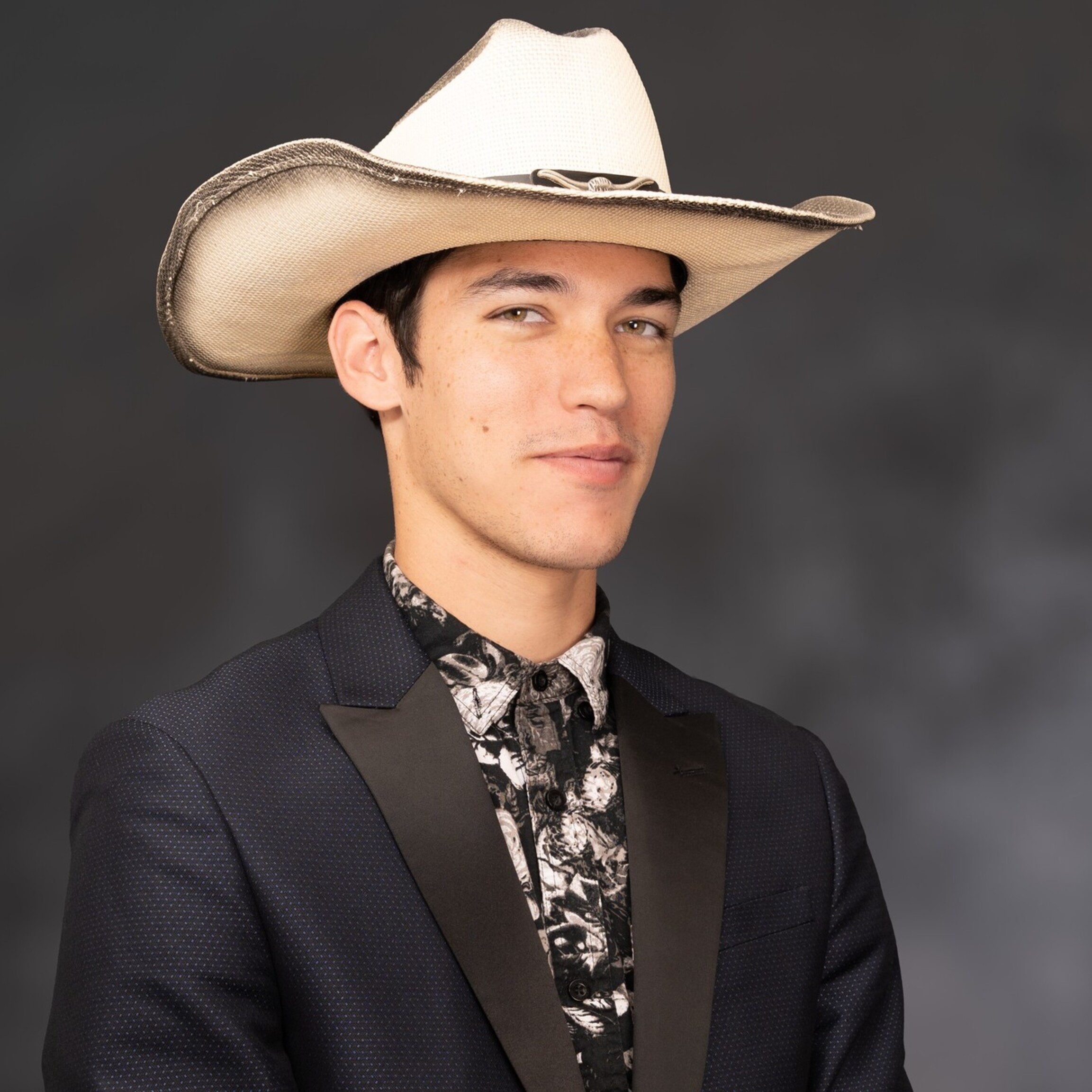
I love those topics. You know, it's deeply intersected to everything we talk about when it comes to mental health, to career, to suicide, depression, all of this. So Dr. Matthew Campbell, so great to have you here to get into this conversation, and could you please tell us a little bit about yourself? Yeah, absolutely.
Thanks for having me. That was a great intro, and, and you really hit, um, on a lot of the things that I have a passion for that I like to, to speak about. But, um, as you said, my name is Matt Campbell. Uh, I am a psychologist, uh, living in Oxford, Mississippi, where I have a practice. I've been practicing for over 20 years, and, you know, I, I came to what we're talking about today through that practice and through years and years of, of working, uh, with clients and finding that so often what we were trying to work on, uh, any number of things, obviously, was so often hampered by not taking care of the foundations of what the human was made for.
And, and as you outlined, those things being getting outside, moving, sleeping well, having meaningful connection with others, and then what we consume. Uh, we live in a very different world than our ancestors, yet we have the same bodies. We have the same, you know, basic needs, and we live in a world that makes that a lot more challenging to attend to these things and to truly appreciate how important they are.
Uh, and so, you know, I talk to people about these are things that are, uh, that we know, uh, but simple does not mean easy, and that's particularly the case in this world we're living in 100%. You know, and I think about just, when we talk about sunlight, it's such a basic thing, yet what's interesting is we have social media and people are so skin conscious.
They put, you know, thousands of lotions on their skin, and they put so much sunblock, and they do all these face masks, you know, clay masks, mud masks, everything else, seaweed masks, cucumber masks . You know, there's... the list goes on and on. Yeah. Right. Yeah, according to a recent podcast guest, Dr. Anthony Sylard, he said that children in the UK get less sunlight exposure than inmates.
And we know that's not just, uh, over there. We know that here in America many people are not outside, and if they are outside, they're on their phone. But we know that people get so minimal sunlight exposure compared to the past, yet we don't see that. We see all this stuff about taking care of our skin, and almost this villainization of sunlight that we've suddenly, we over-villainized it, where now people aren't getting enough sunlight at all.
And I'd love for you to just start with that one in particular because it's, I think, the most simplest one to take care of and the most overlooked, and the least understood. I agree with everything you just said. Um, and I do think it's the one that's the, the most overlooked. I think it's also the one that is the simplest to begin with.
But, y- you know, sunlight, again, we were made for it. We, you know, our ancestors lived outside. They didn't have these climate controlled environments to be in. And so, you know, sleep is often very connected with sunlight. Getting morning sunlight is a tremendous sleep aid. Uh, you know, sunlight helps mood a great deal.
Uh, I think that it's often so overlooked. I live in the deep South, so sunlight is abundant here, and sometimes myself I can find that I don't recognize just how impactful sunlight is. And I was speaking with, uh, two of my sisters who live in Oregon, and they said they are very, very aware of the effects of sunlight on our mood.
Because for them, you know, there's much less opportunity to experience that direct sunlight. And, you know, and what you were mentioning, too, as far as the lotions and the masks and all of these things, I, I don't oppose any of those, to be honest. Yeah, yeah. Many of them are over my head, um, in terms of just how useful or effective they are, but it kind of gets into the hack industry, is that we're always trying to find a shortcut to the things that w- we know a, a healthier approach to in many, many, many cases.
And so, uh, I don't oppose. I'm not, I'm not trying to say those things should- shouldn't be used or there's a problem with them, but I think we invest so much in the hacks and so little in, in the basics that we know are, are essential 100%. You know, I live in a Sunshine State, if not the Sunshine State, so it's been, uh, great.
Well, recently it was a little too hot to wanna get the sunlight, but I'm, I'm thankful for it. I think about, you know, I work from home on my computer, and if it wasn't for my dog, I don't think I would get much sunlight. You know, she's the reason I get outside and, you know, she kinda dictates how long we're out there.
Sometimes too long- Right ... sometimes not long enough. But, uh, now that the weather's cooling down, I'm sitting outside on the patio doing work, and it, it is so much nicer than... I mean, it can be so depressing to be what I would call a, a dark cave dweller, so to speak, sometimes, but I think that's become the norm for a lot of people.
A lot of people, especially with remote work expanding, you know, or working from home, and a lot of people like to get the blackout curtains, and they wanna sleep in late and go to bed early. And like you said, and I've done plenty of episodes too on, as you mentioned, how it helps regulate our sleep cycle.
Like, you know, we were meant to follow a certain circadian rhythm that we sometimes obstruct with artificial light or artificial darkness, and so I think that is really important. So what would be your advice to people? I mean, like, it's pretty simple. We're kinda saying go, uh, go out and get more sunlight.
What does that look like? What is the balance between too much and too little? Well, really what we, what, what I recommend most of the time is 15 minutes, get out there for 15 minutes. We do, I mean, we do, you know, it's a balance with most everything. I heard you in another podcast mentioning, uh, on another topic, finding that balance.
And so we do want to get out there. Once we get past somewhere around 15 minutes of k- uh, you know, sustained sunlight, yeah, then at, I think certainly, um, at that point we want to look into some sunscreen or something to protect ourselves, uh, for certain. So we want to be conscious of the effects of prolonged sunlight.
But 15 minutes or so, get out there. The morning time is the ideal. The morning time is the ideal because it's helping set our circadian rhythm. Uh, y- so, so that's, and that's why it's beneficial for sleep later on. But one of the things you just mentioned that I really like, I, and I share with you that I go out with my dogs, I do every morning.
Uh, they set my schedule there in the morning. They're gonna let me know if I'm missing the walk. But we go out there, we do it, perfect time of day to get it. But, you know, it doesn't need to be that. I, I like it because, uh, you know, I adore my dogs. Yeah. Uh, but I'm also getting outside, I'm starting the day with some movement.
But you can also, a lot of times one of the best behavior change approaches is, is you, you stack things, you connect them. So, for example, many people are gonna have a, a coffee in the morning. Well, why not do that sitting outside if you have a porch, if you have a chair, something like that? And just start your day then with your cup of coffee rather than sitting in, on, you know, inside, uh, probably on a phone.
Um, sitting outside would be so much healthier for you Uh, you know, I, I don't know how to feel about it. You know, we talk about stacking things, you mentioned before the phone. It's funny, you know, I live in a college town, and I don't know how often, uh, it's very often, I should say, that I'm walking around and there will be a college student, sometimes an adult, uh, older than that, but, you know, often have a college student, and they're walking, staring at their phone.
It's, it's- Mm-hmm ... I, I would probably trip over my own two feet, um, if I tried to do both things at once. But, you know, hey, at least they're out there. You know, at least they're outside. I mean, sure, ideally they wouldn't be staring at the phone, but hey, they're outside moving. For sure. You know, I, I mentioned that in a couple episodes now when I was in Japan.
You know, they're not just walking while staring at their phone. They're there scanning their train card and hopping onto a train and, uh- ... you know, also fixing their makeup at the same time. Like, uh, but everyone was a- over their phone, and it, it's so crowded there that they will just bump into you on their phone, you know?
It's, um... And it- it's crazy, like you said, it's here in America too. In fact, uh, I've done plenty of critiques on, I've been behind people who will have their phone mounted right next to their steering wheel, and they're scrolling through reels on social media while driving. And it's become more and more common.
And you know, e- even when just a few years ago when I was younger and my parents were driving, this wasn't the case as much where, you know, you're at a light and it turns green and a person's like, "I gotta finish my text real quick before I turn the corner." I mean, I've had that happen in more and more commonly than not, where...
And y- And it, it's funny 'cause it used to be so many people were aggressive drivers where as soon as that light turned green, it was like they were off, and now it's all like, "Let me finish my text first." And, ugh, it's annoying. But yeah, like you said, I h- I... And I would encourage people, uh, if you can, take a walk with your coffee or whatever it is to do that because we've become such sedentary creatures.
You know, the amount of people having physical issues with their body as well as their mental health because we've become so sedentary, and I, you know, I can't stand it, you know, if I'm sitting too long. And there are times, plenty of times where I've been sitting doing remote work for hours at a time. I mean, just hours, you know, the bathroom being the only thing.
And there I shared that I knew some military gamers who would keep a, a water bottle under their desk, not for drinking, just so they didn't have to get up and use the bathroom. And, uh, you know, we- Wow ... we all, we all had a little intervention on that guy. Uh, he spent three days straight at the desk. Three days straight, did not get up once.
Wow. Wow. Yeah, even slept in a chair. So, you know, we have become a sedentary lifestyle. And obviously that's an outlier, but it's actually more common than you would think. And I know we have the, the treadmill desk and the standing desk and all that, but- Right ... if you have the time, instead of sitting down, if you could go for a stroll, it doesn't have to be a power jog or anything like that, um, you know, it, it would be so great.
And then we talked about With the movement, with the sunlight. We mentioned sleep a few times there, and I'd love to unpack that just a little bit more. We- I've done a couple of sleep expert episodes and, uh, you know, I'm sure we'll talk about how much impact the phone and, and blue light and all this stuff has and- Right
as we put hand-in-hand with the sunlight, a, a rhythm, a proper rhythm. And we know plenty of people have, uh, a very, for lack of better words, a very janked up, you know, routine. A very janky routine and- Right ... uh, as I've mentioned before on this show, our culture has put forward a competition of who sleeps the least is therefore the most successful.
Uh, which is not historically the case, and it's not what our bodies were designed for I, I, I really like-- I, I've heard that as well, is that it's almost, you know, a comparison thing of, oh, I only got this much sleep. And, and I'm-- I think sometimes maybe that's, that's said to, to indicate how hard I work, you know, that, that I'm only doing that.
But sleep is something that is so vitally important for really everything. Mood regulation, anxiety, depression, these things are all linked to, to sleep deficits. And, you know, it's, it-- I, I don't wanna suggest that you don't get sleep and then those things happen. It's, it's a reciprocal back-and-forth relationship.
In other words, a very common symptom of depression, uh, has to do with sleep changes as well as anxiety. So I don't wanna say it's just one direction that this moves, but certainly it's something we can do. To your point, I think you had mentioned earlier, we live in a world where we have things that affect us, uh, that we don't have control over.
Mm. And so that, that's hard. Um, however, there are also, by all means, I encourage people to take care of those things that can help them that they do have control over. Mm-hmm. Sleep is one of those that we can do a lot about. I imagine when you had the experts before on sleep, uh, I don't know if they would put it in the same way, because this is more of a psychological way of putting it, but sleep is primarily about conditioning ourselves.
Mm. And so by conditioning, I'm meaning, like you said, a schedule, a routine. We're getting into a habit to where our body is preparing for sleep, a-as well as preparing for when to get up, because that's part of our circadian rhythm. And if we have consistency, it's gonna make these things easier. But, but sleep is so much about conditioning, not only time-wise.
You know, we focus a lot on time when we go to bed and when we wake up. Wake, wake up probably isn't given enough, uh, enough due, enough thought. But, but certainly, so there's that aspect, but then also the environment around your-- uh, you know, in your bedroom. Things like this have such a, a major impact on sleep and on sleep quality.
No, 100%, you know, and one of the things that any person who has any education in sleep will talk about is sleep hygiene, and that goes into the environment because a lot of people, and, you know, I'm not gonna keep blaming everything on the phone or the remote work, but it has, uh, created this opportunity that people are choosing to work in their bed.
That- Mm-hmm ... the bed is not, uh, people usually put the three S rule, you know, for sex, for sleep, and for sickness. Um, you know, not for social media is not the fourth S that some people wanna cram in there, and- Right ... you know, neither is work, right? Right. But, um, people are doing that. Some people are working in their bed all day or, you know, to use a younger generational term, people talk about bed rotting.
You know, they're just literally in bed all day on their phone. And actually, there are a lot of people who are afraid to get out of bed because, you know, it's their safe spot. It's their comfort zone. If they get out of the bed, they're gonna be exposed to the world, uh, whatever that is. It might be global issues they're seeing on their phone.
It might be, you know, the next-door neighbor that you don't really like. Uh, but you know, it's really important that we create that environment. Like you said, there's some things we won't have control over, and there's plenty that we do, and I think too many people neglect their sleep, and I think there's so much inconsistency.
You know, people are waking up at whatever time or going to bed at whatever time. You know, I've got people who call me, they're going to bed at 1:00 AM or 2:00 AM or 10:00 PM, and it's never the same. You know, it's kind of whenever I am done doing what I'm doing. And I think like you said, and we both agreed that people are equating not sleeping to working.
And one thing you mentioned as well is you can be working, um, and not sleeping, but there's also a part in time where it comes to what is the quality of that work? How is the lack of sleep affecting the quality of your output? Um, and, and again, your mood, and your mood and how is that affecting your work?
How is it affecting your connection with others and all of that? I really wanna mention as I'm listening to you, I hope people take in what you just said. Uh, what you said is, is fairly dense with information that's really, really positive, and it's great to hear someone mention. Uh, you know, beginning with when you were talking about the three S's, th- th- that's so great.
That's... You know, that concept is something that I encourage so much, and it's great to hear someone so aware of that. That has to do with conditioning. It really does. Because you want the bed to be associated with those things. You want subconsciously for you to associate that bed primarily, uh, with sleep.
And so that helps us so much. It's, in fact, one of the reasons there's a great, uh, treatment, uh, for insomnia. It's CBTI, cognitive behavioral therapy for insomnia. Mm. Yeah. One of the things within that approach is, in fact, if I'm in bed, and I'm in that restless place, maybe even agitated, irritated 'cause I can't fall asleep, if it- it's that way for about 15 minutes, get out of bed.
Yeah. Okay? Get out of bed for a bit. Don't go do the dishes or something useful, um, or things overly stimulating like a phone, a TV. Uh, but do that until your body, "Okay, I'm fatigued, I'm ready to go back to bed," because we don't want the bed associated with that frustration and that restlessness. So absolutely, absolutely what you're saying is really, really on point in terms of that's one more thing that's important.
I, I would also say this, and sometimes I think maybe this is why it, things can fall on deaf ears, is that these things are so vital, and ideally we would all do them. They're just particularly important for those of us who weren't blessed with the ability to easily fall asleep , you know, and to get up well.
Right. It's just particularly important for those of us in that category. I know for myself, sleep is the one thing, uh, that I talk about, uh, with pri- our Primal 5 that is the most challenging for me. So I need to be really attentive to these things. I have a buddy who, God bless him, that guy can drink a cup of coffee and fall asleep, you know?
That is- Right ... not within the rules, you know, the, what we try to encourage for health. It's just some people are blessed. But I do wanna mention one caveat to that. Mm. One of the things that I've noticed with sleep over time is I'll be speaking with someone, and it's part of the in- intake initial meeting, uh, with a client coming in is...
And one of the things I'll go over, of course, is, is how is your sleep. And very often people will say, "Well, you know, I get four, I get five, I get six hours of sleep, but that works for me. I don't need much sleep." There are some people who don't require as much sleep, but there aren't many. And I think so often people have become accustomed to being depleted with sleep that drinking coffee throughout the day, to them, that's normal.
That's what you do. It's become their normal. And, and with many of the things that I talk about, that is the problem, is that we're so accustomed to depletion, and, and of course we are our basis of comparison, this is how I feel, that we don't realize the actual depletion that's going on because it's become our normal 100%.
You know, Tien Wong has been a guest on our show multiple times. She wrote the book Next Decade Body, and she talked about that especially for mothers, especially for mothers with families. You know, they're used to running on what they eventually normalize as this level of energy, this level, uh, of lack of sleep.
This is our normal, this is healthy. Right. And then when you take them into whether you, uh, you counsel with them as a client or you get them into a new routine, and then it's like, "Whoa, this is how I could be feeling all the time? This is the level of performance I'm supposed to be at?" And I think like you said, not only that, not only is it what do we normalize with ourselves, but a lot of us, especially, uh, the younger we are, we try to compete or compare or be at the same as people around us.
So if, you know, little Timmy only needs four hours of sleep, well then, me too. You know, I don't wanna be needing more sleep than little Timmy or whoever it is, right? So I think a lot of it too is comparison culture, which again, social media has brought the comparison culture outside of just our in-person community to around the world.
So now we're seeing people who are performing on... And it, it's funny, you know, because, um, when I was in Japan, there's, there's a huge, uh, sleepless culture over there, and there's a huge, you know, I, I don't wanna say flexing, but, uh, that's kind of what it is of, uh, you know, "I work so much that I sleep at the office," or, "I sleep on the train because I work so hard."
You know, uh, and, and social media has brought that from all parts of the world to now comparing to each other and, you know, who can do what physical fitness competition at what level. And I, I think that normalization is just being compounded in these echo chambers of social media and our personal community as well.
You look at the military as a great example. I remember serving. I w- I, I rarely ever... I, I don't drink coffee at all, and I rarely if ever do energy drinks, and if I do, I take about three sips and then I throw out the can. I know, it's a waste. But I'm very anti-caffeine. I've done caffeine addiction episodes and stuff and, you know, our bodies don't need caffeine.
You know, they were created to work as they work. You know, it is actually the abuse of our bodies that makes us need caffeine, which is, uh, you know... Again, there's a natural healthy amount. What we have in, I'm not gonna name any brands, but in energy drinks and coffee is a, a very highly concentrated unnatural version of it.
And in the military culture you have a competition of who had the most energy drinks today and then still has their kidney and heart intact, you know? There were people, "I had seven today." You know, then some guy would show up, "Well, I had seven and a half." And then some guy shows up, he's like, "I had eight.
You know, I've been standing watch all night, and I just, I just... They don't even affect me. I just throw them back for fun." You know? There's this- Right ... so your environment can play a huge, um, part in what is compounding and, and normalizing. Yeah. And, and kind of the funny irony with that one, you know, that example of someone who said, "It doesn't even affect me," well, that indicates an addiction.
Um, if that, if that level doesn't affect you, then, then it is an addiction. But within most all of this, I think what's required is some humility. Mm. Um, some humility that we are humans, and, you know, the specialness that we often seem to want to crave in terms of these things, I get it. I get... I, I actually love competitive folks.
Uh, I grew up in a competitive family. I love competitive people. I love being around competitive people. I think it's really great. Uh, it's, it's kind of my comfort zone. But I also think that there needs to be an aspect within all of us of humility, of realizing I am a human, a human has certain needs within, you know, our bodies and what they're made for.
And, you know, I can be and seek sp- you know, being special, being unique, achieving well in other areas, but we do know these are the basics. These are what humans are made for, and we're actually gonna be able to do those other things better when we're attending to these 100%. It is not a flex to say, "Oh, I've drank the least water today," but there are people who want to flex that, like you said.
And, you know, I think, um, also with that humility comes not villainizing or belittling people for attending to those basic needs. So if someone says that they got six or seven or eight or nine hours of sleep, uh, the common response is, "Must be nice," or, "Good for you"- Right. Yeah ... or, you know, "I don't need that."
Well, we have this culture of kind of making people feel bad for attending their basic needs. You know, if, if I say, you know, "I got 15 minutes of sunlight today," they... Those, you know, it's gonna be the same thing. Now, I wish I could leave my house, but I'm, I'm chained to my desk, you know? Right. And there is this culture, like you said, that, that humility, and I...
But we understand the need to feel special. Uh, but I'll tell you what, if your specialness is that you had eight energy drinks... We had a guy in the military, you know, we, we do, um, mandatory drug sampling and stuff, and this guy walks by with his urine sample in the cup and it's brown. It's brown- Yeah
because all he does is drink, uh, soda and energy drinks, and I mean, it horrified us, to be honest. I, I... My jaw kind of dropped open a little bit. Yeah. It's just dark brown liquid, and he was like, "Yeah, I'm a, I'm a gamer, you know, and, uh, number one in Rocket League," whatever he was saying. And, uh, but that's not a flex.
Uh, you know, that is just, um, honestly concerning. We were all really worried about him. Uh, but you know, there are people who would probably ask to take that home and, and, and, you know, put it on the wall as a trophy, you know? But- Yeah, complete dehydration. That, that's not a flex. Yeah. Yeah. And you know, we talked about...
So this is all interconnected. We talked about the sleep, the sunlight, uh, even the movement. We talked about that sedentary lifestyle. Yeah. I wanna move beyond those physical things to the more emotional and social things, talking about, like, connection and the media and all that kinds of stuff, how that plays into a role and what those basic foundational needs look like.
Right. Right. We are social creatures. We, we are social creatures, and we are meant to be connected with others. That's just part of the human. Uh, we are... We don't survive alone. The lone wolf doesn't survive alone, and so a- as pack animals, as, you know, humans, we need to have that. But loneliness is an epidemic, uh, certainly in our country.
There's a white paper on it actually about the loneliness epidemic, is that the numbers suggest that half or more, uh, of people report being alone. That's just not the way we're made. That's not what we're made for, and we have a lot of things that... You know, you mentioned the comparison culture. I would, I would speak to the convenience culture- Mm-hmm
is that we have become a, a culture where everything is focused upon convenience, uh, the easy button, so to speak, and that is one of the things that can move us further and further away from meaningful social connection. By meaningful I wanna be clear. The way- Yeah, please do ... I define meaningful connection is that that relationship, time with that person is the end.
That is what we're doing it for, right? It's not a means to an end. It's not I'm doing this thing with this person because it will help me with this. It's not I'm speaking with a coworker about the work we're doing. Uh, that has a different function. That has a different purpose. But if I am with that person simply because I enjoy, it's, it's enjoyable, it's meaningful, that is the kind of connection that I'm talking about.
So it's not just I'm around a human. Al- although that's good. You know, there's benefit to that. The kind of connection I'm talking about is that it is the reason we're doing it, is the time with the person I agree 100%. You know, it's so surface level. You know, I talk about this all the time with social media culture.
You know, "Oh, I've got 1,000 followers," and, you know, I, I dare say, uh, half of them don't know your name. You know, they know- Wow ... your username. And- Right ... you know, we talk about they like this post or they, you know, shared it or whatever, and I guarantee you I could bring up a post of mine that someone liked and they couldn't tell you what the content was.
They just liked it because they saw my name attached to it, you know? Right. They're not consuming the content, uh, or time with me, and I, I think that's huge, and it's really ironic. You know, I've done a couple episodes on loneliness, looking at different parts of the world and what it means, how it affects us.
This is the first episode where I thought of the irony. We have more people... I don't think the population's ever been greater than this moment in time, yet we have the loneliest. And, and it, it, it's, it's ironic. We have more people than ever before, more people we could connect with than ever before, yet we're the loneliest we've ever been, you know?
Uh, not just in America, but around the world there are so many reports about it. And not only do we have the most people that have ever physically existed on this planet, we also have the most tools of interconnection that we've ever had. Right. Other than, you know, chips in our brains and we can communicate, you know, telekinetically, I don't think we could get any closer than this and more interconnected, yet we're lonelier.
And like you said, I love the word convenience culture. Uh, and, and, you know, I was just at a business conference, and we talk about the relationships there. People you've seen throughout the years, we connect with. People I've podcasted with who, after the call, guess what? We still talk. We text. We, you know, meet up, right?
It's not just this word that we heard at the conference, you know, don't be transactional people. You know, people aren't- Yeah ... transactions. They're not. Wow. But we have that. We see that. You know, I would dare even say there are plenty of people in the social media and business world who collaborate not because of who you are but because of what you can bring to them- Right
you know, based off your following and stuff, and- Sure ... I tell you what. I, I mean, there are plenty of... I have learned some discernment with that. You know, when I first got into podcasting and going to conferences, it's hard to tell sometimes, but, uh, it slowly gets easier and easier to tell who values people as people, as meaningful connections, and who's being transactional or surface level.
And I guess with this conversation, you know, it can sound very negative to look at how much of connection we are missing, so what, what is the fix? How do we get back to this connection? What do we as parents and educators put forward? What do we as people try to live out in our lives? I think it's... I think it- at the end of the day, I, I'm a big believer that motivation is overrated, um, over-relied upon, and I think that a lot of times- 100%
people, you know, it's like we feel like we need to have a pep talk with people. We need to kind of really get them moving. If we are relying on that feeling of excitement and motivation, we're setting ourselves, we're setting other people up for failure because like any emotion, motivation will fade. And if that's what I'm baking, uh, banking on is to feel that feeling in order to engage in this action, this behavior, it's gonna be extremely difficult to maintain that.
So I'm saying that, uh, to get back to your question, I'm saying that because so much of this we have to experience, and we need to experience it, uh, with some repetition. Many of these things are difficult to do. These things that we're talking about are difficult to do because in the short term, we don't necessarily experience the consequence of it.
Mm. It's what accumulates, right? And so if I have a day or two where I, I, I haven't had much time of interacting with someone I really care about or, or really feel connected to, we're probably gonna be okay. It's when it starts stacking and stacking and stacking, that's where the difficulties come in. And so I think that we need to experience it.
I need to set a short-term goal. I, I'm gonna reach out each day. I'm gonna reach out each day, uh, to someone I care about, or I'm gonna try to plan to have lunch or take a walk with or, you know, do some activity perhaps with someone I really enjoy. Or I'm gonna... Maybe I don't have that in my life right now, you know, so I'm gonna try to maybe something that I'm interested in.
Uh, if there's a group that does it, I'm gonna try to do that kind of a thing. But I'm gonna try, uh, to make that a priority. That's gonna be my... Each day, I'm gonna try to do something towards that. When that starts accumulating, that's when we really notice it. Now, I will say this: Of all the things that I, that I, I encourage so much, I will say that social connection, meaningful connection, it does have the quickest payoff.
It does seem- Yeah ... to have the quickest turnaround for people in terms of benefit they receive. Sleep, it, it helps. It's relatively quick. Sunlight, it takes a little bit. Um, movement, you know, we all know that with movement, if we've been really sedentary, uh, you know, there's a, there's g- there's just naturally gonna be a little discomfort.
I mean, we're gonna feel better- Mm-hmm ... with a little discomfort, but, but social does have the, the quickest, quickest experience of benefit. Right, and I think, you know, the whole talk about motivation is really important when it comes to social connection. You look at, uh, you know, I'm an athlete, I'm big into gym culture and competing and, you know, listening to people, and, you know, we always put forward it's about discipline, not mindset.
Because motivation can fade, like you said, and it can be crushed by something that is difficult, whereas discipline says, "Hey, even if I don't wanna do this, I have to do this." And social connection definitely falls into that same category of there's gonna be hardships. You know, connecting with people isn't easy, especially if you've been out of practice or haven't had, or whatever factors are affecting your social connection abilities.
You know, also just relationships are hard. You know, there are times of miscommunication, of misunderstanding, of- Sure ... you know, just emotional difficulties. And so social connection, you know, it can't just be I'm motivated to meet some people. Oh, you know, I, I went to this social event. I didn't really get to meet anyone, or I had issue.
That's it. I, I'm done. You know, it's saying, "Hey, it, this one didn't go too well, but I gotta go to the next one and, and try again." You know, I think dis- discipline is really a huge factor into that because, like you said, that motivation, uh, cannot get you all the way through every hardship, which relationships and social connection can be extremely difficult, uh, especially if you're just getting back into it, especially if you're dealing with other parts of your mental health that are being affected by everything we're talking about.
Now, before we get any further, I wanna take a step back. You know, I was excited. We jumped right into it, but we didn't really get your backstory on why you're doing this, especially what got you into this particular direction of work, and I wanna just break that down a little bit more for everyone. Sure.
A- a- and so it, it was something that for so long I just kept seeing this pattern of difficulty. So when we're doing, uh, you know, psychologist and when we meet with people, we're going over not only what are they coming in for, what, what is a struggle right now, but also I wanna know background. I wanna know background information on your history, your life, but then I also wanna know better what does day-to-day look like for you?
And so I kept finding that... A- and my, my client population is, is quite similar, um, to, uh, what I see as the national averages when I look at numbers- Hmm ... is that of these things, sleep, sunlight, movement, meaningful connection, um, as well as what we consume physically and mentally. When w- I was looking at it and speaking with people, I was finding that, uh, two or more were usually really deficient.
And, and then I started to focus on it and, and when I was working with people, and I'm sure my clients have been sick of that. In fact, some of my clients when we do our check-in, they will kind of go through these things of, "I'm struggling with this," of them and, and so on and so forth, because it is so reflective of how they're functioning overall.
Now, I, I don't pretend that these are just the cure for everything, but I will say this: They are the foundation. If we're not- Doing well with most of these, it's gonna be really difficult to do well overall. That's why I say it's the foundation. If we're on a shaky foundation, eh, it's gonna be pretty tough to get where we wanna go.
And so that's what I was just finding so repetitively. And the other thing that was so fun for me, fulfilling for me about it, is how responsive my clients were to it, how responsive they were to this focus, and I think it's because it's something, again, under our control. It's something that is straightforward and has a huge payoff.
And so that's one of the things, and so I had this increasing, you know, passion that I had for it, and I've wanted to, you know, put these thoughts and these ideas down, and I've, and I've had that motivation. There are other things that I've wanted to write about, but I had a, a guy who was doing a practicum with me.
So this was someone who was in the PhD program here, um, in Oxford at Ole Miss. And so he was... And, and this guy, his name's Josh Semco. He is a superstar. I mean, super smart, motivated, very engaging guy. He has since gotten his PhD. He's out in Palo Alto right now working at a VA. So when I was working with Josh and I was talking about this, he's like, "Hey, I, I, I'll help.
You know, I'm on board." And so, you know, he was my person to, uh, you know, look over what I'd written, offer some new ideas, you know, in terms of how to frame things and how to put them. That was really helpful. And, and then, you know, I, I, in addition to doing a workbook, I also developed an app that was just released and, you know, the idea of that is something to give immediate feedback.
Uh, having people that we do it with, and we're kind of seeing, you know, let's use that competitiveness, uh, let's compete on being healthy is, is kind of the idea or be accountable to friends. So that, that's where it comes from. It's just a passion, uh, to, to have people focus on the things that we absolutely know matter.
Right. And now that workbook you're talking about, that's the Our Primal 5- Yes ... uh, workbook, correct? It is. Our Primal 5 workbook, and it... What that does is it's going over week by week each area. Uh, uh, I- it's a workbook because over time what I have found is, or what I think I've found, is that the modal number of self-help books that people have are either zero or over 20 because- Right.
Right ... either they have no interest in it, or it becomes intellectual curiosity. It becomes, "Oh, that idea is neat," or, "That's interesting," and I talk to people about it, and that's great. Okay? But if we don't apply them, they're not really worth a whole lot. Mm. And so that's why it's a workbook. It's like, okay, this week I'm going over these things, and so it, it gives information on behavior change techniques, a way to structure it, create short-term goals for each of these.
You know, and people can use it however they want. They don't need to go, uh, in order of the chapters, but... I mean, they can, but if there's something that particularly for them is difficult, uh, they can jump into that, um, and, and see, okay, how does this have an effect on humans? Um, what are things that I can do to help myself change it?
And then I'm, I'm, I'm writing it down. I'm actively engaged, um, with the material each week. Right, and then you mentioned an app as well, and that's also called Our Primal 5? Yeah. And, and so the app is also Our Primal 5, and so with the app, what it's doing is each day you're recording these different things because so often, uh, we're not aware.
You know, so often we're not aware of how much we're doing, how often we're doing these things, you know, how often... You mentioned it earlier with the guy who was the gamer. You know, h- are we drinking an adequate amount of water? Because I think that people aren't aware of, of where they have- Yeah ... deficits.
That's one thing. And then I also don't know that people always know what is the recommended amount. What, what has the research found that's beneficial? So cut across, you know, these different things, it gives you a score, kind of an intuitively created score for each day, both, uh, within each of the areas, but then an overall score.
So we're giving ourselves a measuring stick and, and something to let us know how we're doing. Uh, gives behavior change tips, um, you know, on it. And then, you know, one of the things I really love about it- Is, is, it's called the, your tribe, and so it's, it's the people with whom you can kind of... You're entering your information, they're entering theirs.
You can decide how much information you want them to be able to access from, from what you have. But now I have someone else, you know? Kind of like a, what, how an exercise buddy is so great, you know? How that's such a benefit to have someone we're doing it with, not just for the social aspect, but the, you know, accountability aspect.
Right. And yeah, that's what the app does, and, and one of the reasons that I, I really wanted to do that is that we don't get the immediate feedback often with these things that can make it difficult, you know? I can have a bad night of sleep. I'd probably be pretty functional the next day. The problem becomes when I stack those- Really interesting
one day after the other. And so this is, uh, an attempt to, to try to provide some immediate feedback. I had one person say it's a gamifying, um- Mm. ... you know, the, this foundational self-care. Hey, that's great by me. Uh, if that, if that helps some people, if that works, right on. Let's do it. 100%. Well, Dr. Campbell, we're gonna have, you know, the app and the workbook in the description below for people to check out as well as, you know, all that information.
I think this has been a great conversation. You know, getting back to the basics, which have become such an abstract concept for us, you know? You talk about tracking, and I think about how many people are tracking their followers, their likes, you know, their lack of sleep, how many energy drinks they had. I bet you I couldn't ask a single per- Maybe you.
You might be the only person I could ask. How much sunlight did you get today? Sure. Yeah. You'll say 17.56. You know like, you know? Uh, but people aren't tracking that. And, and what I'll say real quick, uh, before we close, with tracking is understanding the numbers and applying them, right? I mean, so many people track their sleep, and they have all these numbers about their heart rate, how many steps they did, their sleep, but they're not understanding it or applying it, and I think that's so important, like you said, applying this knowledge.
It's not just gathering it and, you know, saying it. Uh, what does it actually mean? And, and so I hope this app and this workbook will help people to track and apply, and I hope that this conversation has really impacted people because we, we often overlook these things. We normalize how much sunlight we're getting or lack thereof, how much sleep or lack thereof, our social connection, and, um, you know, whether how deep it is or not.
So thank you for bringing back to light these things that, like you said, have historically for decades or centuries been important, and we've kind of just slowly shifted them in a, in a way that we don't even realize anymore. So thank you for bringing awareness to this. Absolutely. Thanks, thanks for letting me come in here and talk about it.
I appreciate it.