Episode Transcript
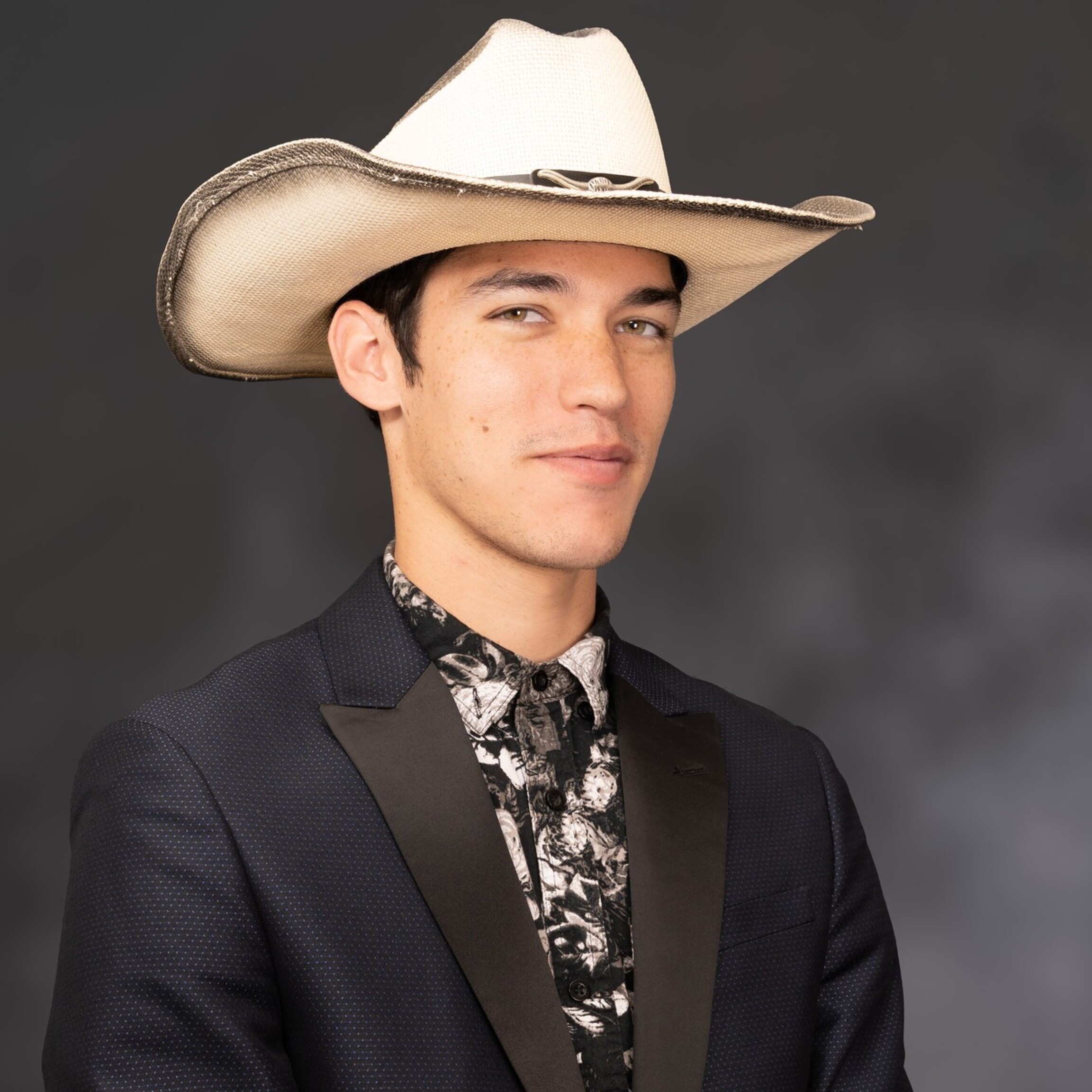
<p><!--block--> Ladies and gentlemen, welcome back to another episode of Couple O' Nukes. As always, I'm your host, Mr. Whiskey, but this is such a great honor, my third in-person international interview. I'm super excited for this, to go to another country and meet people from all over the world, and to get to talk to them about so many different things. It's amazing. I am here with Matthew Yarde, an award-winning speaker, a US military veteran, and just a, a really nice guy. So great to be here with him. I, uh... We had some GPS mishaps, and we had to run around outside before this, so pardon our, uh, Americanness, but, uh, great to be here, Mr. Yarde. Like I said, I've met you a few times now, and finally got you on camera, got you on the microphone. Mm. Uh, you know, no editing, no retakes. Say everything perfectly the first time. Right. Go ahead and introduce yourself. Well, okay, great. ... My name is Matthew Yarde. I'm a Air Force veteran. I've spent about 10 years in the Air Force. I'm married. Uh- Happily ... happily married, definitely. I have three daughters. I'm currently working for the federal government as a cybersecurity manager. And happy to be here. Of course, you know, and being a girl dad in Japan, it's probably the easiest place to be a girl dad. With all the kawaii stuff everywhere, it's pretty easy to keep your daughter happy and entertained. I mean, everything in Japan, not everything, but most things are designed to be cute and feminine and, you know, when it comes to buying backpack accessories, clothing, jewelry, all that stuff should be pretty easy, or you're still learning it all out? I would say yes. Yes. The, in that aspect, the environment that we are living in currently, it does make it a bit easier to cater to their needs- Right as opposed to if I had a boy. But having a girl comes with its own challenges. Of course. And me being the only male presence- ... in my family, my immediate family, it comes with some headaches that, not many men can, can relate to. Right. Right. And if I'm not mistaken, you have a teenage daughter, so that's at, at most, a turning point in life- Yes as, as we've mentioned and- Yes ... I wanna take a step back. I guess we're getting right into it. And I will say, between Godzilla, Gundam, Ultraman, it's great to be a guy here too. You know? Mm-hmm. It's just great to be, any kid here. There's so many things to buy and entertainment. But not only are you the only man, but I know, I'll spoil it for everyone listening, you're in an interracial relationship with a very different culture than America. Mm-hmm. And then, when you talk about the male presence in your family, you have, in your immediate family, is there Japanese male presence that is very different from maybe how, I don't wanna say how you wanna parent, because, you know, they shouldn't be parenting your kids, but is there an influence or tension there? So I guess you're talking about my in-laws. Yes, yes, yes. We don't use that word around here. The, the trigger word. It might trigger some people. Right. But yeah, the in-laws. I would say no. Me and my wife, we have autonomy when it comes to how we- Mm ... how we raise our children. The relationship between my wife and her father is- I guess the word, the best word you could, you could think of is strained. Right. There has been a lot of, A lot of, tension- Mm. Mm ... between my wife, my father-in-law, and my brother-in-law. He, my brother-in-law, he's dealt with a lot of mental issues- Mm ... quite frankly, probably because of the environment that, they, he grew up in. And- Right ... and, my wife, thankfully, She was able to come out of her childhood a lot more well-adjusted, than her sibling. But that doesn't take away from the fact that her father and her do not see eye to eye on many, many, many different things and, Her being away from the family for so long. Because after college she started working in Tokyo for two years, and then that's when I met her. And then after that we left Japan, and we've been away from Japan for the past, well, barring the last three years, we were away for- Right ... almost, I think about 13 years. Mm-hmm. They do have conversations regularly over the phone and through video teleconferencing. Right. But his opinion does not come into play when- Mm. Mm-hmm ... how we take care of our children, and then how, and how we do what we need to do to make sure that they're raised right. Right. And you talk about already strained relationship. Did her coming home with an American man play any role in further straining that? What have you found? Because I know, Japan is kind of divided on that subject. You know, there's plenty of people who say, "Hey, we're happy for you," and there's plenty of parents who are like, "No." Just, "Ie. Chiga," you know? So, so, so at first, yes, it did cause some... It was, there was an issue with her deciding to marry me, 'cause he didn't meet me until, we decided to get married. And- But it wasn't after? It was kind of like when the announcement was made? Yeah. Okay. Yeah. And, he had an issue with me, but I believe from the conversations that I've had with my wife, I believe that after we had our first child and he saw that, we were thriving as a family- Right His opinion changed. I think what the main reason why it was a problem for her to marry me was because she was going to be quitting her job as a- Mm-hmm ... as a construction manager. She has her master's in, architecture. Mm-hmm. And he viewed it as a waste- Right ... of the hard work that she put in, during her school years to- Right, of course to achieve the things that, she wanted to in her career. Looking at, back at it now from, this is the opinion of my wife, she feels that she probably made a mistake when it comes to the major that she chose. Because it was something that it, that was not, um- Very transferable? Yes. Yeah. Something that you couldn't take with you and translate it to, a regular career in any country. What was it? 'Cause you mentioned construction management. Is that the degree itself? No, no. She was like a construction manager. Okay. That was like her job title. Right. But she had her degree in architecture. And I believe, her duties as a construction manager was she would, manage the actual, workers who- Mm who did the hands-on work when it comes to, building- Right ... a structure. Her company focused on, commercial buildings- Right ... that was in downtown Tokyo. So- But they're building buildings in every part of the world. Yeah. Yes. So, I mean, I feel like it shouldn't be too hard for her to get a job. That is true. But- Like, when y- when y'all came to the States... But if I remember from our conversation, when you came to the States, it was a weird time. It was the happening of COVID. Yes. Yeah. So I'm sure the construction world was deeply impacted by that just as much as anything. For sure, for sure. It's just the, the construction, uh- Or is it non-internationally transferable? Yeah, because it, there's so many different rules and regulations that are specific to Japan that don't really translate to a place like the United States. Because, you know- It's probably easier to make a building in the US, to be honest , you know? Maybe. I, I- ... I, I don't know all the ins and outs of- Right, right of, of construction. But I do know that, they build buildings in Japan to withstand, earthquakes. So- Right ... tsunamis ... tsunamis. There's a- Right ... Attack on Titan, the occurrence, you know, any of that kind of stuff. Who knows, who knows? Yeah. Godzilla. Yeah, there's a lot more- Yeah, Eren Yeager could be right around the corner supernatural phenomena in Japan- ... than America, yeah. So they, they build their buildings, quite differently with different materials. And- Mm ... there's architectural licenses that you can have in Japan that most likely would not apply- Mm ... in the States. She would have to start all over again. Right. So she does feel a little regret on the path that she chose- Right but she is overall content- Mm ... I believe, with the position that we are at right now with our family. And with my job, she has the freedom to work or not work. Right. And There's not a lot stopping her from, you know, achieving whatever dreams that she wants to. She just has to, you know, apply herself. Right. So let's definitely backtrack 'cause we're, we've addressed, you know, being in an interracial relationship a little bit, but- Mm ... what brought you to Japan? You talked about United States military, so let's go back to really why you even joined the military in the first place. So I j- I joined, I joined the Air Force... Well, okay I knew I was gonna join the military It was an accident? It was an accident. Yeah, you just- No. Yeah, okay. You're making it seem like- It was- um ... some kind of story there. Yeah, there's a, there's a bit of a story. So- Yeah, you can, you can start by telling us all the different recruiting offices you went to. You know, in most cases, like, a lot of people who were in the Navy, they said, the Air Force recruiting office was closed- Oh, yeah ... so we came here. Yeah. They said, "Every time we try to join, the Air Force was closed, so we ended up in the Navy- Mm ... 'cause that also had planes and was the best next thing." Mm-hmm. Top Gun: Maverick, you know? Uh, yeah. So- So I don't know if you went Marines first and you were like, "Never mind," you know? So yeah, that's almost exactly what happened, but to backtrack, I already knew I was gonna join the military, um, sometime I wanna say- When you were born. Not when I was born. You were born saluting the doctor. Yeah. They said- ... "Oh, sign him up already." Yeah, right. Um- When you sign the birth certificate, here's a contract for United States government and military. You know, just sign it now ahead of time. When he turns 17, he can just add on his signature. Right, right, right. You know, you get a birthday card. What's this? Oh, just sign it, son. Okay. The gift that keeps on giving. Yep. But it was right after my freshman year of high school. My mother, she just died of cancer, and I decided I wanted to join the football team. Mm. And I found that, you know, it was very fulfilling to me. It helped me, to, process my emotions when it came to the grieving process, and I was able to make a lot of great friends on the football team in high school. And- I liked that feeling and after high school, I wanted to be a part of something- Oh, okay ... bigger than myself. Right, the camaraderie, the- Yes ... the teamwork, the- Yes ... yeah. And I thought that the military would be a great environment for me. I also, after doing a lot of research, I also wanted to have a great avenue to build my job skills. I felt that the college atmosphere, when I thought about college, I thought about Animal House and I thought about all the different college movies I've seen and- Right, right ... that, that didn't appeal to me. And I didn't feel that, it would be the type of environment that would- Benefit me overall in my life to get to where I wanna be. Mm, mm. I also wanted to travel the world and I knew that was a great option, being a part of the military to see different, countries and meet different people. And behind all that, um- Here it comes ... I, yes. I, I did want to serve my country. Oh, okay. Never mind. I thought you were about to say, "I wanted that international bride," so No, no. That was the first- You started smirking, so I thought it was, uh That was the- Oh ... f- I did was not thinking about getting married at all. Yeah. So- Went to the Marine recruiter. I thought, you know, you get sucked into those commercials and all. Right, and I mean, have you ever seen a Navy guy throw a football? I mean- Right. And I was like, "Yo, that's really prestigious." And so I went to the Marines, and they're like, "Yeah, we'll take you." Did my ASVAB, got like a really, really high score, and like, wow. You're too smart to be a Marine. Yeah. Um- You gotta join the Air Force ... we probably gonna put you in intel. I was like, "Oh, okay. Cool." So I had my dates. I went to MEPS. Oh, wow. And I, raised my right hand. Did the duck waddle. Yep. Did the vow. And I had my date set to go. Right. And then that is when my uncle called me. Mm. See, when I decided to join, I didn't tell many people. I only told my dad, and I think my sister. That's pretty much it. Right. My uncle called me because my dad told my grandmother, and then my grandmother told my uncle. Right, so it started to spread around. Yes. And he spent I think six or eight years, I forget how many, in the Marines. Right. And- So former Marine. Yeah. And he talked with me on the phone, I wanna say it was- Talked you out of it, it sounds like. It was a, it was a couple of hours- Right ... that we were talking, and it was a series of a lot of talks that ultimately made me decide to not join. So- Mm ... I went back to the recruiter. They were really, really pissed. Right. But I stayed firm in my decision, and then they said, "Okay." That's true. True. Thanks for wasting our time. Yeah. I had a bonus lined up. Right, so- Already bought a new car for my wife. Now I can't pay it, you know? But I wanna ask you a question that I reflect on myself. Mm-hmm. You know, sometimes a lot of former military members have a very biased opinion. They can negativity vomit on you. Do you feel like having now served, obviously it's a different branch, but do you feel like maybe your uncle did you a little wrong? I think there, there's definitely... Whatever you said, I'm sure there was truth to it. Mm-hmm. I haven't served, I understand that. But I do think sometimes we can be a little very negatively biased, and forget that- Mm-hmm everyone's experience in military has different potential and opportunities- Yeah ... especially generationally. So do you feel like, do you, have you ever reflected back on it and been like, "Wow, you know, my, my uncle was kind of, kinda exaggerating a little bit"? Mm. Or do you feel like, "No, he saved me. I'm glad I didn't go Marines," or...? 100% I'm glad I didn't go in the Marines. Okay. Because Fast forwarding a little bit, well, a lot of it, um, we, uh- You've worked with them? I've worked with the Marines. Okay. My job before I started working here in Yokosuka was I was working at a base called, Marine Corps Air Station Iwakuni. Mm-hmm. And I was working with the Marines, and I was working- So you still are ... with, one of the young, forget what it was, rank, some sergeants. And listening to him and all the things that he has to go through, and thinking- It's like verbatim what your uncle said. Worse, worse. Mm-hmm. And I know that it was probably even worse back when I Right was going to join up, which was like, when did I, I joined, so 2003? No, 2004 I was gonna join the Marines. So- So still that time of tension in America, and you know- Yeah ... all the- Yeah ... yeah. I probably would've ended up- Probably would've ended up in Iraq Not in Japan. Yeah. Yeah. My first, actually my first duty station was Turkey. But after I told them, I decided that I was going to join the Air Force on the advisement of my uncle. But the Marines, they had to trans- Since I did all my paperwork, were ready to join, they had to transfer- Oh, man my paperwork- Yeah ... to the Air Force. And since I decided I wasn't gonna join with them, they took their sweet time, so. Right. Right. Of course. I was stuck in limbo for about eight, eight to 10 months. Wow. So. Oh, they really took their time with that. Yeah, yeah. And so all I did was just, while I was living in New York, I was like a security guard working at different, gaps all over New York, New York. Right. Right. Whoa. And just waiting. Yeah. That's... And the Navy is the one that's official rank is petty officer, but it sounds like you had some petty officers, you know? Yeah, yeah. Um- Real petty. I totally get that. What's so interesting is I had a guy on my podcast once. Mm-hmm. And I said, "Why did you join the Air Force?" He goes, "I did something very few people do. I went to a VA hospital, and I just interviewed all the old vets sitting there. If you had to re-enlist as a different branch or the same branch, what would you do?" And he said 95% of people from Marines, Navy, Army, all said, "Man, I would've joined the Air Force if I was going back in. If I knew what I knew now." And so it's so funny that you say that, that so many people were like, "Hey, you know, I'm gonna go Air Force." I originally was going Air Force. I had the paperworks, you know, filled out. The day before I go to MEPS- Mm ... recruiter called me, "About that job, uh, we're not gonna give you that billet." Mm. "You're not gonna do photojournalism. We, we like your ASVAB score, we want you to be a cryptolinguist." Mm. "Yeah. And we wanna, you know, teach you another language, and you're gonna translate stuff. You might spend 14 hours a day in a plane. Isn't that awesome?" I'd never been in a plane in my life- Mm ... let alone 14 hours a day in a plane. That sounds terrible. I don't know what kind of... Why would you even say that as an incentive? Like, you know, 'cause my dad was trying to convince me Air Force. He goes, "Listen, I went to Air Force base. They had unlimited soft serve ice cream. They had beer." He, he was like, "Listen, you gotta go Air Force, man. They, they got soft serve ice cream and beer." Green incentives, right. Yeah. Chair force as, as you know the Navy calls it- Mm ... and stuff like that. And a lot of people do regret not going that branch, so I totally get that. 'Cause you, you still wanted to do military, right? You still wanted that camaraderie and then that career path, so. Did you ever look at Army, Navy? There was no Space Force at this time. Mm. So Coast Guard? No, no, it was all, it was all Marines, and then after the talk to my uncle, it was all Air Force. My uncle made sure that I had a guaranteed job- Mm ... before I went to basic training, so I already knew that I was going into the Air Force. Well, was he s- he w- but he wasn't still in. What do you mean he- He wasn't still in, but- He got, he had connections? But he had some connections, yeah. So, After I got my guaranteed job, went to basic and then I went to tech school in Mississippi. First duty station was Turkey. Spent about a year and a half there. Then afterwards was Japan. I wanna backtrack. Where in Mississippi were you? Biloxi. Biloxi, yeah. Yeah, there's a base called Keesler Air Force Base. That's where they train all the IT guys. So you know, so Mr. Yard and I met at a bilingual Toastmasters, Toastmasters International. Mm-hmm. And it was actually your first time, and it was a virtual one. Yes. And we got asked some questions about either the World Cup or America. Great questions. Love them. Yeah. And when it came to mine, I actually promoted Biloxi, Mississippi area, specifically Ocean Springs, which is right next door to... Did, did you realize I was talking about where you were stationed? I did not know. Yeah. No, that's- Yeah, I was talking about the Southwest Pimento Cheeseburger- Oh ... and everything. Ocean... So Biloxi is, like, here, and Ocean Springs is, like, right here. Mm-hmm. Like, they're right next to each other. Okay. And I was talking about and you can confirm, if you were in Biloxi, you know, Mississippi Gulf Coast is beautiful. I mean, the houses there are, like, million-dollar houses on the beach. Right. On the Gulf side. So, so- On the back side, you know, you get Mississippi, right? Yeah. And the thing is, when I went there, Katrina just hit. Wow. So it was devastation everywhere, so. You know, I had... I interviewed a different veteran who had been at Biloxi for training, and he was actually talking about when he was catching up with someone who had been there, and they were talking about how the hurricane... Apparently, I guess there was a a billboard- Mm and it had a shark, like a 3D shark. Mm. And like a actual sharknado, it, like, took the shark- ... and threw it somewhere else. Oh, wow. And when someone had called about the hurricane, he... That was his first question. "Yo, what happened to the shark billboard?" And he's like, "Oh, I'm so sorry for your loss and destruction and stuff, but what about the shark billboard?" You know, uh, bulletin board, uh, billboard. So yeah. But Biloxi beach side is nice. I know obviously you can go countryside and it gets more country-ish. Mm-hmm. But the Gulf Coast right there is gorgeous. Mm-hmm. Most people don't realize when they think of Mississippi, Alabama, and Louisiana, they just picture bayou life and very country and very rural, but- The beach side right there is gorgeous. I don't know if you checked that out at all or not. Yeah. Yeah, I, see- Like you said, post-hurricane is not the best time to go to the beach ... exactly. And I was in tech school, and they, they- Only a few months ... they, yeah, I was only at tech school for, I wanna say, three, maybe four months. So they don't really allow you to get off of the base- Mm until you're like, you know- You have phases? You have phases, right. I haven't said that word in a long time. I know, yeah. I'll be honest, I forgot about that. Yeah. Because at nuke school, I guess I forgot the first few weeks you go through different phases. Mm-hmm. Um, eventually you can wear civilian clothes on your time off. Yeah, yeah. But initially you can't. You can't go off base. You, uh, different curfews and stuff. I forgot about that. Yeah. We used to, whoa, ugh, we had different terms. Phase one, what we... Uh, we used to have, you know, like, degrading names for different phases too. Yeah. I don't know, you know. I forgot, but yeah, yeah, yeah. Nowadays that's called hazing. Yeah. You can't do it. So, yeah. And I don't remember ever getting out of, like, phase three or four where you're able to go off base. I think I went off base, like, maybe one time. Oh, okay. Um- Did you get a pimento cheese cheeseburger? No, I did not. Oh, then you missed out. I just walked around just to see what I could see, and what I did see- See, we could have had such a good talk online. You know, when I was talking about that stuff you could have been like, "Represent," you know? "I, I second that," you know? Mm-hmm. I, I actually got an award for that, you know? For promoting, uh- Mm ... the Mississippi beach and, uh- Yeah, yeah. And I mentioned you got an award actually last Toastmasters we had in person. Yeah. You know, you got an award, so how did that feel? I know ... Give us a little bit about, joining Toastmasters. For those who don't know what it is, I don't really know what it is, I just showed up. But you know, supposed to be, improving your speaking skills, right? Your public speaking, your practicing. If you're ... Obviously you and I attended as guests, so we don't do the full thing where people who are members, have like an assigned ... I don't know if they pick their topic. Whatever it is, they have a speech that they're practicing. Sometimes five to seven minutes, sometimes 14 to 15 minutes, sometimes way longer than that, you know? But, it's a great group so far. You know, I haven't explored it Stateside, but they exist in pretty much all over the world. I think so, yeah. And, you and I got to, as part of the table topics, it's talking on the spot. Mm. Which for most people is the most difficult time of talking. You didn't know what question you were gonna get. They just picked you, and you're like, "Oh, shoot." And then they said, "Come and stand in front of everyone," and you were like, "Oh, shoot." But you gave a very wholesome talk about fatherhood, about, you know, What was it? Were you talking about change, preparing your daughter for college- Yeah ... or that? Or- Yeah, yeah. And how that changed me as a person. You felt like a dad for the first t- like, there was a higher level role- Yeah ... you were fulfilling. Yes. So tell us a little bit about the experience. Yeah. So, you know, I've always heard about Toastmasters while being in the military. Everybody says that if you want to get to the next level in your career, you gotta go to Toastmasters 'cause- Mm ... as you know, when you get to certain ranks, you have to, you have to, um- You're put in a leadership position. Yeah. And you'll also have to, if you wanna get promoted, you have to meet with like a board and do like an interview. Right. And Toastmasters is supposed to help you, get over that fear of speaking in front of a group of people. Mm. So I've always known about it, and I never took advantage of it because I thought I just didn't really need it until I was, passed over for a job position that I interviewed for that was within my office- Right that had the duties that I'm currently doing right now. So after that happened, I knew that I need to make a change. And so this is when I decided, "Okay, let's see what a Toastmasters is all about. See if, it can actually be a beneficial, If it could benefit me in, getting my ideas across to, another person when it comes to- Right interviewing. And I know that my ultimate goal, is to get into a supervisory role and to get into a role that affects policy within the government. Mm. And I'm gonna need to be able to, properly articulate the ideas and the regulations and the policies that, um- Right I'm going to put forth. So. For sure. And, you know, I think a lot of people wait until that wake-up call and until there's consequences rather than easy prevention. You know, and it doesn't have to necessarily be Toastmasters. Mm-hmm. First of all, like we mentioned, there's virtual options. So if you're someone... And I think in general, a lot of military members, because of morale, because of schedule, they just don't explore off base. Mm. A lot of people have said, "Hey, the MWR." You familiar with the MWR? You know. Yep. For those of you listening, basically it's, I don't know, it's like Morale, Welfare, and Recreation, I think is what it stands for. Mm. And essentially, it's third party or d- or, you know, sometimes it's veterans, sometimes it's, uh, civilians, depending on what base you're at, where they're planning trips where you can easily go out with other military members on an adventure. Yeah. Kayaking, electric bike rides, whatever it is. Mm-hmm. And so many guys would say, you know, "That's stupid, that's this or that," or, "That's a waste of time." But I know a lot of sailors and soldiers who said, "Hey, actually it was great. I don't know why we were knocking this. It got us off base. It was easy to do 'cause the MWR took care of most of the paperwork or tickets or whatever. Hey, I just showed up, paid my amount, and went out with a group that I knew was safe. I wasn't going out by myself." And it wasn't just getting drunk and looking for women, which a lot of military guys waste so many great port calls just doing that. Mm. And a lot of people don't wanna be involved in, in groups. You know, I think about even where we are here in, in Yokosuka, you know, people go to the haunch, you know, the, the drinking area, and that's it. You know, I've gone to local places. You and I have checked out some local places. Like- Yeah ... there's so much to explore and people waste it. And I think when it comes to speaking, even if you're not gonna stay in the military, it's a great skill to have. It's something everyone should have. And one of the number one fears, I think, you know, probably more than drowning and heights, you know, is public speaking. It's, it's one of the top rated fears. Yeah. And I think it's getting even worse with people being less social, especially with people being locked into their screens. For sure. Yeah. And it's a lot easier to talk on Zoom or, you know, any virtual platform than in person, but a lot of people are missing out on that in person stuff. And we'll get into technology and parenting later on- Mm ... 'cause that's probably a hard thing to navigate right now. I think we shouldn't wait till it's too late. Mm-hmm. You know, we should just be working on those skills. And it's not j- it's affects your relationships too. I think being able, communication, and I'm sure you could agree, is number one thing in a relationship. Not just romantic, but with your parents, with your coworkers. If you wanna be able to set boundaries, you have to articulate it, you have to voice up. If you want to go over an issue, if you want good conflict resolution. So, you know, respect for you for, for stepping up into that next position, but I want everyone listening, you know, don't wait till it's too late. Yeah. Don't wait until that missed opportunity. You can prepare for it inexpensively. It doesn't take that much time. Whether you wanna participate or not, you can still watch plenty of videos on better speaking- Yeah ... practice this at home. Maybe it's in the mirror to yourself. Yes. Right? There's a bevy of resources out there. Oh, yeah. Oh, yeah. And like, you don't wanna be like, Matthew's done at least 32 uhs and ums in this interview that I'm gonna edit out. Like, I've been counting. There's a lot. You know? I mean, he started the interview, he goes, "Uh, yeah, so..." You know? But, uh, that was actually probably the biggest laugh you and I had was at Toastmasters they have an uh/um counter, and they said, "How many uhs and ums have you counted?" And she goes, "Uh- Yeah. ... I think what..." She didn't even realize. You and I started- Yeah. You ... It was completely silent, and you could not help yourself. You had to laugh, and then every- I couldn't turn it off ... you gave people permission to laugh, 'cause they heard you laughing and they started laughing. And it was like, "How many uhs and ums were there?" "Uh..." You know? It was... Yeah. Through your experience so far, obviously you've been only to two meetings so far, 'cause it's, you know, the cadence. Mm-hmm. Have you discovered anything about yourself? Has listening to the other people talk, and especially the evaluation of their talks- Mm-hmm ... given you reflection into paying more attention to uhs and ums, or your grammar, or have you thought about maybe I'm too condensed or I'm too long-winded, or maybe I'm not being specific enough? Have... Obviously you've only been to two, so there's limited feedback, but has it kind of started to get you thinking about this stuff at all? Yeah. Oh, yeah, for sure. And I, I think that, um, I haven't been calling them out, but I'm gonna call- Yeah ... out that one. I, I think that I found myself a lot more comfortable to not have to use such big words to try to express what I'm trying to get out I feel it a lot easier to just to be comfortable with what I want to say. Mm. And not get so in my mind about how what I'm saying sounds. Would you describe it as the value of the content over the presentation of it, to a degree? Yes. Yes. Yes. I've always thought that this needs to look, when I'm, when I'm talking it needs to sound good. Right. It needs to sound right. But now I'm just letting that go, and just saying whatever I need to say, and trying to stay as relaxed and comfortable as possible so that I don't get so in my mind about- Right ... about these different complicated ideas, like accreditation and cybersecurity policies, and things of that nature. You can get in, when you get into the weeds of, of- The jargon. Oh, yeah, the jargon, it can- As I throw out a fancy word in my head. Yeah. Yeah. It can, it can trip you up- Right ... very easily. And especially us being in a English second language, that has been, for me, I've had to be a lot more conscious about my word choice. Mm-hmm. Even, you know I'm about to do a comedy show here in Japan- Mm ... in English and Japanese. I've had to really think about my verbiage, because I'm very well-articulated. I use a lot of big words, and when you're using an audience whose vocabulary is limited because it's their second language, I've had to really think about, you know, would the average Japanese person know this word- Mm If you were studying English, right? Just like Japanese people don't use overly complicated words with me. They'll use the ver- the ones you hear more often. 'Cause there's a lot of different ways to say stuff in Japanese. Oh, yeah. But there's also, "Hey, here's what an American would likely know." Yeah. For you, what I've noticed, it's been 100% ratio every time we've met, there's always a period of time where you lose a word, or you're looking for a word. What would you say is going on with that? Is it you feel like sometimes you're talking faster than you can think? Or is it because you're looking for a more complicated word that you lose the simple word? Yeah. I'm looking for the complicated word where I could just default to a much more simpler word and- Right ... it'll be fine. It might not sound as polished- Right ... as another person, but at least the person that you're talking to will know, "Okay, this is what he's trying to say." Right. And it sounds better than this, because if you pause too long to look for the complicated word and can't find it, now it looks like you're an idiot who didn't even remember the simple word. Exactly. You know? Exactly. So I think we do get so caught up on trying to present it a certain way. And I think especially when you're first learning, yeah, I feel like the presentation is that next level- Mm-hmm ... of okay, now I've really mastered, especially when it comes to speaking on the spot, really mastered what I'm presenting, now let's get with this. In fact, I've talked to you about me speaking on stage. Sometimes when you're trying to memorize and be so strict to a script- Mm-hmm ... you end up searching for what you've lost, and you're losing time on stage or losing the content. Yeah. You know, there's, there's a element of free flow that has to be there. Mm-hmm. Otherwise, when you're just copy-pasting, you know, then- It's gonna sound robotic, and it's not gonna sound- Right ... natural like your true self And you're more prone to panic if you- Yeah ... forget something. Mm-hmm. And you're more likely to beat yourself up. You go home after a presentation and you're looking at your notes, 'cause that's the first thing those kinds of people are gonna do. They're gonna run home and be like, "Did I get everything? I missed something." And then they're not g- they're gonna completely ruin the experience they had. Mm-hmm. Instead of saying, "Hey, it was great." Because guess what? Everyone on the stage and, or, or in the audience still thought it was a great, valuable talk. This is like when you're playing an instrument, right? If you miss a single note, for the most part, people aren't gonna realize. But we as the musician, we're so focused on that, that G or A. I don't, I don't read music anymore, so I used to write the letters under the notes. Uh, you know, I'm no, I'm no expert. Right? But we're gonna be, that's all we're gonna think about. Yeah. Everyone else meanwhile, "Encore. That was a great performance." Yeah. And what I mean to say is they're not gonna know you missed a piece of information from your script if you're reading from a script or notes. My biggest pet peeve is don't have notes or paper in, in front of you. You know, it's better to forget something than, I've seen some people flipping through notes, scrambling to find what they were supposed to read on stage. To me, that is so much w- that is way worse than if you just forgot something and I didn't realize. Or maybe I was like, "Oh, I thought they were gonna talk about this. I guess it's not in the program." Mm-hmm. I'm not gonna default to, "What an idiot. They forgot to talk about that one subsection of article A," you know? Yeah. Like, I think we put so much pressure on ourselves sometimes. Now, do you feel like- So we talked about with communication, do you feel like it's gonna be beneficial to you as a husband and a father? Do you ever feel like there are times in your relationship where you're trying to express an idea or communicate and you're just not able to do so properly? Or one thing about communication, especially when it comes to comedy, speaking on stages, knowing your audience. Mm-hmm. And having, like I said, I have to change my vocabulary a certain way when I'm talking to certain people. Mm-hmm. And, and you know from the military, some people, sometimes you just gotta yell at them and other people need a more gentle education, right? Mm. There's different learning styles, different communication styles. Mm. So let's talk a little bit about that with fatherhood and husbandry. Communicating with my family it comes with a lot of challenges. So with my wife, since English is her second language, she speaks English, in my opinion, fairly well. Right. But- She was in America for, what? You said 13 years? No, no, no, no. The only time that she spent in America was when she was with me, and that was only three years in Ohio. In COVID, right? During COVID, right. But you were traveling in other countries then? When I was in the military with her- Right ... we were only overseas. Mm. So after Turkey was Japan, and then that's where we got married. Then after Japan was Korea. Mm. And w- we went- She's not learning much English over there. And after Korea was Germany. Mm. And then we spent a lot of time in Germany. And then after Germany was the States for three years- Mm ... with COVID. And then after that was back to Japan. So her English has really just been limited to you? Yes, yes, to me and now to, our first two daughters. And when it comes to communicating with her, especially when we- Take a deep breath. are, are arguing- Right ... or there's a contentious subject that we need to overcome- Mm ... or we need to hash out between us I find it that her English skills,, they, deteriorate With emotion. Yeah Yes, when emotion gets involved. And- A lot of people default to their first language, especially when they're getting emotional. Yeah. Yeah. Yeah. And- A lot of our arguments is because of miscommunication, 'cause she might say a word during our back and forth- Mm ... and we might not be arguing at all. It's just something that she says, and then I interpret that a certain way when she actually meant that word to mean a different thing. And- Right I would say when we first started during the first maybe five years of our marriage, 90% of our arguments was because of miscommunication. Mm-hmm. And it's gotten a lot better over the years because- We know each other. And you know that communication is not just verbal. Right ... what is it? Like 60 or 70% of communication is, like, body language. Right. So we know when one of us, what, when- What the intentions behind it are for sure ... what the intentions are. Yeah. And it can be very difficult at times, but we find a way to make it work. When it comes to my daughters, that's another can of worms because - Right uh- They're bilingual? So my first two daughters they can speak ... They can't really speak a lot of Japanese, but they can understand it. They can understand it very well. I'm surprised y'all didn't prioritize Japanese over English, to be honest. Living in Japan with- Mm ... you know, the Japanese in-laws, I feel like, I mean, I don't know. For me, it seems like English is an easier second language to learn in Japan than to learn Japanese as your second language. And I completely agree. The thing is when we had our first child, just like every other parent, we- You're figuring it out. Right ... yeah, we're figuring it out as we go along. And we thought, "Okay, My wife is only going to speak Japanese to her," and that's how we first started out. Right. And- And you only spoke English. And I only- So she learns both. Right. But when we went to the doctor, they determined that her English skills was lacking. When looking back at it at hindsight, that was completely normal, but- Right we were worried that she would, was going to have some issues in school. Mm. So they recommended that she go to a speech pathologist. And my wife, she became, I guess, afraid that her only speaking Japanese to our daughter would be a detriment to her instead of a benefit. So she decided to- Oh She gave up on only speaking Japanese to her. I would've dropped the English, me personally, it seems like, because are they going to school in a Japanese school? So- They're not. They're not ... or it's on- It's on base. It's on base. With English-speaking people. Oh, okay. Yes. Yeah. Well, then that, that changes it a bit, but still, the culture they live in is primarily Japanese. Yeah. And, you know, I imagine that the English would be lagging behind, especially if they're constantly inundated with Japanese on the television, on, you know, the radio- Yeah ... by your wife, at going out to, to restaurants, shopping. Yeah. And if you plan on staying in Japan, me personally, I would prioritize that. But like you said, you have the doctor's opinion, and then these concerns and fears. Yeah. So after our first two daughters When we decided to have, another child, we made and doing a lot of research on, how people learn language, and what is the best strategies for being a bilingual speaker. We decided our last child, My wife was going to stick with Japanese and only speak Japanese. It's been working so far. I think us being in Japan has been definitely a boon to us. She, our youngest daughter, speaks way, way better Japanese than either of our two daughters. The first two- Did either of your two daughters spend time overseas with y'all or that was afterward? So my first daughter was born in Korea. Mm. When we was in Korea. And then my second daughter was born in Germany, while we were in Germany. And our third daughter was born in Ohio Sorry to hear that. Just ki- I'm kidding. Um, oh, interesting But yeah, it's, it, the, the communication- I've had kids all over the world Yeah, I have. Quite literally. And it's, uh- With the same woman. Right, right. And, and, uh, you know- Did each kid get a name from that country? You know how some people name their kid after each city or the circumstances of their conception or birth, like, so do you have, like, a Korean name and a O- Ohio name? I don't know. Not really. Okay. So our first daughter- You missed out. Yeah, our first daughter her name doesn't really mean anything sp- I think it means, like, like circle of love or something like that. We just liked the way the, the name sounded. Sounds like you let the wife pick it out. Uh, I, yeah, it was, it was a back and forth between us. Our second daughter, we picked that name because the kanji for her name- Mm ... it represents a certain flower, I think it's called the rapeseed flower- Okay ... that grew all over the meadows of Germany. Hm. And we thought, "Oh, that's a, that would be a pretty cool um- So she did have a, a German-themed name sort of like that, yeah. Well, okay But it's still, all But they're Japanese ... all of my daughter's names, they're all Japanese, yeah. So they know at least one Japanese word. Right. Right, right. Yeah. That can definitely be a challenge, so one thing I wanna address now, 'cause I know you said that your daughters are going to an American school, essentially, on, on base, right? On base, yes. So it's mainly English speakers- Yeah or, you know, that kinda environment. So it's a little bit different than if they were going to school in Japan, obviously. Mm-hmm. In the context of the question I'm about to ask. Mm-hmm. Having biracial children how is that experience for them? I know your younger daughters are kinda young, but maybe your teenage daughter has spoken a little bit about when she's out and about. I mean, does she have Japanese friends? Are they only friends on base? Yeah. Like, are they kind of living in a bubble? Kind of, yeah. Okay. Yeah, they don't have a lot of, like, any Japanese friends. Mm my middle daughter, she's 12. She doesn't have any J- Ja- She's not... She's a bit eccentric, so she doesn't have a lot of friends in general. But she only has friends within, from within the school system that she goes to. Right. Now, it's going to be different for our youngest, 'cause right now she's three, or she's about to be four. She's going to, youchen, which is like the pre-K- Right ... , of Japan. And- Are you gonna put her in public school instead of on base? Is that kinda like the conversation happening right now? So it's a back and forth between me and my wife, and we're still deciding on what we wanna do. Mm. But ultimately, we wanna transfer her from the Japanese school system to the American school system. Now, when that happens, we're not sure yet. We're thinking when she turns either six, maybe seven, but we don't know that. We don't know. Because, uh, because- She's going to have to go to a, an American school eventually because I can't stay in Japan indefinitely. Right. I'm eventually gonna have to leave, and I will be bringing my kids with me and my wife with me. So you wanna try to prepare for that transition ahead of time- Yeah ... so it's smoother for- Yes ... so I guess my, my next question's a little hard to navigate because of the bubbleness- Mm-hmm ... of their upbringing. But their sense of culture and identity- Mm ... you know, how has that, have they expressed anything? Like, do they feel disconnected with their Japanese side, or do they just feel like, "Hey, I'm me. I don't care if I'm Black or if I'm Asian or if I'm supposed to be- Mm ... a mix of both." Like, have they expressed any identity issues, so to speak, or cultural issues? So there has been, there have been, we've had a lot of philosophical conversations about- Right ... religion- Mm ... and culture and society and, what it means to live as a functioning person, in this era. Right. And, you know- Do they consider themselves Americans? I would say Or estranged? I would say yes. My first two, they consider themselves American, but they also recognize that they have a Japanese, core within them as well. Right. And I think that they're proud to be both Japanese and American from the many conversations that we've had- Right Together. When it comes to religion, me and my wife, we're not religious at all, and we didn't bring up our kids to follow any particular denomination. Right. But I've always told them countless times that if they were interested in, learning about any particular religion or participating in any particular- Right religion, they have the freedom to, and me and my wife, we will, uh- Support them ... support them- Drive them to what they need to- Support them and, make the environment welcoming to them. Like, it would not be a problem for them if one of them decides they wanna be Muslim or one of them decides they wanna be Buddhist or Christian or any of the other denominations out there. And so far they haven't really, you know, felt the need to say, "Hey, Dad, I really wanna go to church and I really wanna learn about Jesus Christ," or, "I really wanna, go to this temple," and, um- Right ... , they're fine with, you know, right now just living life as, as- Right they see it. My second child, I told you she's a bit eccentric. Right. But she's so, so intelligent. And right now she's- When you say eccentric, do you mean, like, quirky, like strange interests, or just more unique personality? Like, what do you mean by eccentric? Very, very, I'll, I'll say it's, she can be, uh- Is there, is, does the eccentricity come with a, a very outgoing personality or a very introverted personality? She's, she's, she's a bit introverted. Okay. Um, and, and, uh- Her social, her, she, she can, she'll pick up- Like her reading of social cues is- Yes, her reading of social cues- Yeah ... can be a bit off sometimes. So she would make a great nuclear operator for the United States Navy- Yeah, maybe ... based on that. No, that's, that's what that means. So I guess- Yeah, I've told her that she, she- Yeah she probably could be a great engineer in the future. Yeah. But she's like, "No." The, the smarter you are, the stranger you are. Yeah. That's what I've found historically. Yeah. You can see that in society. I've lived through it as someone who went through the nuclear community. You, you meet some weird people. And actually, along the lines of Japan, and anime, and nuclear operations, when I got to nuke school, uh, went to one of the barracks, you know, and they have a big sign, "Please stop flushing anime figures down the drains. We've had to have several plumber calls to fix the piping. This is ridiculous. Stop." This was, this is my first impression of nuke school. By, mind you, this is like one of the first days I get there, and there's just this big anti-anime figure down the drain sign. And you know, nuke school has a lot of lore and mythology around it, and what I mean by that is you get there, you hear about these past events at nuke school- Mm-hmm ... that blow your mind, like a furry orgy in the woods. Like, there was two guys dressed up as Spider-Man and Venom and fist fought on the volleyball court. Oh. Not like role play fighting, like they were actually, like, beating each other. And I'll, I'll tell you this story actually, 'cause it's, it's funny. Chief is on the golf cart, uh, 'cause, you know, um, I don't know if it was this way in the, in the Air Force, but in the Navy, the higher your rank, the heavier your weight, you know? Mm. It's like you got slightly bigger with each promotion cycle. Mm-hmm. And chief's on his, his golf cart, and he's, you know, driving around, and he sees, he just turns the corner and here's Venom and Spider-Man fist fighting on the court, just like punching the hell out of each other. So he comes over, you know, beep, beep, you know, on his golf cart. He's like, "Hey, stop that." Venom, like, takes off the mask, throws it, stands up. He's like, "No, no, don't shoot or anything, you know. Like, it's, it's, it's cool. It's cool." Uh, Spider-Man takes off sprinting. So now, you know, Master Chief's excited. He's like, "Oh, we're going in top gear. I've been waiting for this moment." So he's speeding after him, and the barracks were made out of bricks. He goes, "He couldn't believe it. Spider-Man just scaled up the side of the wall onto the roof and disappeared." He goes, "Man, actually, Spider-Man just crawled up the brick wall." He goes, "I was just flabbergasted. Never saw him," you know? That's crazy. There was a special rule book for nuke school, and every base has their own rules, right? We had no LARPing. Mm-hmm. Because people would have, lightsaber duels. People would just do weird cosplay. And not that it was weird, it was just- Why are you doing it on base? Yeah. You know? Well, and, and say, it's like, "It's our time off and this is where we live. Where are we supposed to do it?" Yeah. In the middle of the street at the Waffle House? Where, where am I supposed to- ... do my LARPing? And we had another rule that you might find funny. Absolutely stop saluting the wildlife. 'Cause every time a squirrel passed, nukes would be like, "Morning, sir." You know? At, at the squirrels- ... and at the chipmunks and stuff. And they made a r- like, there was a literal rule book, no saluting the wildlife. I mean, you know, and, and, and it, it goes back to the... People were... That part I don't get, why they were discarding anime figures down the drain. Mm-hmm. Like, whatever you wanna think about that, why they were in the sink or toilet or bathtub, I don't know. I don't wanna know, to be honest. Mm-hmm. But yeah, all that to say, some of the smartest people I ever met. Right. But some of the weirdest people I ever met. And I guess one thing, 'cause I've yet to have children that I know of, you know, when you talk about being a father, is there, like, are you shocked by your kids' personalities? Do you find it hard to connect? Like, did... Before you had your kids, was there kind of like, "They're gonna be a mini-me or a mini my wife and me. Should be easy to get along. I know myself. I know my wife." And then your kid comes out and you're like, "Are you adopted? Who..." You know? You know? Like, is that what it feels like sometimes? Like- I guess a little bit ... "I wasn't ready for this." Yeah, I guess a little bit, but I, I gotta realize that, you know, they're not just a product of me and my wife, they're a product of their environment. Mm. Mm. And their environment includes their friends that they, you know- Right ... hang out with all the time, the teachers that they listen to every single day. Different cultural and generational influences. Yes. So- Your kids probably talk about this Skibidi stuff, and you're like, "I don't know what this..." Oh, you know about that. I, I've, I've, I've heard of that. I, I think that's, that's, uh, that's, that's, like, maybe- You know what Rizz is? ... like, a year, a year or two ago, um, that You, you know what Rizz is? I, I know what Rizz is, yes. Okay. Um, but, you know- They, they have their own personalities, and- Right ... I think that's even more exciting because- I would rather talk to, I would rather have a relationship with somebody who's completely different and has a completely different outlook on life than somebody who thinks exactly like me and- Mm Has the same type of thought patterns as me. Right. And, you know, learn, talking to my, talking to my children on a daily basis, I, you know, I get surprised and flabbergasted every single day on the things that come out of their mouths. And like for instance, with my middle child, she's, now she's getting into philosophy. She's getting really into, she's- Mm ... reading all of these philosophy books, and I love that. I love that she's like, you know, getting really in depth into learning about- She's intellectually curious maybe, yes. Yeah. Yes. And I'm going to start listening to the podcast that she listens to just so I can get some insight into what interests her. Right. And I just- And 'cause you don't want your daughter to be smarter than you. That too, yeah. Yeah. I have to get ... She, you know, she keeps me on my toes. Yeah. And as she grows older, I know that she's, she's gonna be, uh- She's gonna be able to find those big words you can't. Yeah, yeah. And then you're gonna be like, "Oh, man." She's gonna be, a force to reckon with. She's a TableTopics Master. Yeah. Yeah. To reference your award that you won. Yeah. Yeah. I think that's awesome, but what have you done, 'cause it can be challenging- Mm-hmm what have you integrated into your father-daughter relationship to really help explore that bond? You know, whether that's, some guys talk about take, you know, dating your daughter, taking your daughter out once a month- Mm ... or maybe having time apart from her mom to just do father-daughter stuff. What does that kinda look like? You know, when you say that, I only really spend alone time with my youngest. Mm. And I hate to say it, I don't spend enough alone time with my first two, and it kinda hurts me that I don't do that. And- Mm ... now that you say it- I wanna have that, you know, that alone time with them. Yeah. It's just trying to find an activity that they would be willing to do with me, and something that we can both enjoy and come to a common ground with. Because a lot of the times, my daughters, they would be completely happy just spending time in their room on their phone or- Yeah as in the case of my middle daughter, just reading a book or drawing and, you know? They value their alone time greatly. So but I... Now, now that you say that, I definitely want to make an effort, especially with my oldest, who's... She's gonna be leaving us pretty soon- Right ... to make that time, that one-on-one time with them to connect with them so that they know that I'm there for them, and that they can come to me for any issues and that I- Mm you know they could talk to me about any subject, that they feel, you know, comfortable talking to me about. Um- Do you feel like a lot of parents and a lot of children don't realize that their parents love them so much more than they maybe express or than the kids realize? I think, nowadays with everybody, you know, stuck on their screens that, that expression of love- Mm Is sorely lacking in- Yeah ... in a lot of families. Yeah. But, I try to tell my kids and my wife every single day that I love them. And, you know, it's... I guess it sounds cheesy- Yeah ... coming from me. You say it in Japanese and English? No, I'm gonna start saying it in Japanese, too, yeah. Yeah. Just to make my wife feel, just to make my wife feel- Yeah. 'Cause every time I say I love you to my wife, she's like, " Huh, why you saying I love you?" Yeah. Well, it sounds like your wife is very unique in the sense that, there seems like there's a lot of Americanization there or a lot of overseas time. Um, yeah. I feel like at least from what we've been discussing, there's not a lot of traditional Japanese culture-ness there or there i- like- I would say so, yeah. And I think that- Us spending so much time in different overseas locations- Mm-hmm ... apart from Japan and the States, it has given us a unique dynamic within our family where we are highly adaptable to any situation and any location that we are in Mm. My wife, she has a desire to venture forth from, her home country because of all the experiences that she got- Yeah ... to go through while being married to me. And I think that's a great thing. Maybe she has some regrets not, you know, living the majority of her life in Japan, but You know, there's always those what if conversations. Yeah, yeah. At the same time, she could have lived in Japan and say, "Man, you know, I never left this country." Yeah. You know? So I think there's always that two-sided perspective. Mm. Now, we've spent a lot of time talking about family. I wanna go back to one thing. You talked about joining the military, looking for that camaraderie, that community, that kind of feeling. Did you find that? Because a lot of people project that in the military. Mm. But the truth is, you can go into the military and still be an outcast. Mm-hmm. You can find not the community you thought it was. You know, there can be different... I've been in plenty chains of commands that had cliques- Mm ... you know, different groups of people yeah. You can... I'll tell you what, when I was a good Navy sailor, people hated me. When I was a, a scumbag, people hated me . You know, you can never win. There's always people who don't like you. What did you find, you know, what was your experience overall? I think I did find some camaraderie, especially in my first duty station in Turkey. I was at a base called, Incirlik, Incirlik Air Base in Adana, Turkey, where the, you know, the famous Adana kebab comes from. I don't know. I'm not familiar. Oh, it's like a- Is it? It's, it's a Turkish dish that has, like... It's, like, two, like, pieces of pita bread, um- Okay ... like a sandwich, and, like, inside is, like, a bunch of vegetables and lamb meat, that they scrape off of a base Turkish- But where's the kebab part? So that... I know, I know when you, when you hear kebab- A kebab usually is skewered, yeah you think like a, a big, a pita bread with a bunch of meat on it, but no. Um, the Adana kebab is, uh, it, it, it was originally like, like a- Like, like a sandwich ... like a sandwich, like a sandwich. Is it like a stuffed bread almost? Uh, yeah, yeah, like that. Oh, okay. Yeah, and it's, like, a bunch of great, great tasting meat and- Okay ... vegetables and stuff like that. Sounds like you've had one more than once. Quite often. Quite often. But yeah, in Turkey, the Incirlik Air Base, it's a very small base compared to- Mm ... many bases, and everybody, almost everybody knows everybody. Mm. So when it comes to, hanging out and spending your free time with people, many people just, they spend their time all in the same location, so- Okay they, they might go to one or two clubs off the base, or they all might, most of, majority of people might go to the enlisted club on the base. When I was there, I was in a dorm, and there was a few people that was within my squadron. I don't know what they call them in the Navy, but it's basically a group of military members. Right. Usually it's about 50, 50 to 100, and you have a commander, and- Right ... we're all working towards one particular aspect of the mission. So I was part of the communication squadron, and we were all, most of us was all in, living in the same dorm building. And there was a few guys who were older than me who taught me a lot about, you know, just being in the military and how to be, like, a functioning young man. Right. I would not, I probably would have gotten kicked out of the military, much earlier than, I did if I didn't have that really- Good mentorship up front. Good, yeah. And I think that's really important 'cause a lot of young men are lacking mentorship in the military. Mm-hmm. A lot of them get influenced by, a lot of times the mentors that found people were the guys on their way out who hated their life or hated the military or, you know, their whole culture was just drinking and partying and who cares and, what can we get away with? I think leadership really makes or breaks a chain of command, but so does the mentorship. Mm-hmm. And every military has different programs, and I saw, you know, my ship was really lacking. It was like, "Hey, you, petty officer. We're gonna give you 15 new recruits, and you're gonna meet with them once a week and make sure they're doing okay." Mm-hmm. Like that, you know, you need people who have a personality for mentorship and who are gonna go out of their way to actually get invested in these sailors' and soldiers' lives and future. Mm-hmm. It shouldn't just be a random task assigned as a l- afterthought. Mm-hmm. You know? And I think it's really important. Yeah. In fact, you made it halfway to the retirement goal of many people in the military. Why not do another 10? So what happened was, well, I did want to make the full 20 years to retirement. Right. But in 2015, for some reason I developed a blood clot in my lungs. Right. And the Air Force decided that, because I would not be deployable- That I would have to be, medically separated from the military, so They couldn't give you just like a shore tour, as we call it in the Navy? Just like, like a land duty? Like in the Air Force what does deployable mean? Like you can't go on airplanes? Deployable means that you can't get deployed to any austere locations. Mm. So like Iraq, Afghanistan. Right. And we were deep into Afghanistan at that time. Okay. So the, not being deployable pretty much, it- You're just a freeloader. Yeah. Right. So, I didn't know what I was gonna do. I thought that my military, that I was gonna do the full 20. And I will say 2015 was the most stressed that I ever was in my entire life. Mm. It was, a very, very s- stressful for me, stressful for my wife. Did you have kids yet at that time? Yeah. We had our first child. No, we had, no, we had two, two children. Um- Young children. Yeah. What are we gonna do now? Yeah. Where does my life go here? Exactly. Luckily I had a friend who I worked with in Korea who was now out of the military working in Germany at that time. This was 2015. And he helped me get a referral to start working as a federal civilian for the Army- Mm in Germany. And it worked out perfectly. As soon as I left the military, I started working as a federal civilian for the Army. Wow. So I didn't even miss a paycheck. But I didn't know what was gonna happen for at least- Right. There was a period of time ... yeah, so from March that's when I had the blood clot. And then I found out that I wasn't gonna go to Hawaii because in February I had orders to go to Hawaii. Those got canceled. Oh. I know, I know. I- I, I bet you and the wife were excited for that. That's, that's, um- We were so- Yeah ... excited. That got canceled. Yeah. And then on, um, I have to leave the military. So for like, I wanna say at least five months we were just really stressed. And- Right ... thankfully there was a light at the end of that, that long, long tunnel. And it ended up bringing you back to Japan. Yeah, yeah. So, I mean, it all worked out for sure. Yep. Now, if I recall correctly from you and I talking, outside of the podcast, they had misdiagnosed you with that blood clot initially, or they didn't discover it? And there was some kind of, uh, difficulty with that, right? Yeah, yeah. It was like, "Here, take a Motrin, go home." Yep. Yep. You gotta love military doctors. Yeah. And they did a EKG, they did their x-ray, and they said they couldn't find anything, so we're just gonna, go ahead, send you home with some Motrin. And luckily, and I- Thank God for wives who are like- Yeah ... you're looking for something. Yeah. We're not done yet. Yep. My wife, she advocated for me, 'cause I wasn't gonna advocate for myself, 'cause I usually look at doctors as having, you know, a- The experts. Yeah, they're supposed to be the experts. They're supposed to have some type of authority on these types of subjects. So I'm- Right ... trusting them to give me the most informed type of decision. Mm. But at that point, yes, they failed me. And my wife, she forced them to do more testing, and- Mm ... begrudgingly they did a, I think they call it a SC- CAT scan or- Yeah MRI ... MRI or CAT scan or something. Yeah. And that's where they found the blood clots. Yeah. So they- They could've killed you, realistically. Potentially, yes. Yeah. Because that is one of the symptoms of having a blood clot. You can end up just dying, and then they find out in the autopsy. Yeah. So- That's a telling symptom if you're- Yeah. Yeah. So yeah, after that, they put me on anticoagulants, and it cleared it up, but yeah, I wasn't deployable, because after you get a blood clot, it, the chances of it happening again rises exponentially. Especially if you're in Afghanistan- Yes ... and being shot at. Yeah, yeah. Yeah, the- I think it's- ... the chance of- ... more so the, the heat and, like, the stress on your respiratory system. Right, and the stress of being shot at- ... in Afghanistan is pretty stressful condition. Uh, definitely gets your respiratory going. Yeah. Yeah. Well, I did deploy to Afghanistan, uh, before the, b- I did deploy to Afghanistan before this happened, and- Were you combat deployed or intel side? I was still doing my job as , an IT, in Bagram Air Force Base. But we did have a lot of, indirect fire, um- At the base? Yeah. So , that was, it was pretty scary. And were you seeing people come and go, some of them not return? There was one person, who they were able to... They liked to do, convoy duty to- Mm ... to transport equipment from, from, uh- Point A to point B ... from point A to point B. Yeah. Yeah. And they ended up, I never saw-- they didn't die, but they did end up getting, severely injured where they had to- Mm ... they had to go back to Germany. Being in that environment, did it shape or change your mindset around anything? Obviously, you know, it's different than being fully combat deployed, but being in that environment, did it change anything on global perspective or just life or anything like that, military? I did find that I had a much greater appreciation- Mm for my life, and I found it, my life to be a lot more precious than, you know, I thought it was. Like, I felt that, you know, I was invincible or I felt that I could just, you know, do whatever I need to do and there wouldn't be any consequences, and I could just, go through life, with a cavalier attitude. But, you know, after those things happened, I thought about my wife. Right. And at that time my firstborn. Mm. Potentially not being able to go back to them, it opened my eyes to what, what truly mattered in my life. Mm. Mm. Yeah. So we've talked about family dynamics, interracial dynamics, military dynamics. What is the most important lesson you would say you've learned through all of this? You know, it doesn't have to be related to any of those topics, but really just the biggest life lesson so far. Obviously, you're still learning and growing every day as we do, but what has this all, all these years of experiences kind of, what is, like, the main takeaway? Uh, just- Eat more kebabs? No, I would say never take anything for granted Mm. 'Cause anything, can happen to you at any point in time that can derail whatever plans that you've had- Right ... in your life. And you really have to be thankful of where you at in your life, and to cherish the people around you. Cherish the people around you and the position that you are in your life. Cherish your health, because health is so important. Don't treat your health as something that's, you know- A given ... a afterthought- Yeah ... or that you're always gonna be healthy, 'cause you're gonna get older. You... And things are gonna start to break down. Yeah. And if you were, you know, partying for your entire 20s, then it's gonna catch up with you- Right ... no matter what. Time is the... Time will not be defeated. Yeah. So. Not, not only that, but even you as a young, healthy man suddenly getting a blood clot, you know? Yeah. Sometimes stuff just happens. And I think along the lines of, you're talking about taking, not taking stuff for granted, I wanna relate this back to why you got into speaking, right? When you take stuff for granted, you get too comfortable, right? We talked about the wake-up call of, "Hey, I didn't perform at the level I thought I could." Yeah. "And now I'm missing out on opportunities that I should have had." You took for granted, right, th- you get comfortable. Yeah. And that's why I'm saying we should always be learning and growing and grateful, because that keeps us prepared and available for more opportunities. Yes. Yes. You know? And it should... We never wanna be in a situation where, "Oh, now we appreciate it 'cause we lost it," you know? And we see that in breakups, we see that in housing situations, family dynamics, whatever it may be, travel opportunities. I've interviewed veterans who, like I's mentioned, went to port calls, wasted them. There are people who wish they could travel who can't afford it or never get those opportunities, like you said. And so I think it's really important. And I wanna thank you for taking the time to podcast, in-person podcast, on this really hot day. Yeah. Should have put the AC on, you know? It's hot out. But, thank you for making it out this way and- Thank you for having me. Yeah, of course. And so, we will depart now. We'll go get some ice cream. You know- Yeah ... Japan has some interesting ice cream, so. Yes, it does. Yeah. </p><p><!--block--><br><br></p>