Episode Transcript
Ladies and gentlemen, welcome back to another episode of Couple O' Nukes. As always, I'm your host, Mr. Whiskey, and I am here with Thien Wong, who is no stranger to me. We have recorded multiple times together, uh, over the past, uh, now I can say years, which is, is crazy because feels like yesterday and today and, uh, yeah, it's, uh...
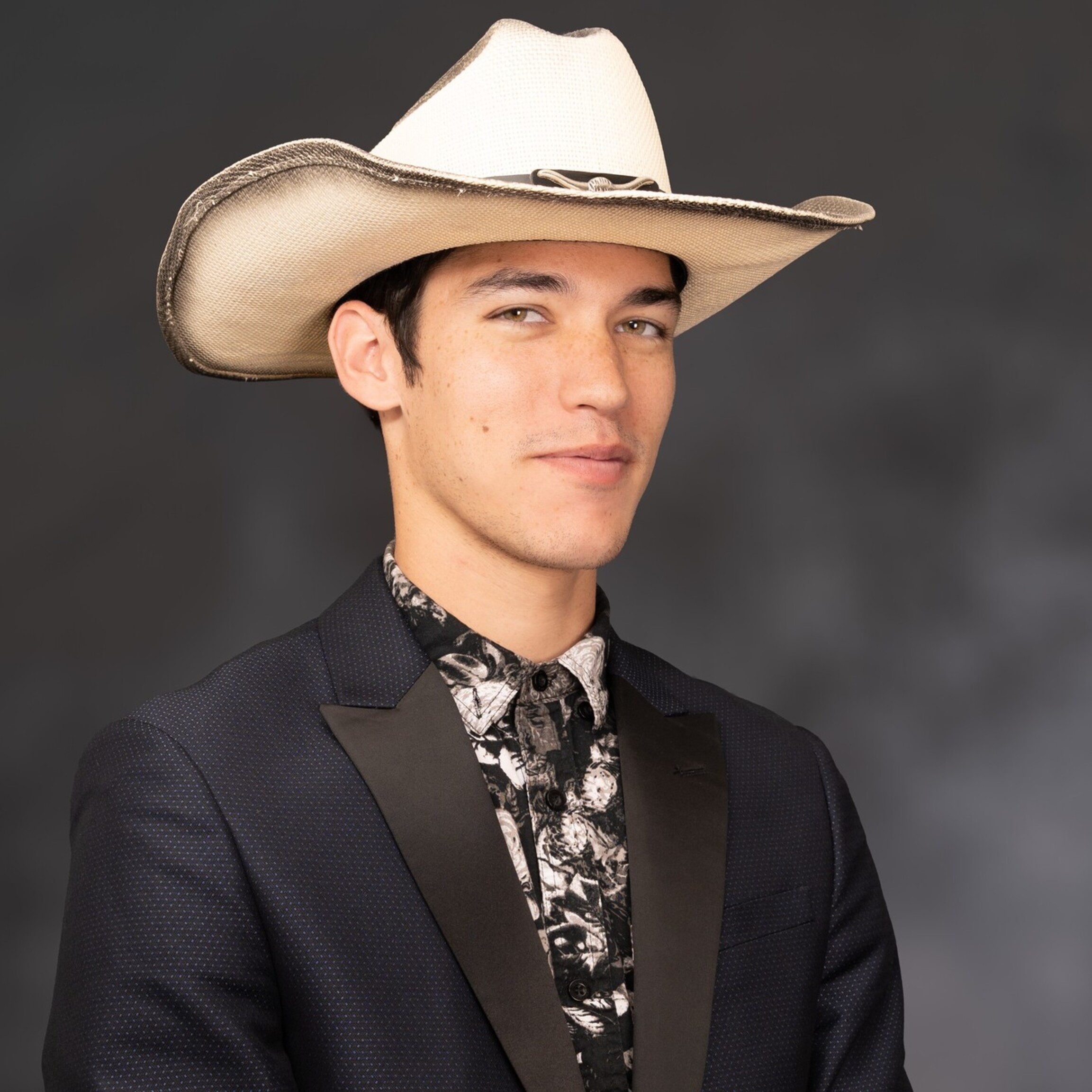
A lot has happened since then. People are quitting engineering jobs. People are writing books. People are going to the gym. There's so much going on. Now, for those of you listening, not watching, I decided to match Thien's outfit today with my, you know, ornamental coat here, and I was really excited to match you, Thien.
But I realized that in the all-white ornamental coat, I kind of look like a tampon sitting in this red ocean of period blood, and I, you know, that was not planned. Like, the red ocean was planned. I was like, "That'll be funny. That'll be cute," 'cause, uh, I always have an ocean background, and then I was like, "Well, let's make it red like period blood."
And then when I put on the white coat and I sat in front of this, I was like, "Now I look like a tampon." And like Billie Eilish said, I'm, I'm really not a tampon guy. I'm more of a pad guy. I think that's what that song was about. And so, yeah, I'm, I'm now looking like I guess it all works. It's all, you know, divinely intertwined.
Um, I could have wore blue or green. I decided to go with the white, and watching this now it's like, oh, I guess that was pure. What, what do you think, Thien? Is it perfect, or is it like a nightmare? Well, uh, I, I've, I never saw it like that, but now that you put it like that, I- You can't unsee it ... I kind of like I can't un...
Yeah, I can't unsee it. But it's so good. So good. Yes, now, Thien, last time you and I spoke, we were talking about your brand-new book, still pretty new at the time of this recording, you know, The Next Decade Body, Your Next Decade Body. So excited about that still. I see you posting online, the book signings, the good reports.
Um, really the most exciting part for me is seeing that so many people around the world are getting copies of your books. I mean, that's just so cool to see, see that, right? I mean, how many different countries? Uh, you probably don't even know how many because it's been so many. Yeah, um, so, so it's, it's been...
I think it's over 10 countries now, and I, I'm not keeping track anymore, so, like, uh, anything more than my 10 fingers, I, I can't count. Right. So. You only have 10 fingers? Okay. I think so, yeah. Every now and then some people have 11 or 12, so I had to check. Yeah. Yeah. Yeah. And, uh, no, that's so exciting. I know you've been going around doing that.
And, uh, adjacent to that, some of the work you've been pushing lately has been about menstrual health. That is something you and I have very briefly touched upon, and today we're gonna go into a deeper dive. Uh, period blood ocean behind me, so when we're diving in, we're gonna go right into it. Um, and yeah.
Oh, I'm so excited. So we're gonna get into it. Starting first and foremost, Tien, with what got you into women's menstrual health? Now, to do a brief overview, we know that your personal journey with your health is what got you into fitness, into building the next decade body, you know, creating a life of sustainability and health.
What does the menstruation play into all of that? Well, um, so it isn't until I, I get into fitness that I realize that actually menstrual health plays a, a huge role in, um, in a part of how we lose fat and build muscle in, in building strength and energy, right? And, and this is one of the things that, uh, I realize is not being spoken about, uh, in the industry, right?
Um, when we talk about fitness, when we talk about building strength, it's about training hard, eating in a certain way, and, and not many people think about how the period come into play, especially for women, because physiologically we are different. So, so how I got into that is that, you know, uh, it's also related to my own personal str- story.
Um, I do struggle with my monthly cycle, uh, in my, um, early 20s, early 20s, right? And I didn't realize that, uh, that has an effect of how, um, how I gain energy and strength, how I build them, and how I get, uh, into fitness, right? And, and so, so when, when I start to dive into women's health, uh, about period, I realize that it is, uh, it, it is actually like a report card for, for us every single month, right?
What we feel through the month, and especially on that time of the month, it actually tells us what our body is actually telling us in the terms of how much stress that we've been under and how long we've been under it. Uh, what have we been eating through the month, how much, how frequent and, and whether it's enough or not or, or over, right?
And also it has, um, it has... it is also related to how we train as well. Too much, too little, and it's not just, um, it's not just one size fit all, right? And, and it- the reg- the regularity of it really, really depends on how well we manage our s- our stress, how well, how healthy we are through the, um, how much of healthy habits that, that we are, are practicing through the, through the month on every single day.
So, so that, that is how I got into it. And what I realized is that I got stronger, right? Before, um, I was struggling with a lot of period pain, a lot of cravings, mood swings. Uh, I can't sleep during that time of the month. So, so what I notice is that as I train, as I eat better, as I listen to my body, those symptoms actually fade away.
And, and I used to struggle with irregularity as well because, uh, I used to train a lot, over-train, and under-eat as well. And once I've gotten, um, on track with my training and my, my own eating and really look into how stress has been affecting me in my own body, uh, emotional, mental included, um, that really improved my, my own experience, right?
I don't have to struggle as of now through the month. Like, it's, it's a lot better. I feel stronger, and I can consistently train and make progress Now, people don't realize not just the physical side, but also on the brain chemistry and physical side. You know, I did an episode, uh, quite a while, months or maybe even over a year ago, on women's menstrual health, and one of the things we addressed about it was actually there are certain days during your period cycle where your creativity is at its peak and where it's at a, a lull.
And, uh, the guest, Amy, you know, she was sharing about she actually plans out her days and, and tracks her periods to when she has big creative projects, these are the days she's gonna focus on them. And when she has the low days, here's what she's gonna do. Uh, so it can be really important. Now, we could talk so much about stress and how stress affects it, about how it can cause irregularities, whether that's a late period, skipped period, and stuff like that, especially with some people having weeks or months in between their normal cycle.
So let's talk a little bit more about when you got into menstrual health, really, what was the process? Was it you were reading books, you were watching podcasts? What really got you through that research process? What was kind of that looking like? So, um, so I came across a seminar online that, uh, I eventually signed up for.
And, and I was really curious about menstrual health because, uh, that topic was discussing about how menstrual health has, um, how menstrual health is related to, um, to fitness. And at the, at the point of time, we are talking about build- bodybuilding and how, how it affects our period, you know, when, when we, uh, prepare for competition.
And it is very common that women lose their period when they prepare for a bodybuilding competition. And so we talked about how, how that affect us, you know, um, not only in, in fitness in a way that we put on muscle or lose fat. Um, that also affects our health because, um, because, because we... the bodybuilding, um, industry is, is looking into that, right?
And, and so, and so I got curious, and I started to study. And, and so I started thinking, How can I ap- how can I apply this for general population? Because obviously this is very important. Obviously, this has had a, um, this is ha- this has an impact on our health because it's not just about building strength or losing fat or building muscle.
It, it tells us a lot about our health for the long term. It tells us about how much stress that we are under, because that is so invisible, and a lot of people don't realize that. And, and, and stress these days, it add up, adds up very fast, and, and without us knowing that, things start to break down Right.
Right. And, you know, one of the things too that I wanna talk about with this, you know, we've mentioned, especially with bodybuilding, with fitness, the importance of the cycle, and I saw you do some posts, so I'm, I'm sure you're, you know, happy to talk about this topic. Do we push through period pain to achieve our fitness goals, or do we take a break?
What is the, the proper, healthy thing to do? Yeah. Um, I get asked this question a lot. Um, so, so obviously if it's too painful, we don't push through. Obviously, if it's too painful, it affects, um, it af- affects us in the quality of the training, then we don't push it through. But rather take it as something that, um, what, what is it that our body is trying to tell us?
Because when it's in pain, it's trying to tell us something, right? Mm-hmm. So, so definitely, um, I do not recommend pushing through and, and also more, more importantly is that it does not have to be that way. If it is painful, the body is telling us something, and it is something that we look into to improve rather than trying to find quick fixes to address the symptoms Yeah, and that's something that we have to address, the, so to call it, the elephant in the room.
Right now in society, especially in modern day, um, I can't speak for Malaysia or China or Japan or Europe, but I know in America there's a big push that has villainized periods, that they almost seem unnatural. Oh. We wanna get rid of them completely, you know. And there are a lot of pushes for birth control.
I've unfortunately seen here in America, people, I mean, women as young as 16, as high schoolers, getting birth control through different ways, through injections, through pills, through all kinds of- Oh ... different means. And, you know, these are young women still going through puberty who are having these changes to their chemical system and their hormones, which are trying to do something for a reason.
Can you talk about, you know, so many people are trying to get rid of the pain. And I don't say this to disparage anyone who... Obviously, it is painful. You know, I've, I've been in contact with women who would pass out from their periods- Yep ... who would throw up, who would, you know, couldn't walk. I understand how painful it can be.
Uh, and everyone has a different pain tolerance. But, Tian, can we talk about this almost seeing periods as unnatural, we need to get rid of them, and how harmful that can be? Well, um, I, I love to talk about that. And, um, you know, it's... I don't think it's, um... Don't see it as something that is unnatural, because period is part of, um, our body's function as a woman, of having ovaries and uterus.
So it is part of what our body is doing, and it is not just, um, it is not just for reproductive purposes, right? It has a function of regulating our, our health, right? More than, more than just reproductive function. So it's really harmful to just stop the, uh, period from happening altogether, not to mention that there are side effects of taking these, uh, pills for the sake of just stopping the period.
Because once we take away the, those pills, we, we are dealing with a lot of side effects here, you know. Um, and, and it's really unnatural, and I don't think it's healthy at all, right? And- Yeah ... yeah. And I'm not, I'm not saying that these... Obviously, if there's any, uh, like, um, medical justification that you must be on the pill for medical reasons, right, those are different.
But we are talking about stopping the period for the sake of stop- stopping the period because you think that it is unnatural. Um, that alone, that itself is unhealthy because we are stopping the period for no reason at all. Yeah, and actually, you know, speaking about that and, you know, number one, the side effects vary so greatly with everyone's physiology because we are all different.
Yeah. Uh, you know, I've seen some women post about weight gain, some about weight loss. Yeah. You know, it can be so different. And, you know, talk about some women I know, and again, if, like you said, if there's an urgent medical need, but there are some women who are saying, "I just don't wanna have acne." And, you know, a- acne is part of life, you know, acne, pimples, whatever you wanna call it.
I had it growing up. I still get it sometimes. Yeah. You know, at a- I- ... usually only on picture day. If I'm gonna go talk on stage, then suddenly I'll have it and it's like, oh, of course, today, now that the camera's on. Um, but, you know, I, I had it really bad in high school. So bad that I had to get surgery on my nose to, uh, extract one, and I have a scar across it.
You can't see it on the camera, thank goodness. But, uh- What? ... in real life, if you look closely, I have this nasty scar 'cause I had... Uh, story time. The pimple was so big on my nose, people were calling me Rudolph because I had this big red glowing nose because it was right in the center. Oh, my. Kids were calling me Rudolph, you know, the Red-Nosed Reindeer, um, because I just had this big red pimple right in the middle of my face.
Um, no one called me a clown, which I'm surprised. I guess it, I guess 'cause it kind of was shiny, so it looked like it was glowing. And, you know, um, so I've been there. I've, I've had really bad acne. Um, but I would never, you know, me personally, I would never just take a medication that's gonna change so many other things just to clear up the acne.
You know, eventually it went away, and there's so many other products to help with acne that don't change you hormonally. There... You know, I do... I'll be honest. I, I've got my charcoal face masks. I've got my mud face masks. Every now and then, I don't do it every night, I'm too busy for that, but I do wash my face and do the masks sometimes.
I, I've never put cucumbers over the eyes. I'm not that bougie, but maybe one of these days I'll put some cucumbers on the eyes. But, you know, there are people, not just for the sake of a period, but just for the sake of acne. I mean, Tian, can you talk about that a little bit? Yeah. Um, yeah, I can so relate with, um, with the acne part because I had it, uh, before.
Uh, growing up I, I, I struggle with that as well. Um, and you know what? Acne is also a sign of our body trying to tell us that, um, that how much stress that we are under. Like, when we are more stressed, the skin breakout. Uh, when we are eating something that irritates us, of course it breaks out. And if we are, if we are exposed to dirt, right, dirty environment, of course it's, it's gonna break out.
Um, so, so, um, when I was more ignorant at the time, I was given, uh, medication to, to address that, that symptom. And for a long time, I thought that this was the only answer, right? Uh, until to a point that I was struggling with, um, irregular period. I went to see a doctor and, and I was, I was given birth control pills to keep it regular.
And guess what? At, at one point of time, I, I, I felt that this is unnatural, right? This... Something inside me told me that this is not the way it should be. Like, I shouldn't be popping pills like I'm eating a, a meal, you know? And, and so I stop it. I stop it. And what happened after that was massive, massive, massive breakouts.
Like, my face was so inflamed, so inflamed and so swollen. Mm. And it's, it's because of the side effects of the medication. So, so- With regards to having acne or pimples on the face, uh, it is, it is not about medicating ourself as well. It's not just about taking that to get rid of, of it. Because when, when we are taking medicine to clear out the pimples or, or keep the period regular, we are masking the sym- we are masking the, the problem.
We are addressing the symptom, yes, but the real problem is not solved, right? It is still there. And, and it's gonna, it's gonna get worse over the time if we are not looking into that, right? The stress, um, the, the stress that we've been under and the, the kind of food that we are eating or the kind of lifestyle that is so unhealthy, right?
Until it is addressed, these things will always show up. Right. And we're gonna get into how to address that, but first and foremost, Tian, you're gonna share some pictures of your teenage years with the acne and everything. You have some... You, you're gonna share- Well- ... some of those? You know what? I, I so regret that I did not take any pictures, like, at, back at, back in the day.
I, I, uh, wasn't proud of how I looked. If I knew I was gonna be a speaker and a podcaster and, like, these would've been good to show. I know. Yeah. I know. But, um, yeah, unfortunately I did not. Um, wasn't a fan of taking a picture of myself back then and, uh, as you know- Yeah ... I've shared, um, my stories as well. I was, uh, heavily bullied as well, uh, for how I look, for how skinny I was, and at the time, with my face.
Um, you know, uh, somebody actually commented that, um, gave me a comment like, uh, that sound like this, you know, um, "If I don't wear my glasses, you actually look very pretty." Hmm. They, they call that a backhanded compliment. Yeah. Yeah. I, uh, yeah. Been there, done that plenty of times. Um, well, I didn't say that to people.
I had stuff like that said to me, um, when I say been there, done that. And, you know, yeah, I just posted recently about, uh, I met Brian Cuban, brother of Mark Cuban, you know, at the C Waves, uh, Eating Disorder Gala. And, you know, that was such a beautiful night because we talked about eating disorders and body dysmorphia and bullying, uh, with men.
And Brian Cuban's words were so- Ah ... powerful because when he was struggling, he said, "Men don't get eating disorders. That's a, that's like a women's thing, so obviously I must be fine." And, and that was so powerful for me when he shared about how alone he felt, like he must be the only man going through that.
And Tien, you know, you and I share... What I shared about was the flip side. When we hear about eating disorders, it's usually people trying to lose weight or, or on occasion- Yeah ... overeating, right? But for the, a majority of people think about anorexia is what comes to mind. Right. But what I spoke about is the, you know, the people who end up overeating because they're, they're so skinny that they were bullied.
You know, we, we've talked about what people said to you, what people said to me. Um, you know, and it creates this desire, uh, when you're a teenager or a kid, especially when you're younger, and you don't really have that self-worth or confidence like, "Hey, you know, I love my body for, for what it is," you know?
You're just thinking, "Okay, I wanna fit in. I wanna be popular. I wanna be attractive and liked," you know? And, like, it really does affect people. And so, yeah, I, and I, I... Thinking now, those pictures would be helpful because I think about seeing how far we've progressed is so important, um, because for me, I'm always comparing myself to that mental image in the mirror, which doesn't match what I look like now or what I looked like then, so.
You know, and, and along those lines of fitness and eating right, we talked about how that can affect your menstruation. So Tien, what does that look like? What is proper eating habits and fitness habits and lifestyle for helping regulate your period in a more healthy fashion? So, so yeah, I, um, really we wanna look at, um, how much stress that we are under, right?
Because overeating or undereating can be als- also a form of stress, right? And, and if we are talking about eating, we really w- want to look into, uh, eating enough as a woman, because what I find is that women tend to undereat by a lot because, uh, for, for the belief of, um, as a w- as a woman, I shouldn't be eating.
I should be only eating sa- salad. Um, I shouldn't be eating so much, you know? Mm. Um, and they tend to skip meals. They tend to skip meals. So really about when we talk about nutrition, eating, we gotta be eating enough. Enough of protein, first and foremost. That's not gonna make us bulky, right? Eating enough protein, ea- eating enough even carbs if we are training.
Eating, eating enough healthy fats. You know, that, that would, um, really contribute to us, uh, regulating our period because we are giving our body the building blocks of regulating the hormones inside the body, keeping it, giving us the energy that it needs so that our body perceive it as safe enough for period to be regular, because otherwise it will tip into stress mode and, and period doesn't come.
Or if it, if, even if it comes, it's gonna be painful. And when, when we are talking about training- Strength training is, is the foundation. I, I... It's the foundation for everything else to happen, right? Training properly, getting stronger, and I find that that really helps in reducing the period pain. And that, that is, that is aligning with my own experience and what I see in my clients as well.
A lot of them that, that came to me told me that they, their energy crash, they have really bad pain. Um, and once they start training properly, um, and strengthening themselves, full body, right, they start to feel stronger. Their energy capacity is higher. And, and so when, when the period come, they feel that they are more steady.
Energy-wise, they have energy, and the cramps, they are not as bad. And over the time, we can see that it, it actually improved to the point that they barely know that the period is coming, and that is, that is aligning with my own experience as well. So strength training, full body training, is really, um, important as well.
And, and talking about stress, you know, like, uh, looking into how, um, the, our daily work or mental stress, right, is affecting us. These are the things that we want to look at, and looking at what is draining our, uh, our energy. Because until we look- Right ... at that, like, like, if we are not sleeping, for example, that, that itself is a form of stress.
So, so really looking into where we are losing our energy, you know, um, on our daily lives and, and really, really look into how we can, um, show up, you know, have a, have a health- healthy habit- Right. And you know, Tien, everything you're talking about I feel like is so difficult for women, and here's why. When you talk about getting enough sleep and eating enough food, one, you talked about the, the issue with body image that a lot of women suffer from, which we see is very true, and that social media is only worsening, right?
Because now you're comparing yourself to AI generated photos or AI edited photos- Oh, wow. ... to, you know, beyond Photoshop now to, you know, to, to plastic surgeries, to all these unrealistic standards. So like you said, a lot of women are not eating. We've seen, you know, people don't realize how common eating disorders are and body dysmorphia is.
It's far more common than you would think. Okay. And then on top of that, women are skipping meals because of, of being... You know, if they're running the household or a high functioning CEO, whatever it is, if you're working or at home, um, you're skipping meals, especially if you're a mother and now you've got children that you're tending to as well, which goes into what you mentioned with sleep.
Now a lot of women are not getting enough sleep, and then they're just accepting a lower energy level, uh, for the level a day, whether that's because of taking care of kids or they're trying to work hard at a job and so they're skipping sleep. So they're, they're not sleeping as much, they're not eating as much, and then here's, here's, you know, the triple threat.
Um, obviously they're not making time to work out because they're too busy. Um, they're too tired. They're too drained. And so now you've got the not working out, the not eating right, the not sleeping properly. But all of that they take as their standard of living. This is the normal. This is what it means to be able to perform, right?
And then that adds all that stress. So Tien, when we talk about this, it sounds so easy to say, but looking at this, there's so many factors affecting this. How do we go about creating this better lifestyle? Like, when you work with a woman and she's busy, she's got kids or she's got a job or she's got kids and a job, you know, maybe she also runs a podcast and writes books.
Like, so some women are really busy. How do you help them integrate exercise and better nutrition and sleep into their schedule? Like, is there a special tactic to do so in a more easily accessible fashion? Yeah, for sure. Um, you know, all of the women that I work with, um, they have, they have jobs, they have business, they have kids, um, they have stresses all over the place, right?
And, and really when we talk about building strength, getting fit and healthy, it does not take as much time as effort, and effort as we think. You know? Mm. When, when we think about, um, doing that, right, most people think that, oh, we're gonna spend, like, two, three hours in the gym. We're gonna eat a lot of food.
We're gonna, we're gonna spend whole, whole day long just to cook a meal. Right. You know? That's, that's not it, right? There are ways that we can prep the meal, meal in bulk, right, to support our need in nutrition. And the fact is that we don't even need to train every single day in the gym. It, it takes one hour, uh, three to four sessions a week, right?
And, and it doesn't take so much effort as, as they think they, they need, right? And really, it's, it's not about the effort. The... Because when we think about the effort, it, it feels huge. It feels impossible. But this comes from, um, a place where they have no energy already, right? Their, their energy is already low, and, and so thinking about, um, spending energy in all of this feels overwhelming.
But I would really challenge that, you know, let that be, let that be a reason that they must do it. You know? S- spend a little bit of effort. It does not have to be a full-blown four sessions straight away from the first week itself. It can be starting with what, what they can do first, like one sessions a week.
That would be possible. Most people start like that, one to two sessions a week, and then they, they, they add on as and when they feel more confident and, of course, um, it supports their goal, right? Um, prepping, prepping meals, it- you don't have to measure your food, right? Let's look into how you are eating first.
Like, what are the, the, the, the easiest change that you can do in your meal today that move the needle, right? And as and when we feel more competent, we get more competent, then we feel more confident, right? And we put in the plans in place. That stacks up- So it, it does not have to be perfect on day one.
Right. It does not have to take so much time. So... I agree 100%, you know, just getting that little bit better each day, each week. And for everyone listening, you know, if you're a busy woman, you know, there are so many resources out there now too about how to integrate workouts throughout the day at home, different things you can do at home that are just a great stepping stone if you can't get to the gym.
Yeah. And there's a lot of different types of exercises if you are someone facing issues with injuries or with certain limitations on your body. You know, there are so many modalities and exercises out there to explore and resources. You know, so Tien, we've talked a lot about period health. Uh, what else do you think women are missing when it comes to their menstrual health that they should be knowledgeable about?
Well, um, first off, um, they, they should know that it's something that it, uh, they shouldn't push through. I know most, most women, they, they feel the pain, they feel the, uh, symptoms before it happens. Um, most... And, and also the weight fluctuation during that time of the month. Um, a lot of people actually thought that they have gained fat or gained weight at the time of the month, right?
And, and really it's, it's water weight due to hormonal shift during the time of the month, which will, um, go away on its own. But a lot of women, when they look at the number on the scale, they panic. Mm. Yeah. And then they gave up, and then they gave up, right? Especially when they are on a weight loss journey, um, they feel discouraged during the time of the month.
And, and so they, they made rash decision by eating, uh, emotionally, you know, uh, crashing out, uh, letting go and, and so canceling all of their progress because they see a number that, that, that they don't like. So really it's about understanding our body, what our period is trying to tell us, and looking out for, um, the stresses that we are under.
How do we manage that? How do we reduce that? Um, and, and so let, um, each month tell us how we are doing, right? It can be better over the time, um, but we gotta be patient because we are talking about month after month after month, and things that we are, we are observing, right? And of course, we gotta track our, our progress and, and really it's about being patient with us and loving ourself through the journey.
Mm-hmm. It's about self-love. I love that. You know, and I think the most important thing you said there is not mistaking period bloat for weight gain because like you mentioned- Right ... uh, nowadays going back to everything we- we've said is interconnected, and you and I have shared about how we can attach our whole self-worth to numbers.
Yeah. And then you and I have talked about how even just so specific, if I was 139 instead of 140, how depressing that could be for some people if, if, like they'll get attached to just half a pound or a pound, uh, you know, or to whatever it may be. So I think that is really important to keep in mind, and I think a lot of women don't account for that, you know, because I think a lot of trainers don't put forward, "Hey, just so you know, your weight's gonna fluctuate because of your period."
Just like many people don't realize that as they're going to the gym to try and lose weight, um, they may be losing fat weight, but they may be gaining muscle weight, and so the scale may not move- Right, right ... as much as they think. And so I think it's so important to have this, uh, education around weight fluctuation and gain and loss because people are set on, "All right, if I do exercise, I'm gonna lose weight.
It's only gonna go down." They don't take into account factors that could bring it up, like water bloat, like period, uh, hormonal fluctuations, uh, inflammation from certain diets or even muscle gain. So I think it's so important, uh, as you and I always talk about, the numbers are a relative indication, but they shouldn't be the exact determination of your value or your progress.
You know, they are a guideline more than they are the exact determination. So I think that's so important. And then one thing we have to talk about, you know, what role do men play in all this? For all the women who, who have a partner, what should we know about period health? And I hope men are listening to this too to get a better understanding- Yeah, absolutely.
Yeah ... of, of the women in their lives. So can you talk a little bit about that? Well, um, I think for, for men is, um, really also understand what, uh, what we go through during our period and, and, and also play a- I think it would be nice to play a supportive role, uh, during the time of the month and, and really be empathetic, uh, when, um, the, the, the number of the scale actually, like, just fluctuated.
You know, like reminding, uh, reminding us about, um, you know, this is, um, natural. You know, reminding us to love ourself through the time, and that would be really helpful, right? And, and also, you know, not, um, make a comment perhaps about how bloated we look, right? Um, but I think overall is, is really about understanding, uh, what we go through physiologically, um, and be able to tell, um, be, be able to tell, um, what's, what's right and, and what is wrong, right?
And rather than choosing, um, challenging us to push through during the time of the month. Like I'm, I'm talking about a lot of, um, people who think that pushing through is, um, is some form of achievement, right? Mm. And they could be going to the gym together, right? And men can, could be pushing through without any issue and can be gaining, um, trai- training with, um, more weight, right?
And, and really be looking into, uh, the female partner, you know, like instead of challenging her to train harder or push through during the time of the month when she could be feeling weaker. Mm. You know? And- Yeah ... not, like, um, get her to push through. And I think that's not just an important message for the men only, but for the women as well, because we live in such a push-through culture, especially, you know, military women, you know, who have this mindset of take a hit and keep going, embrace the suck, you know, um, don't worry about it.
And obviously, if you're in a mission field, that's different. But, you know, when you're just at home or at the gym, you know, I think it is important, that message, because nowadays there's so much pressure to perform. You know, in this hustle culture, it's always we want results yesterday. You know, we, we gotta push through.
We gotta just push through. And so I think that is a really important message for, uh, not just the men to keep in mind and be supportive of, but for the women to remember for themselves as well, especially a lot of women who are on their weight loss journey or their bodybuilding journey. Uh, I, I know as someone who's very, you know, dedicated to the gym, I know how, like, a single missed day can really throw us out of rhythm, or it can- Yeah
feel like, man, I'm, I'm, I'm behind, I'm lacking. But I also have to remind myself, like, if my body needs rest, it needs rest. If, you know, there's certain pain going on, there's certain pain going on. So I think that's so important. And then, you know, while you have the platform, Tien, I know we did a whole episode dedicated to Next Decade Body, but can you share just a little bit about that for, uh, any of the people listening right now who have heard us talk a little bit about fitness, about menstruation, about health and energy?
Or w- can Next Decade Body help us with any of that? Oh, of course. Of course. Um, so, so Next Decade Body is really talking about how we build our energy as a foundation, and then with that energy gives us the capacity and, uh, availability to build strength, right? And then in this, uh, in this book, I was talking about, you know, um, the seasons that, uh, we will be going through.
You know, as women, we, we go We will go through menopause eventually, right? And I, I also briefly talk, talked about, um, how our body actually is, uh, telling us, um, about, about what we do on a daily basis, about our habits, about our stresses. Mm. Right? And, and of course, um, when... it all, all this based on a, um, the idea that we're gonna look into how we expand our ene- energy capacity that allows us to build more strength, and that would really help us, um, prepare for the seasons to come, right?
And with that, um, also we, we talked about how, uh, our mental health, what we think, plays into the part of, um, the strength that we have built, because we can build strength. But when we think negatively, right, we- if we let, uh, negativity, uh, holds onto us, affects our mental health or our emotional health, that strength is not gonna last for long, right?
Eventually, it's like rust on steel. It's gonna rust. So, so it's, it's on a holistic aspect. Of course, um, I believe that this will help, um, us to build, um, a body that could- can ho- hold the life that we want to build that gets to come. Hmm. I love that. So Tien, it's always such a great pleasure to talk to you.
Uh, no, no bicep flexing competition for us this time. Everyone can catch that in our previous episodes. I don't wanna rip this fine jacket I have on right now, you know, that... I guess that would actually be really impressive if I, if I ripped to pieces, but it's not mine. It's actually someone else's, so I can't do that.
Oh. You know? So you gotta be careful. Yeah. Okay. Yeah. Yeah, I gotta be careful. I'm... And e- even though I'm just sitting here podcasting, I'm gonna walk away and there's gonna be some kind of stain somewhere on this, I'm gonna be like, "Oh, no. How do I wash this? Is this dry clean only?" You know, that's, that's how it is.
Never borrow someone else's clothes. It's too much responsibility. Um, you know, I've lent my shirts out to people and, and they spilled bleach on it. I, I lend people special shirts from Japan- Oh ... and they put bleach on it. So, you know, it's this beautiful black shirt with some Japanese artwork on it, and then just orange bleach stains across, across it.
I'm like, "I'm never letting- Oh ... anyone borrow anything again," you know? Um. Okay. Yeah, so that, that's how it is. But Tien, like I said, it's always a pleasure to talk with you, and I appreciate all the help you're doing for, um, you know, because I think there's a lot of women out there who are struggling. We, you know, just like there is a, an, a, a sea, an ocean of blood behind me, there is an ocean of misinformation out there on social media, you know?
Right. You and I have talked about this. The, um, the packages and programs of, you know, 30 days to fix this or 90 days to do that and, you know, a lot of people aren't understanding fitness and nutrition, especially menstruation, um, properly. So I appreciate you being that guiding light and voice speaking about this honestly and openly, sharing your story, uh, you know, and then also working.
So for women who wanna work with you one-on-one and stuff like that, what kind of is the process for that, Tien? So, um, so they can get, uh, they, they can get in contact with me, uh, either on Instagram or Facebook, um, Thien Wong. Um, alternatively, uh, um, on my website nextdecadebody.com/connect, um, they would be, uh, be able to connect with me, um, through any of the platforms that they are on.
Awesome. And we're gonna have all those in the description below. That's T-N- T-H-I-E-N, Thien Wong. And yeah, but again, it's always great to connect with you. We'll be connecting again in the future. Uh, you know, we owe each other a, a meet up in real life to do some weightlifting. Yes. Or, um, I might make you do some cardio, which I know you don't wanna do, but, um, it's the only way I can probably beat you- Ooh
in a competition, so yeah. But I'm excited. Um, but- Me too ... if your period's too painful, we'll skip it, and we'll, we'll do it a different day. Oh. Right? Of course. Of course. Yeah. But Thien, thank you so much for guesting again. It's always a pleasure. Well, the pleasure is mine. I'm so grateful to be here.