Episode Transcript
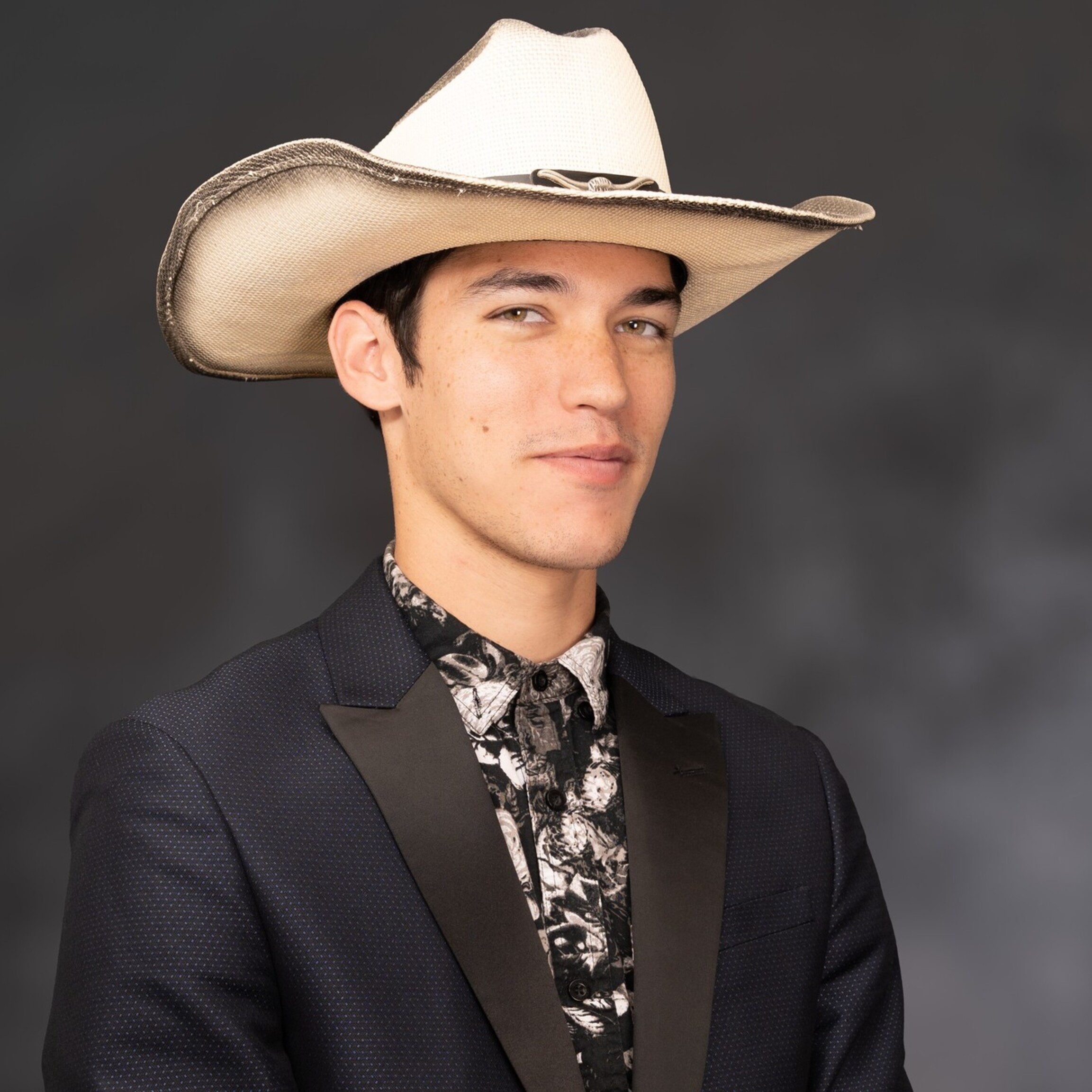
Ladies and gentlemen, welcome back to another episode of Couple O' Nukes. As always, I'm your host, Mr. Whiskey, and today we have really one man defending and representing all of Navy medical, because we make fun of corpsman on the show quite a bit, you know? And I'm so- listen, everyone's had a corpsman experience where-- I'll give you my personal experience. Navy corpsman's trying to get my blood drawn, and he's like, "I need you to be very still. Today's my first day. I'm actually an aviation mechanic and I'm cross-rating." And I'm just sitting there sweating, like, "These aren't jet fuel pipes. I don't know what you're trying to do." Um, but I've also had some corpsman that I deeply respected. My RDC at boot camp was green side on the front lines in Korea, and he'd share stories about stitching a guy's stomach back together on the front lines in Korea under gunfire. So, I mean, I have a lot of respect for them. Medical field is not easy to work in, and in the military, like most roles, it's extremely understaffed and overworked. You've got hundreds of sailors coming in to see attention, and you've only got, like, five people. So here with us, a Navy corpsman, Nick Perez. So great to have you here. Again, thank you for reaching out to, you know, guest on the show and share what you're doing. We just talked a little bit off mic, and I definitely love some of the stuff you mentioned, so excited to get into this conversation, one that I think a lot of people need to hear, both veteran side and civilian side. I think there's a lot of misconceptions about the VA, about healing, about veteran life, about identity, about holistic health. You know, that word alone, holistic, what does that mean? There's so many different buzzword trend, you know, definitions around it online nowadays. So excited to dive into this topic. So Mr. Perez, thank you so much for being here, and could you please tell us a little bit about yourself? Yeah, sure. And, um, yes, definitely make sure that you drink some water and change your socks. The number one corpsman advice- ... no matter green side or blue side. Um- I, uh, my name's Nick Perez. I was born and raised in Sarasota, Florida, and joined the Navy at 18. I was a corpsman for 15 years, and five of those years was as an independent duty corpsman, which for those that don't know, independent duty corpsman, we can, we can treat patients independently as providers. So we can- Mm ... we can pres- prescribe meds, do minor surgical procedures. We're designed to be, uh, an effective, cost-effective provider, uh, out in smaller destroyers, deserts, really anywhere that it would be too much to put a doctor or a physician assistant, we get put out there. So that was my job the last f- five years. I got out in 2023, uh, 15 years because my body and mind were really taking its toll, and because my kids really needed my support back home. So I, I chose to leave at 15 rather than go the full 20. Uh, then I started out, um, just working at a special education law firm for children with disabilities, advocating for them to get their accommodations that they need in schools. That later transferred to veterans disability law firm, where I was writing a lot of memorandums on why a person should either be getting, uh, their full benefits, why they should be getting back paid. Sometimes we work on post-humanist, uh, back pay as well if, if we can see that the death was related to a service injury such as, uh, like Agent Orange, or there's a fire foam that was used in, on Air Force bases. So that, that was a really exciting job. Later, I decided that I wanted to try my entrepreneur hat. I've actually wanted to be an entrepreneur for a long time, uh, just because of the freedom that I, that it seemed to afford. And after 15 years in the militar- military, I got tired of taking orders. I just wanted to be my own boss. Right. Right. Little did I know that, uh, my clients are my new bosses, and, um, freedom really just looks like I can work any day or night of the week, but that's- but it's also fun and exciting to create my own thing. Um, I became... I got into somatic coaching, meditation, yoga instructing. This led me to work for a disaster relief company in Florida called Capacity Path, where we provide nervous system-based modalities to survivors of hurricanes, um- Mm firefighters, emergency responders. We even did a- about a week in California after the fires, where we got to apply these skills- Wow ... to the survivors of the fires And that really, uh, integrated a lot that I had learned over the years as a medical professional, but also as I'm, uh, finishing my internship for mental health counseling. So being able to see the real time effect of here's the crisis, how do I use the- Right ... nervous system in two minutes or less to actually have someone be regulated, feel better about their life, and reduce PTSD long-term from, from the cri- moment of crisis. And as I've evolved, um, I started a nonprofit that helps veterans get education and access to holistic and alternative medical modalities. And as well as I'm working on a documentary that w- will be a compilation of stories, including my own, demonstrating injury back to full function. Full function could be like me, where I could barely move arms and shoulders, and then I'm doing ocean races and trying out for Ironmans. Full function could be, uh, being in a healthy relationship again or re- reestablishing relationship with kids. It's really whatever it means to that veteran. Right. That's what I'm working on right now. So going back to earlier in your j- life journey, you know, what drew you into special education in particular? You know, that's not everyone who wakes up and says, "Hey, I really wanna work in special education," because it comes with its own unique challenges that can be very difficult and draining, especially you talk about leaving the military after such a physically and emotionally, mentally draining service. Why go into special education? Yeah. So my son, um, has several learning disabilities, and it- the school wasn't providing the accommodations that we were requesting. Mm-hmm. Uh, so I got in touch with an special education attorney here in Sarasota. And if anyone ever needs one in Sarasota, Windsor Education Law, amazing. Um, in 60 to 90 days, this attorney, with no real legal action, just, uh, negotiation, a calm, effective, she was able to turn around my son's whole education career. So he had all the accommodations he needed, and then we, uh, we started seeing, oh, his grades are changing. He's reading more words. He's having less outbursts at school. And I immediately just said to that woman, I'm like, "I'm getting out. You're the first attorney that I've ever met that I can truly see from point A to point B, like I... There's... You just help children all day." You know, family law attorneys, speculative if they're helping anyone. Um, you know, all the different attorneys out there. But sp- but I said, "Do you have a job opening? 'Cause I would love to join you when I get out." And she said, "Well, yeah, we're looking for a non-attorney advocate." So I didn't go to law school. So someone that can basically handle lower level cases so she could focus on bigger ones. And what I found is I was able to really utilize my medical knowledge, uh, and my knowledge of assessments and formulate, you know, great l- letters, complaints- Right um, Civil Rights complaints, stuff like that, to support students. And I... And, and that also enhanced my ability to advocate for my own son. And what I found was very similar, like a transferable skill, is on the ship or with Marines, there's plenty of times that I've had to sit in front of a commanding officer and tell them, "Hey, this Marine cannot be re-engaged in the fight. They need to go lim- limited duty or something like that. Or this sailor needs to ca-" Like, and, and there's advocacy happening, where that commanding officer is thinking, I need troops or sailors in the fight, and I'm thinking, you'll actually lose this s- sailor or Marine or soldier, and it will r- uh, degrade in the mission. So I found that skill of here's the condition, here's, here's the order or instruction, and here's why you should not, uh... W- we should protect this person transferring over to the special education. Um, mind you, there's a lot more kindness involved in the education world- Right ... than military. Well, I couldn't be as abrasive as I used to be, so I got to learn, like, a lot of peaceful negotiating skills as well Can you t- share a little bit about that? I'm really interested on the medical advocacy, the to- you know, kind of when talking with the CO. We hear a lot in the military stuff like, "Take a hit and keep going," you know, "Embrace the suck. We need a body." Can you talk a little bit about that mindset? Do you feel like a lot of COs, or at least from your personal experience, are disconnected from the needs of their sailors from, uh, you know, other branch side, their, their soldiers, Marines, whoever it is? Do you feel like there's a disconnect there, or did you see some leaders who were like, "Hey, I understand these are people. They have issues, and I hear you"? Or did you get pushback sometimes like, "Hey, this is government property. They signed a contract. They're going out"? I got a little bit of everything. There are commanding officers that really understand it. There are commanding officers that are solely focused on the numbers. Um, and then there's the, the ones that are in between. Is-- And I have to learn, like, which battles to really pick. Um- Mm. One example, uh, uh, for black f- black flag weather in, on a Marine Corps base or any base is basically it's too hot outside to conduct military training. Right. Um, and one day I hear-- I say black flag. I tell all the platoon commanders, "Hey, don't... We, we-- no one should go out." Then I find out that the CO had ordered, uh, the Marines to do buddy drills in the middle of a football field, full gear. So they're practicing their, their, uh, evasive maneuvers and stuff like that. I go in, I say, I quote the order, and I'm basically told to shut up. So, um, the commanding officer can always override a medical recommendation, and they're the ones taking the risk really because if something happens, uh, uh- Right ... that's against the m-medical recommendation, they could get fired. Um, but now that I've also gone, you know, on the mental health side and, and developed a lot more empathy, I can understand that they have an enterprise-level leadership and w-why, why sometimes it can seem difficult is they're- Of course they really are thinking, "Hey, let's get the mission done." And learning to advocate properly. So I'm not gonna go in there and tell him he's not doing his job. I really have to see how this, uh, by taking a sailor-- We can even use pregnancy as an example. Pregnant sailors, pregnant Marines have certain protections, but they're not supposed to do certain things. Right. And, um, explaining like, "Hey, this will actually hurt your mission." Or one guy, he, he kept dislocating his arm before the deployment. Well, that's not gonna work, look, work on a deployment when you have to lift things, climb walls, whatever. It's like, "Hey, this, this Marine cannot go." Imagine if we're in a combat maneuver and his shoulder pops out. That's gonna actually- Yeah ... dictate the whole squad. So it's learning to align to their mi- mission. It... You enroll them like, "Hey, this is, this is why it's supportive." And sometimes, you know, if they say, "We're going against your recommendation," at least I wrote it down. So if anything bad happens, it's, you know, it's not like- Right uh, the doc didn't, didn't do, do my job One thing we've shared before on the job in terms of nuclear operators is a mentally unstable nuclear operator is a very dangerous nuclear operator, right? Yeah. And so that, that goes with anything in the military. If a person is in charge of anything that can cause potential fallout damage, harm to people, talk about gunner's mate as a position, and they're dealing with mental health issues, uh, you know, that can have a huge ripple effect if they decide something. Pilots, a great example of you want your pilots to be in a good place, you know, when they're flying, when they're out on air, not just for the sake of the mission, but for the sake of what could happen if they just snapped. Um, you know, and I, I love your example of that on the physical side as well. I do think it's important, and I'm glad to hear that there are medical advocates. But I, I do have to emphasize also that we need to really be our own advocates in the case that we don't have our own advocates because people think that, oh, doctors always have our best interests, or leaders always have our best interests, or they know everything because they're experts. And the thing is, no one cares about your medical health more than you do, and you need to care about it more than anyone else because you know what? People, yeah, it's their job, but that doesn't mean that they care to the deeply personal level that you do. And so you need to advocate for your symptoms, for the possibilities for what you're feeling and for other, uh, methods of treatment. You know, we're gonna get into some holistic discussion today and, you know, a lot of people are trained on very much one thing or one lane, and sometimes you have to go and try something different. What I wanna get into that I think is so important is you mentioned making a documentary. I wanna know, it obviously stems from a lot of what you've been through. You talk about being able to make a full recovery. What is the importance of this documentary? What, what brought it to mind that you were like, "This needs to be a documentary"? Why choose that medium, and what is the goal that you're hoping to achieve with that? Yeah. Um, I wanna just touch on something you said, too, that, uh, before I answer that, is- Right ... everyone's capacity and window of tolerance is different. So yes, uh, like, two nukes can be in the same school and one is doing just fine with the schedule and one isn't. Right. And it's not on... It, it... Like, don't think it needs to be one size fits all. And the same with physical pain. Right. Right. Some people, uh, like you take, like, a David Goggins has, like, hardware in his leg is running 100 miles. Other people, it's not- Yeah ... it's not the same. So never be ashamed just because your window of capacity is not the same as so- someone el- else's is. Thank you for sharing that. Yeah. But, um, documentary Well, I, I had in 2025, May, I started my nonprofit and I was really excited and, um, then old symptoms worked up. So on my disability paperwork, uh, there are, uh, herniated discs in my C spine. There's arthritis in the shoulder, all sorts of things going on. And all of a sudden I found myself, um, waking up unable to really move my neck or shoulders. I walked into a chiropractic o- office crying, uh, my eyes out because it was getting so bad And, um, and I, so I started going to... So I had to kind of, like, stop my launch of Ronin Relief, the nonprofit, and start taking care of myself. So chiropractic work. I went to see a, a masseuse that specializes with cupping. And the emotional aspect of it, or sometimes the spiritual side, is identifying the underlying emotions that are actually tied into physical pain and problems, especially when you're talking about fascia and muscle tissue, which is where we store a lot of our mental and emotional stress that's either happening now or has been accumulating for years. So I did all that. I started... I was able to start swimming again and moving, and I, um, I, as I said before, I'm big into mindfulness and yoga. So I almost had to relearn how to move my own body in a way that wouldn't cause pain. I would go really slow in the pool, like, like devastatingly slow, just to relearn how to move my shoulder without having the crunch, crunch sensation happening. Um, and then I signed up for a mile and a half ocean swim race, and I got third. So I was like, wow. Wow. I was like... And, and no, no pain during, before, after. Um, and sometimes it can subtly come back, but I have so many tools now that, that I'm able to use, and that's just one example. There's, uh, definitely a diagnosis of PTSD and anxiety and depression on my record, and I have t- tools for it now. Um, so one morning I was meditating after the swim race, and in that meditation it felt like this idea just, like, landed right into the core of my being. Um, and I was like, I, you know, I, I know you talk about God. I felt like it came from God because I've never done a documentary before, so- Right, right ... I don't think I would logically choose something I've never done before. And I've just been obsessed ever since to, um, how to fundraise, to how to get good shots, how to find a great editor. Like, all the f- all the components to it to, to learn how to actually create a valuable documentary that will demonstrate w- the sci- what the science already shows us. But to have less than 34% of disabled veterans utilizing these types of modalities tells me that w- the society at large has not bought in. And when I do the documentary, I want it to be so- clear that these modalities work to such an effective degree that more and more people start using it, more and more people start advocating for it, and all of a sudden we find ourselves one day where, where the VA's paying for Chinese medicine for three months, or the VA's paying for craniosacral therapy, or we're just ta- we're having more meditation groups for veterans. And I, and I really see the, the potential, um, besides living in chronic pain or needing to end our lives, which the fact that it's still about 17.5 a day is, is a huge discrepancy that, uh, that I s- that I'm seeking to fill in You know, healing is so individualized. You know, you talked earlier about, you know, people aren't all affected the same way, and the same goes for healing. You know, I talk about individualized healthcare plans, meaning, you know, your healing is gonna be different, and, you know, all of the way we process trauma, experience trauma physically and emotionally is different. Yet the VA, unfortunately, is one of those big, you know, kinda government systems where it's the traditional path or you're on your own paying out of pocket. Uh, and that, that is a true shame, you know, because there's a lot of non-traditional healing methods and modalities that are extremely effective for people. You know, you look at even addiction recovery, the VA has its set route, but I've done hundreds of episodes now, and many of those interviews were addiction recovery modalities that were not AA, that were not rehab, that were something different that, you know, you are gonna have to pay out of pocket for unfortunately. And, you know, I think the focus shouldn't be on healing the right way. It should be healing as you need it to be. Um, but unfortunately the system is set on it's gotta be so checkboxed. You know, that's just the military for you. So I, I do hope, you know, bringing awareness to this, and we have seen over time, I encourage everyone, while it looks really bad, I know that my VA experience compared to people, you know, 10, 20, 30 years ago was very different. And some of it is still the worst terrible things ever, but there's a lot that has changed and improved. And so we need to see the bigger picture. You know, what's the VA we're creating for the people after us? Because ultimately that's how long it's gonna take. It's gonna take a lot of change. Uh, but it also just takes a couple papers being signed up at the very top from people who are being spoken to and, and from us being heard. So when it comes to this documentary, obviously I think, you know, the number one thing, uh, we need is, is funding to, to make something like that possible. But what are you looking for help-wise? Are you looking for people to interview who have, you know, experienced these different types of holistic healings? Are you looking for very specific people who have healed in a very specific way? Are you looking for people to help film? Like, what, what are kinda the needs? What is the process? Have you started filming at all? Is it all drafted on paper? Where are you at with that? Yeah. Um, I... Well, what I'm looking for, yeah, the, the funding is obviously the big one, but that's, and that's to get the right type of equipment and editors to really create something of value. But But as far as people and connections, um, if veterans have healed an injury using a holistic modality, be it mental or physical, yeah, I'd love to connect them. I'd love them to be in the film and share their story. Uh, and again, uh, that could be, uh, from I could barely move and walk 'cause of my back pain to I'm running around again. That could be I was suicidal every week and now I, I'm not. Like, I don't experience that. I experience joy and laughter and, and meaning. Or it could be I haven't had a healthy relationship in five years and now I'm on my way to be married or my kids... And, you know. Like, whatever it is that someone has re- recovered from utilizing something other than or at least added to r- m- regular Western medicine. So could be meditation, Chinese medicine, could be prayer. Um, there's lots of studies. There's a book called The Awakened Brain where- by Dr. Lisa Miller where she talks about the actual neurological effects of those that put their trust in a higher power. So it's not just woo woo and, um, a- and miracles. It's, it's, it's actual science-based fact that this works. And those are the types of people I'd love to connect with. I have a lot of the providers that are willing to speak already. Um, I do have some film crews that are willing to do this for free. Uh, so the... And as, like I said, the, any of the funding really goes to spec- special equipment so that when I take it to Netflix or Apple TV, they're, they're see it as a quality film, so that when people are watching, it's a quality film. Um, and then I also don't wanna edit. I don't even like to listen to my I don't... When I do a podcast or something, I don't even go back and edit it. I just like to s- Right. Right. Um, so tho- those are the th- those are the big ones. But really, a- after that, I have no idea where... It's one of those things where I'm just trusting the process. Mm. And as far as filming on my own, you know, I've done some things where it's posted on social media. I catch my B roll. I, like, videotape myself talking about the process that can be in the film. Um, but a lot of the feedback I've been given by potential donors or just pe- people in general is like, "Hey, make it, m- make it something other than your phone. Don't make it a B- a Blair Witch Project type of thing. Like, have it be something amazing." And that's really the i- the intention, is that from the start of it to the end of it, people's hearts are opened up. Right. And, and one thing I wanna mention here reflecting on our conversation so far, you know, for any veteran or even veteran ally listening, you know, if you're worried about, "Oh, man, I gotta pay out of pocket for this practice that might be, you know, what we've been looking for," there are a lot of nonprofits out there helping with that stuff. So I've met a lot of people who they provide horse therapy and, and horseback riding for veterans for free, fishing and kayaking and outdoor, you know, therapy for free for veterans, um, beekeeping, right? There's a lot of different things out there that if you're looking for something physically, mentally, emotionally, there's a lot of nonprofits out there that are veteran-owned and ran to help other veterans heal the way they did without having to spend all the money that they did. So I, I do wanna, uh, give y'all that hope because I know it can sound overwhelming to say, "The VA's not gonna cover anything. I'm all on my own, and so what am I gonna do? I'm just gonna ignore the pain. I'm just gonna live with it because I don't wanna spend my money to get healing when they should be covering for it." There are a lot of nonprofits out there. So I encourage you, whether that's red light therapy, maybe that's cold water immersion, like, there's a lot of stuff out there. So I, I encourage everyone to check it out. And, you know, I wanna get more into you. You know, I listed a few things, but Mr. Perez, really when it comes to these other modalities and holistic healing, what does that look like? Like, what... Y- you know, you kinda mentioned Chinese medicine. What-- For those of us who aren't familiar with these practices and stuff, what does this all mean really? Yeah. And I like that you said that there are stuff out there that's part... You know, I don't... Well, I don't currently have the funding to pay for people, but I know how to plug veterans into the nonprofits that do or negotiate with providers so that they can la- label it as a donation so they- Mm provide the veteran for free. Um- What does it look like? Uh, so Chinese medicine, for example, it... Well, even I'll just identify you said what does the word holistic mean? Right. And, um, it's approaching from the whole system, body, mind, emotions, or, or the whole system of, like, if it, it could be my left shoulder that's hurting, but is that related to an injury from my left h- from my right hip? Right. Right. As, as the fascial system is interconnected, not isolated. Um, is it actually a, a gut issue, inflammation in the gut? All these things. Is it an emotional, uh, trauma that I've been holding onto for years that is inflaming? Uh, or is it just, like, poor positioning when I sit, when I turn? H- like, what are... It, it looks at it through that lens rather than saying, "Oh, your left shoulder hurts. Let me- let's put some ice on your left shoulder and here's some Motrin," and approaches it in a, in a huge way. So for me, um, Chinese medicine is one of the best ways to address a whole body approach because they, they can look at something like, uh, pain on the right side, and they can say, "Okay, uh, on the right side there's a connection to the liver and anger." So they might, they could then use acupuncture to help the liver. Then they could talk about the anger, and there are plenty of veterans that hold anger in their system. Um- For sure. For sure ... so, so that could be affecting the right side in addition to, like, what they did with me, is it w- I was told I needed surgery on my right hip, but I didn't like the prognosis. There was still a 50% chance of pain. I was gonna be- Mm-hmm ... unable to walk for four months. I went to one cupping session, and it was the first time my hip had been pain-free in three years, and I, I just couldn't believe it. I couldn't believe how well it worked. And when you compare that to something like, um, an, an intra-joint injection with steroids, there's also no side effects. Uh, inj- steroid injections- Yeah ... actually degrade the tissue over time, and you'll end up needing the hip replacement anyway, and it can affect the kidneys. Like, that's... So not only are you getting the work done, but you're not worried about all the different side effects. And then if they do use any type of oral medication, it's all herbal. Uh, so the one they gave me is one to help increase blood flow because the hip area doesn't get a lot of blood flow on its own. So all that com- combination of, uh, talking about the anger, addressing the liver, addressing what I'm eating, what am I putting in my body. Uh, lots of gluten, lots of red meat, lo- you know, I was still drinking at the time. Uh, high sugar. All these things contribute to inflammation. Uh, and that's just Chinese medicine as far as, like, how it's addressed holistically. I've done craniosacral therapy, which is like a form of light touch in which the, the practitioner guides the client through visu- visualization and certain pressure holds, um, to release like, like, in the, in the brain, in the, in the skull there's all these sutures that f- that form our skull together, and over time our jaw muscles can push these together, can crunch them. Mm. You can call it, create a lot of pressure in the head, neck, shoulders, and there's a way to, like, release those sutures and those muscles gently. And, and the list goes on. For me, meditation is a way of being with all of it, the body, mind, the soul. Um, somatic therapy is a way of addressing trauma through the nervous system rather than just talking about it, uh, and, and trying to overly medicate it. And those are l- three main ones that have really made a difference in my life. Right. So I encourage everyone to research these holistic approaches and these different methods, and to really, uh, do that research, you know? And I'm not saying don't seek a traditional approach, but I always encourage getting more opinions, you know, because sometimes you get locked into a single lane off the first, you know, opinion you heard, and there are so many other things that could be causing it. You know, I've done a lot of episodes on that, looking at all the systems interconnections rather than just an isolated incident. And then also root cause destruction rather than just symptom management. Now, Mr. Perez, as we wrap up the episode here, what do you want the, the big call to be? I know you're looking for people to help with funding, to help with filming, and kind of what is the next step? Well, before you help with filming or funding, definitely research, like, what you need. I would say, uh, especially for veterans, o- one of the things that your podcast addresses is that identity shift afterwards. Yeah. And realizing how anything that was already there physically or mentally can be exacerbated by losing a sense of identity and- Mm-hmm uh, losing the camaraderie, losing the structure. So don't discount those things as, uh, again, holistically, those things are contributing factors. And, and they all can play a role i- i- integratively rather than separately. So if you're a veteran that is, uh, hurting, in chronic pain, um, feeling down, depressed, feeling like, you know, the ending it all is the only way, um, yeah, go look at, into Chinese medicine. Go. You can reach out to me, and we can help you find, um, the right pathway for you, or just have someone to talk to. Um, and, and try it out. Don't take my word for it. Be your own scientific researcher and see what works for you, because what worked for me m- might not necessarily work for you, but you might find something completely different Um, and as far as a call to action, if you feel like donating, if this is, seems like a big thing, I do have, uh, roninrelief.com has a donation link. I also have a link on Zeffi, uh, for the movies called Operation Iron Resilience, and, uh, we can donate there for that pre, that pre-development stage funding. If you're a veteran that has had an injury to return to full function and you want, and you're interested in being in the movie, please reach out to me. Um, and if you just know someone that could help, reach out to me. Really, reach out to me anytime. I'm not too big yet where I don't answer the messages myself. So you can go on roninrelief, uh, Instagram or ironronin2026, which is for the film. You can reach out to me there. You can reach out to me through my email on the website, roninrelief.com. Um, and, and you will get an answer from me because, again, I'm not so big that I'm, my emails are backed up for days and you won't hear from me. You will... I will help you, and I will support you, or if you're interested in supporting me, we can figure out what works. Mr. Perez, thank you so much. You know, I'm grateful for the opportunity to provide you a platform to share what you're doing so other people can connect with you because, you know, uh, your mission, uh, like mine, you know, it's all about helping people. It's about spreading awareness, having these conversations, and really trying to help people as soon as possible, sooner rather than later. You know, there's a lot of veterans who are only now in their late 40s, 50s, or 60s discovering something that could have helped them a long time ago. So if we can help people get the healing sooner rather than later, uh, I'm very grateful for that opportunity. So thank you for what you're doing and for your time today. Yeah. Thank you. Yeah, and there's never too late, even if you're an 80-year-old veteran.