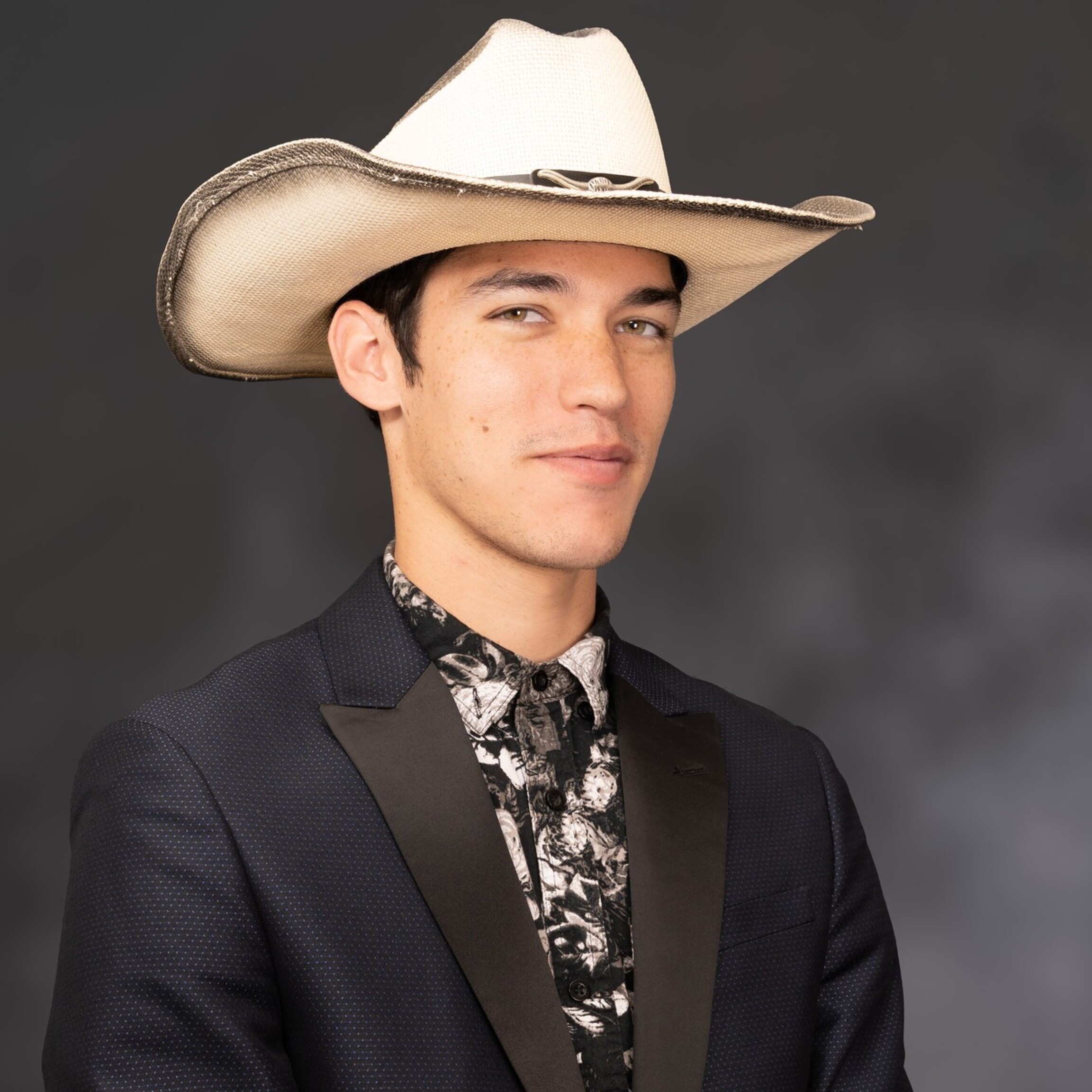
Episode Transcript
Ladies and gentlemen, welcome back to another episode of Cup of Nukes. As always, I'm your host, Mr. Whiskey, and this is the second interview as part of the Frontline Tastings experience here in Tampa. Shout out again to Mr. Mike Waskiewicz, great guy, and this particular guest we have right now is part of the reason why I really appreciate Mike. You know, when he came on the podcast, he talked about it's not about what you're drinking, it's about the why, the camaraderie, the community. And he is one of the only tasting events... Actually, he's the only tasting event I've ever been to that has non-alcoholic stuff, that has sports drinks, that has sodas, that has, "We're here to support veteran brand-owned, you know, adult beverages regardless of what they are." So I really respect him for that because when you hear a tasting event, most people just think of alcohol, right? Most people think wine or whiskey. But we've got sodas here, we've got sports drinks here, so super excited to talk about the non-alcohol side of the beverage industry, especially when it comes to veteran entrepreneurs. Here with Michael Quilty. So great to meet you in person, to have this opportunity to record, and I'm just happy to host you and be here, and I'd love to just get a 30,000-foot overview, bio of you, if you could- Yeah, yeah ... tell us a little bit about yourself, and then we'll get into the details from there. Great. Well, thanks for having me. It's great to meet. So I'm a Navy veteran, nuke sub. Long deployments, didn't stay in. Mm. Went to business school Started a company with my friend out of business school and sold it 12 years later. Retired. Very active in veteran charities for many, many years. And then, I was at Boulder Crest, which is a retreat facility for veterans- Mm-hmm and there was a company of Marines who had just returned from Afghanistan, and I got to meet them, all of them, and spend time with them over a couple of days. And what I realized there was that these folks were heroes, warriors, amazing people. If you met them, you'd, you know, spend the day talking to them and- Right just great people. And every single one of them was either underemployed or unemployed. One of them, who is now our franchisee here in Tampa, said to me, "Mike, I can't get a job at the front desk of a Planet Fitness." This was, like, a sergeant in the Marine Corps. Right. I'm like, "Something is really wrong." I went home that night after this retreat and said to my wife, "I want to start a company, and I want to hire these people." Mm-hmm. And she said, "Don't start another com- like starting a company. We already did that." Right. She's like, "Why don't you buy a company or become a franchisee?" And I knew of Wild Bill's. It was a great fit for the folks that we were thinking of working with, and so I started out as a franchisee in the Texas market. And from there, we've just grown and grown and grown, and eventually, now we, you know, own Wild Bill's. But the mission was to create entrepreneurial jobs for- Mm ... well, initially just create jobs for veterans, and then over time, we now have 21 franchisees. And we have, Wow ... the Marines who started with us, Navy, Army. We think we have four Army, and we have three Air Force. So, 21 franchisees. Not all of them are veterans, but- Right ... a real veteran-focused mission and a really great culture of- Mm ... people who work together. One of the biggest misconceptions of the civilian world understanding the military world, in my opinion, is that transition. And a lot of podcasts and people talk about the identity, the purpose, all this and that. But over hundreds of interviews I've gotten to sit down and talk about the error of trying to translate their resume, how some military resumes are so niche and specific. Yeah. I had a gentleman on the podcast, "I shot down planes with a rocket launcher. I got a job after 200 denied applications swinging a pickax for $5 an hour," you know, back in the day. One of my friends who got out after six years, culinary specialist, loved doing mechanical stuff as well, had about, four or five different jobs within a span of two months of getting out, and then he called me and said, "I think I'm gonna re-enlist. I just don't know- Yeah ... how to find employment." And it's sad because he spent six years excited to get out, you know, has the countdown app saying, "Hey, I got this many days left." He goes, "I don't want to go back and I don't know what to do. I can't get hired." He goes, "I thought that veterans just got hired for being veterans." And I said, "That's the misconception." Yeah. People say, "You're a veteran, therefore..." Civilians are gonna assume you got good work ethic, that you're smart, that you can learn fast. They say, "If you're a nuke, you can get any job." And in fact, ironically, I was turned away from some jobs for being overly qualified. You need to do more with your life, or, "Hey, sure, you can do reactor stuff, but can you work a fryer? We're not gonna hire you." Yeah. And so a lot of people- Had no job experience. They joined at 17, 18, 19 average age. Most people, that's all they did. Now they get out, and they can't get work experience. It's like, how do we fill the gap? And so companies going out of their way to hire veterans, I think, is, is huge, and that's kind of what you're trying to do, is fill in that gap. And what did you find was the big issue talking to these veterans? Like, why were they being turned away? Oh, I, I think it's exactly for the... I mean, just look at their resume. Like, you, to this day- Right ... you look at them, you're like, "Wow, that's not a, that's not a resume that a employer is used to seeing." The, the benefit for me and us at our company is, is we look beyond the resume, and we- Mm ... we know the unit they were in, and we know the people that they served with, and, and when they describe their accomplishments in the military, we understand it. So that's... Now, I, I'm a member of this young presidents' organization, and I'm in a chapter. We have 50 members. Maybe two of us are military, the others are not. Right. And I always get asked, "Well, how do I hire veterans?" And the, I think the answer is you just have to start with one, and then that one brings in others. So, like- Mm ... you're gonna get the first one. You're gonna look at their resume. You're, they're gonna talk to you in a different language. You're gonna think that they're great, but you're not really gonna understand it. But bring one in, and then that person is typically the gateway for... They're like, "He or she does a great job. Can you get us other veterans?" And then they're like a translating point. So my, my point to my friends is don't keep talking about, "Oh, it's so hard to get them. Oh, it's so hard to get them. How do I do it?" Just get one. Like- Right ... and I, I'll help you pick one, but I'll help, you know, w- but, And there's plenty there's plenty. But most people most civilians don't, they, they, they don't understand. And I s- I, I was looking over some LinkedIn profiles of some- Mm ... people in the military, and it's the same thing. Last night I was looking at one from somebody that I met at our event. Right. And and I looked at their, her LinkedIn. It was like- Mm ... oh, geez, that's really hard to decipher. Mm. But it's the lingo that we're raised, like certainly- Right ... nuke, nuke power, like- ... you can't get that out, you know, you can't get that out of you. Right. You still organize your clothes and put away things, and, you know- Yeah ... you'll never touch a toolbox the same way after being through that program. Well, and so what I've had on this podcast, I actually had a gentleman, shout out Don Gleason, you know- He was working for a while with veterans who were getting out to help explain and quantify what their skills meant. He said, "We're gonna have your resume tell a story." Yeah. Because you could say, "I did this, this, this in the military." What does that mean? What was the purpose that it actually served? What was the benefit it actually had? I think one of the issues we're gonna get into now even more so is with less human recruitment and more AI scanning resumes, now those military resumes, they're just looking for keywords. So if you're applying to a job that has nothing to do and you're trying to showcase, "Hey, I'm a good worker. I, I learned..." The AI doesn't care. It's just gonna say, "All these nuclear terms don't match anything at this job description." All this Marine, you know, stuff doesn't match. And so I think this is gonna become a bigger issue with AI kind of putting a funnel choke hold on these veteran resumes. Yeah, and channeling. Like, I know my nuclear power friends, going through that experience was much more about being able to learn and being smart and being hardworking and being diligent, and most of them didn't go into nuclear power. So you hope if, like, if the AI looks and says, "Oh, here's nuc power. They're gonna-- I'm only gonna give them jobs working at, you know- Mm certain kinds of jobs," it's really- Right ... narrowing. I, I think where it ends up is it's all through relationships, like it's r- r- real relationships with real people, which is why it's important that companies have at least a, a veteran or two in there to be able to- Right ... to pull from. Yeah, but it's, it's, it's kinda scary what's gonna happen. Well, and you talk about having that outreach because some veterans when they get out and they s- struggle to get a job or they get that rejection letter, there becomes this resentment or like, "Oh, I guess I don't fit into this civilian world," because there is this- Yeah ... unfortunately, like, it is different, but we've also turned the civilian world in a way that we feel-- we kinda outcast ourselves from it to a degree that is too much. So we get out, and now we're saying, "Hey, I can't fit in. Maybe I'm not meant to be a civilian," so we re-enlist. And it's, maybe it's not ultimately what we want. Yeah. Or, you know, we gravitate towards veteran only, and then we kind of put us into a choke hold of veteran only niche. And so I think that integration is really important. But before we get deeper into what you're doing now, we've gotta go back. I'm very curious about why you joined the military to begin with. I was-- I had a grandfather who fought in World War II and told the most amazing stories- Wow ... from, from when I was a little kid. And he was in Okinawa, he was in Iwo Jima. He was like- Oh, wow. He really had an amazing career. And at one point, my brother was also in the Navy. We were sitting down going through, like, the writing down our grandfather's story. Mm. And we said, "This can't be true." Like, there's just too-- he was in too many places and too many... And my brother- Right went to the Navy and got the ship records. Mm. And sure enough, it was true. So there was a story- Wow ... where he was hit by a-- their ship was hit by a torpedo, and they had to repair it at sea. And it was true. Like you could read the log that they got hit- Wow ... by a torpedo, by a Japanese torpedo. Wow. But he was in all these, You know, deployed for I think two years straight- Mm-hmm talking about, us talking about being- Right ... deployed for seven months. Two years in war. But having a grandfather who told those stories, you know, both me and my brother were- Mm ... you know, right in the Navy. W- were his stories told from a positive perspective? Yeah. With- after all, after the... Well, it's like I went to the Naval Academy. It was pretty terrible there, and it was probably pretty... Like, I remember leaving and saying, "I'll never go back there." And now you look back, and it was a very positive. So certainly time, time dep- Right ... really. But he of course met really his am- you know, amazing, amazing friends, and they did amazing things. Like, they were- Yeah ... he was at Iwo Jima, like, and he was at... And you know, just cr- crazy stories where a Marine Corps Avenger, I think it was an Avenger, you know, plane gets shot down. Mm. They're on the... They're, they're in the harbor, they see this Marine Corps plane get shot down. My grandfather ends up on the beach. The pilot, they, they go and get the pilot and bring him in. Turns out it's his cousin. No way. So it was, like, sto- like, one story- Right ... after another. And they got lucky with the, when they got torpedoed, the torpedo hit a point in the hull where their water tanks were. Mm. So the water just went out. It didn't... But, Yeah ... it was certainly a, a, He told a very adventuresome, adventurous life, and my brother and I both were, you know, choose that as a path. Right. And I'm, I'm very honored to have met some folks who had parents or, or grandparents, you know, from that time period- Yeah ... were able to tell me this stuff. Because I'm from the generation where most of those vets are, are- Right ... now passed away, and so I don't get to have those firsthand accounts. And the ones I have heard were just like, you know, those stories. Like, you couldn't believe it. Yeah. It didn't sound real. And, you know, even, like, I'm from... So 9/11 happened, like, right as I was about to be born, basically shortly beforehand. And so for me, it's just like a story I've heard. Yeah. But the other day, you know, it was recently 9/11, and hearing people who were physically in the streets, like, recounting it, it, I couldn't even imagine that experience. You know, I mean- I was there Yeah, I was in Brooklyn. Wow. Yeah, we had my first company I started was a medical company. We had a couple of hundred physicians in Manhattan or in in New York. Okay. And when that happened we... all the doctors were directed. They were all credentialed at certain hospitals, and we dispatched all the doctors to go to their hospital. A- and within an hour, we were... And my- our medical director was talking to the doctors, and it was like, "Maimonides Hospital, nobody here. New York Pres- you know, nobody here, nobody here." Like, a- an hour in- Mm-hmm ... she turned to me and said, "There's not gonna be anybody at the hospital." Like, there's not gonna... Like, we had 100 doctors just line, you know, five at each hospital just waiting to help, and there was no- done, there was nothing to do. Mm-hmm. So pretty early on pretty early on, it was clear that there weren't gonna be a lot of survivors. Yeah. And I, and I was unfortunately, my uncle, who was a captain, a lieutenant in the fire department- Mm-hmm ... he was one of the, he was killed in the first tower that fell. Mm-hmm. But a really amazing, you know, amazing guy. Right. He was on his way up. He wa- like, they got a lot of people out. It was him and he had six guys with him. And they made it, you know, they were the 40th or 50th floor, and there's videos and pictures of pe- of them getting people out. Wow. But then, of course, you know, nobody knew the buildings were gonna fall. But I can, I can say to the piece of he di- he died doing what he loved. Like, he loved that job, and he... and it was like, even if they knew the building was gonna fall- Right ... he still would've, you know, there's, it wouldn't have changed what they did. So you come from a, a family of service- Yeah ... and, and, you know, growing up hearing those stories of World War II, did you... So when you wanted to join, was it kind of like, "I wanna be a hero, I wanna help others, I just wanna see action"? Like, what was kind of the feelings going through you? Big thing was serving. Mm. And, you know, having gone, my, you know, grandfather going through World War II, and and just the... Like, I grew up in Upstate New York, in a kind of a nowheres- Mm kind of place. So it was, there's certainly the piece of wanting to get out of- Yes ... you know, getting out of a small town- Mm-hmm ... and trying something. And I, and you meet the recruiters, right? It all sounds great. Right. They tell you all these stories. Yeah. And to tie it into what we talked about earlier- Yeah recruiters, if they're trying to pitch you to be a, you know, Navy nuclear side, they always talk about the benefits, the benefits, the benefits. Now, I realized afterward when I got out, those benefits only translate if you stay in that field. Yeah. If you stay, and, and you don't have to be nuclear side. You could be blue collar side, a lot of them translate, but if you wanna go do something else, you basically have a empty resume to a degree. You know? And so it is something that when you're looking at the job benefits, they tailor it, and you hear all these words and these benefits and stuff, it sounds great. You get a journeyman's license. Oh, wow, okay. Yeah. I want one of those. I don't know what it is, but I'll take one. And I'm like, "Oh, I'm never gonna use this. I'm a podcaster." Yeah. So I do some wire work, but you know, I don't need a journeyman's electrician license, you know? So I think when we go to recruiters, we need... And obviously you don't know. You're 17, 18 or, or whatever. You're not thinking like, "Oh, let me decipher through the benefits to make sure they line up with my career afterward." And there's kind of like a, a crux of, like my buddy I was talking about earlier, got out, job hopped. I said, "You wanted to own your own auto shop, so why didn't you do mechanical stuff in the Navy? Why were you a culinary specialist?" And he said, "Well, my recruiter said, 'If you love something, don't do it in the military, because the cookie cutter life you will live will kill your passion for it, and you won't wanna do it.'" So now you've gotten the skills you need, but you no longer wanna do it. Oh, geez. W- what's your opinion on that kind of stuff? I don't agree with that at all. Mm. Yeah. I'm, I'm... So I've heard that thing of- Right. Right ... yeah. But, I think, like, you gotta be really... I mean, what's the com- g- talk to people who are good podcasters, good mechanics, good at anything, and what's the common thing? They love what they do. Like- Mm. Yeah, I'm a, I'm a believer in that 100%. Yeah. Well, and I think you have to see maybe the military's gonna do it a way. Like, especially, like, if you look culinary side, you're not gonna be doing Michelin restaurant dishes, right? Yeah. It is gonna be cookie cutter. But if it builds you the resume to get you where you need, you need to see it as a stepping stone, and I think that also speaks to weak passion. Yep. You know, if your passion dies out doing the steps to get the skills, then you don't wanna do it as, as badly as you thought. You know? It, it... Podcasting is a great example. It's a lot of work to start a successful podcast, and you have to go through a lot of days of no downloads, of hate comments, of, you know, no reward to get to the point where you're a, a big shot, you know? And so I think- Unfortunately though, some people get scared off- Yeah ... by recruiters or by people in the military who lost their passion and quit, and then it, it spreads its influence. And I think it's so important that we, we really s- have non-recruiters and non-military people who hadn't had experience speaking to the youth about joining. You know, we need like a third party that is giving a positive but realistic approach, and that's definitely something I wish I had had. And I know it's too many people who, even when you're active duty, everyone who was put in charge of the new recruits was some person who was getting medically separated, and they hated it. They, they, they taught you how to get away with everything- Yeah ... how to be, for, I hate to be crude, a scumbag, basically. Yeah. You know, and unfortunately there's, at least when I went to the Navy, the mentorship program was terrible. You know, they would pick some random petty officer who already had 10 other responsibilities and say, "Here's 15 people. Meet with them once a week. Make sure you check the box that you did this at least." Not everyone is meant to be a mentor. Yeah. And unfortunately, we need a better mentorship program. And I think when it comes to leadership in the military, not every leader can be a mentor, because they've got bigger responsibilities and stuff to do. You can be a mentor stepping aside, having conversations, sure, but to sit down with a group of new recruits every week and go through them, I mean, that's a huge burden on anyone. So why not have a, a job in the military that is dedicated mentor, whether it could be veterans. Yeah. It could be, we've got civilians working military side who are veterans. That would be the perfect mentorship. "Hey, I made financial mistakes, I made relationship mistakes, I made all these mistakes when I was young, active duty. I'm here because I care. I'm not a civilian who doesn't understand what you're going through. I've been through it. But I'm not a petty officer who's like, 'Hey, I got maintenance. I can't talk to you.'" Yeah. What, what do you think about the leadership and mentorship in the military? I think it's the, it's another example of the funny part of the military- Mm ... where they think that they can, like, I guess they would assign your spouse if they could. You, you don't really assign a mentor. Like, a mentor kind of happens organically. Mm-hmm. And it's like some special chemistry between two people. So I, I, I've experienced the same thing where they, they give you buddies and stuff. Right. And 90... Maybe it happens every once in a while that two people actually click, and then- Right ... and it's not a responsibility. It's something that you wanna do. Like, you, you mentor people- Yeah ... because you wanna do it, but the Navy tries to make it into, "Well, we can just-" We love checklists. Yeah. We love checklists. We love circle X-ing the checklist. Yes. Yes. But there, it's, it reminded me of all the... I mean, I learned a lot from the Navy, and it's- Mm-hmm a lot of what to do, and then some of what not to do. Right. But the mentorship- long deployments. Yeah, getting so I love the one where they say you're gonna get one of your three... Like, the good news was you're gonna get one of your top choices, and there's three choices. You're like, "Well, how many are there? How many am I gonna get to pick?" Well, there's only three things. You're like, "So basically, I pick one of these three things and get one of them, and I'm supposed to be happy that everybody's gonna get what they want." Well, you're- Mm ... everybody gets their top three, but there's only three choices. Well, and the thing with that, too, and I've, I've had- Yeah different arguments with people on this, but I believe that there are enough billets and jobs and opportunities for everyone to get what they want. So the Navy sat down with me and said, "What do you want to stay in for 20 years?" I said After prototype at, at the nuke school, make me an instructor for two years shore tour, then go deploy, and then I wanna be more in this location to raise a family or whatnot. And, you know, a lot of people left because they wanted to go somewhere and didn't get it, and they would've stayed in. And I saw people who wanted to, especially with the nuclear program, we have JSI or SPU. They've changed the terms a couple times, but you could if you got picked to stay and be a teacher before you went out deploy. And w- my class, like a lot of us wanted that position, and they said, "There's no billets available for it really." And we said, "Why not?" Yeah. "You said you're understaffed." They said, "Because we voluntold 50 people before your class who don't wanna do it, and now they're gonna do it and then leave. And now all you guys who wanted to do it, you can't do it, and you're gonna leave." Yeah. The military kills their own retention sometimes- Yeah ... by neglecting the needs and wants of the members. I understand there's, there's missions, there's priorities, but there's also so many things that need to be done. Why can't it be where if a guy is young and single, he wants to go to Hawaii to party, send him. If I wanna be a family man in Oregon, I don't you know, send me there. We have the availability, and I feel like it's just so mismatched. And there's a lot of people who say the whoever is in charge of that stuff, they just do it on purpose to make your life miserable. Yeah. There's a lot of mentality, right? Yeah. Like, they get paid to make your life miserable, and it, it's so sad to think that because we could have it. And I mean, what's the point of asking? You know, my dad used to ask me when I was young, he'd say, "You wanna go run errands with me?" And I'd say, "No." He goes, "Well, you're going to. I'm just asking to be polite." That's what it feels like sometimes. It's like, yeah, here's your, here put your top three. Yeah. You're gonna get one of them. And it's like, okay, well, I- And, and, and sometimes there are lies. I had recruiters say, "If you sub vol, if you're gonna go on a submarine, you get your choice of rate for nuclear side. So you'll be guaranteed electricians mate or electronics technician, me-" So buddy of mine said, "Why the electricians mate?" He goes, "Because my recruiter said if I sub volunteered, I would get what I wanted, and I put ET, and they made me an EM." Oh. Yeah, so there's- Yeah ... and I'm sure there's other... I know that's a very niche example- Yeah but I'm sure for other rates and jobs in the military, it's stuff, so. But why not? We need ETs. We need EMs. If this guy wants to be an ET, and I wanna be EM- But I, I know there, and it's more complex than I'm making it. There's paperwork, there's all kinds of stuff in the background, but I think that has killed so much retention and re-enlistment. One of the other pieces, the out- the outcome of it is, I mean, this is from the people that I know, is- Mm ... the worst people stay in. Like, it's not- Yes ... you know, the best people say, "I'm gonna bug out of here." Because they can make- Yeah ... a bigger impact- Yeah ... without all the red tape or without being screwed over in the civilian world. Yeah. And that was sad, because my best leaders in the military were all low ranking, 'cause they said, "We went to master court for our people over and over again," because they said, "Hey, we're keeping them to 2000 every night." I said, "They got families. They're leaving at 1700." And they said, "I was refusing orders. Derank me." And so they said, "We're tired of this. We're leaving." So all the good people leave- Yeah ... and then the people, on my ship I saw people who you were rewarded if you screwed other people over. Yeah. Or there was bribery. There was all kinds of stuff. And so people who are bad leaders in the military, they wanna replace themselves with someone just like them. I wanna say, I don't wanna use the word groom or cultivate, but that's what they do. They make, like, another version of them. Well, I had lunch with a Marine friend of mine. For however bad we think the Navy is, he told- ... he told this story that on a Saturday morning, he was going to the gym, and a sergeant major, whatever- Mm the, the b- b- high-ranking Marine came up to him and took his ID and said, "If you don't shave, if I catch you not shaving again, I'm gonna knock you down a rank." Mm. On a Saturday. On a Sat- and he's in gym gear. I can, I can one-up that. Yeah. It was a Saturday, one of our only days off, and in nuke school specifically, most people you have to go in and study on Sunday, and you were in class on Friday. So Saturday is like your one free day unless you have watch. Emergency muster, emergency muster. Every single nuclear operator muster right now in, in the school building. People who had drove out of state or to a different city, they had to drive back. Now, at that time, there was a lot of shootings at the local mall. So the rumor was, hey, maybe they're d- doing, like, a muster. They wanna make sure everyone's here. There were shootings. Shave check. Surprise Saturday shave check to make sure you guys aren't slacking on the weekend. And I, I wasn't shaved. And my buddy, he had, like, little metal razors. So I ran to the bathroom. I came into the shave inspection blood. I, I was bleeding all over my face, but I passed. But why? Why? Yeah. 10 o'clock on a Saturday morning. They said, "Oh, well, this k- maintains discipline." You know what it did? It killed everyone's morale. Yeah. It ruined everyone's weekend. These people don't wanna re-enlist. They don't wanna obey authority that disrespects their time. That's like, imagine someone showed up, if you're on leave on vacation, you know, Christmas morning, knock, knock, knock. You're, "Oh, you think you're Santa Claus with that beard?" You know? Like- It makes no sense. I think- It's ridiculous ... how many, how many people left 'cause of that one guy- Yeah who went around the base picking on people- Right ... on a Saturday? Well, and they just- Yeah ... changed in the Navy the hands in pocket rule, because I know so many people who got in trouble for that. Oh. So now you can put them in your pocket? You can put... Yes. Yeah. Good. And they waited till I left, and then I, like a year or two later, they're like, "You can put your hands in your pocket." And I, I was threatened in boot camp during, 'Cause we were quarantining for COVID and stuff. It was a weird, weird time. I had my hands in my pocket for whatever reason, because whatever. We were just hanging around a room quarantining for two weeks, and we're standing there waiting for them to bring us our food. At that time, it was like a single piece of ham on bread because the rations were crazy. We, you know, it was a s- crazy time in the world. Yeah. And I had my hands in, in my pocket. And the guy, he looked just like Eminem the rapper, he if he was a drill instructor. He just yelled at us and said, "Now guess what? You and your two buddies don't get to eat," and just skipped us. And then later he came back, he's like, "Legally I can't do this, so here's your lunch." Yeah. But, but- That's great ... as a re- Yeah ... new recruit in, in the Navy, I'm like, "This is how they're gonna treat us? Like, you're not gonna feed me 'cause my hands were in my pocket?" It was freezing in the building- Yeah ... because they believed if we had the AC cranked all the way, COVID will die. So now we're there shivering. Yeah. So I had my hands in my pocket. And I remember one time we were... You know, the school building has a lot of security, so we're waiting in line in like January and it's like 20 degrees, and some of us had our hands in our pockets. And this chief who's cutting the whole line and he's got hand warmers on and his hand's in his pocket, he's like, "Get those hands out of your pocket. I'll send you to the back of the line. I'll send you to mast right now," the captain's brief. And what we like to say, sometimes the military focuses on such BS issues- Yes instead of these overarching issues. We had people committing suicide, one to three people a month, and your issue is hands in the pockets? We've got suicides left and right. We've got people we had murdered. We had a guy kill his wife, mil-on-mil. This is the real issue. They threatened, this is the worst one. My buddy, he was always red in the face. He was kind of flush composure. They, they threatened to mast him for a sunburn. They said, "You did not take proper care of your skin. You got excessively sunburned. We're gonna send you to mast." So we, we said, people sent to mast before the captain said before we went on one of our deployments, "No motorcycle riding, no basketball." And- No basketball? 'Cause y- you have a reactor operator with a broken, you know- Okay. That's fair ... but but yeah, the, so what one of the chiefs, he's out, what does he see? The, you know, all the reactor operators playing basketball and, like, they're- What are you gonna do, mast us all? Yeah. No but it was things like that. Like, just cra- And they kill morale so much, and they have no benefit. I mean, even the shaving stuff, people say it's for discipline and we look uniform. I said, "You know, a terrorist couldn't care less if I have a beard or not." Yeah. I said, "To be honest, they think I'm less of a threat without my beard and my baby face." Yeah. But it's, it's ridiculous. And, and so what would you say on this kind of note were some of the worst leadership qualities you saw and then some of the best? Well, the best for sure, we- I was on so this is before you were around- Okay. ... in New London. But in 1991 or 1992 if you look at the, Google the newspaper from the Groton newspaper- Mm you'll see that a submarine hit a sailboat, and it sank- Wow ... right in the sound, and that was our boat coming in. And we had a captain who was relieved at the pier. So we got out of the- We got, we got out, the squadron commander came down- Right ... relieved the captain, and then the deputy the deputy at the squadron became our- Mm commanding officer. So I saw a shift of, you know, from highly dysfunctional to a, a really amazing... Like, he'd already been a C- Right ... so he'd already been the commanding officer. Mm. And he was a successful CO on a repeat. But you know, that was like leadership 101- Right. Accountability ... accountability training. It was, it was night and day. And of course I mean, I learned as much from both. Right. But, but in a matter of, you know, over a month. And the, the, the the C- the C- the CO, I keep saying CEO. The CO that replaced- Right ... he ended up, he was with us for like six months, and then they brought in another- Mm somebody, a first-time commanding officer, and he was great as well. But boy, you can, you know, when, when you see, when you see good and you see bad. For sure. In fact, unfortunately I've seen a lack of accountability in many places where higher-ups will actually cover for each other or hide stuff. Oh, yeah. We had a master chief who got, like, a E3 pregnant. You know, and of course he has a wife and stuff, but this is boat boo, and they were like, "Look, we're not gonna tell anyone. We're gonna do some paperwork to get you transferred somewhere else. We're not gonna tell your wife. We're not gonna tell big Navy. We're gonna take care of this in-house." And there's, there's a degree to where you wanna handle things peer-to-peer and in-house, but there's also a degree of, hey, the whole ship knows that he cheated on his wife and got an E3 pregnant. He, he wasn't just a master chief, he was the command master chief. Oh my gosh. Yeah. But let me make it clear. He was, he was supposed to be the contact between enlisted and, and higher-ups and stuff. Yeah. And you know, when you see them cover up that stuff, you start wondering what else are they covering up? You can't cover that up. And, and what- Yeah ... the irony is, if I did something like that as an enlisted person or as a, a petty officer, you know, instantly gone or something. You know? Like, you... There was a lot of times where higher-ups would make mistakes and you would make mistakes, only one of you got held accountable. Yeah. And when you see stuff like that, it's terrible. But when you see higher-ups being held accountable or holding themselves to the same standard or even doing the work that you do and treating you like a person, 'cause I had master chiefs say, "I wear an anchor with two stars. I dictate morality. I don't have to justify anything to you guys." 'Cause I confronted him about, you know, disrespect and, and managing hours and all kinds of stuff, and the response... You know, I've had people tell us we're government property. Yeah, I had that too. And... Yeah. Oh, really? Yeah, yeah. Yeah. And when you reduce people to a number or to an item or to a transaction, I mean, it just kills any incentive for them to continue working for you or to trust you as a leader. If you don't create a psychological safety net where they can bring stuff up to you, and that's one of the things it's hard in the military to say, to go to the captain and say, "Sir, hey, this is wrong. This is gonna cause this." I had an incident on watch. You know, engineering officer on watch is making a wrong call. I have the watch, but he outranks me, and, you know, you get put in situations sometimes, and it's one of those things where if you do the right thing, someone's gonna yell at you. Yeah. If you do the wrong thing, someone's gonna yell at you. When I loved the Navy, I was, "Hoorah, Navy nuke power," right? People who hated military hated me. And then when I didn't wanna be there, and now I'm, I'm slacking on the job, the people who are higher up hate you, so you can never win. And so why did you leave the service? Oh, I, I was th- you know, deployed, deployed, deployed, and then when we were not deployed, our ship... We were the old- one of the oldest submarines. Mm. And it broke a lot. And so when we were in port, we were working hard. Mm. Like, long hours and shift work, and it was just unsustainable. Like, it was- Mm ... you can't have a... Like, you just... I think all, all... One of our, A couple people did stay in, but of the junior officers, almost everybody got out, 'cause they're like- Yeah you can't have a life, a family, kids, anything in, in- Yeah ... this. And and then I was actually... I was in the ward room, underway, and we had a rider, a 06, you know, pretty big captain. And he... I got off watch, this is, like, midnight. Mm. And I'm sitting in there eating, usually by yourself, 'cause you're off one night and all. Right, right. He comes and sits down, so I sit and talk to him. And I'm like... He's like, "What are you thinking of doing?" I'm like, "I'm thinking of getting out because, you know, this is really, really hard." And he says- Mm. He's, he's a captain. He's like, "I think you're probably right, and if I were you, I would go back to school." Mm. So it was pretty cool. Like, he didn't- Right ... he could have said, "Oh, no," like, the... He was career, you know? But he said, "Yeah, you know what? I think considering all, everything you've said, probably- Wow ... probably makes sense. Don't tell the, don't tell the captain." Yeah. "Don't tell the captain I told you that." Yeah. But it was, it was pretty ni- You know, the guy really helped. Right. And he's like, "Yeah, you should, you should go back to school." And that was the first time I even considered going back to school. I was just gonna get out. Mm. He's like, "No, the Navy'll pay. Like, go to school." Mm. So. You know, we had people wearing paperclips, which stood for People Against People Ever Reenlisting, Civilian Life Is Preferred. Yeah. Or something like that. Yeah. You know, I mean, there was a point where the, the bonus to reenlist kept getting bigger and bigger, and no one was taking it. Yeah. They couldn't even... They couldn't pay you to be in, to stay in, because when we had port and starboard watch for civilians watching, that's... You're on duty day every other day, which is like a 24-hour standby on-call doing midnight watch. When you're a nuclear operator, sometimes you're doing nine to 12 hour shifts, rotating shift work. You're missing holidays and this and that. And- My biggest issue with a leader, I said, "Hey," you know, to, to our LPO. I said, "We have the manning, the amount of people that we could divide this watch, so we're only standing watch every five days or every eight days. We could be like the top siders who..." I had a top sider come to me once. He goes, "We're gonna start this thing called duty day, and every eight days we're gonna have to do a watch." Oh, my God. And I was like, "Okay." Tell me about it. It, and he, he, he was the CS, and he was out to dinner with, like, three nukes, and we all just looked at him like, "Okay, buddy. Yeah." We're every other day. Like I said, we had the manning to do every five days or every eight days. That would be such a relief to these people who are working these hours, midnight watch. And he said, "My job as a leader isn't to make your life better. It's not to leave things better than they are." He goes, "I had to stand a watch and watch paint dry when I joined the Navy. You guys have it better than me, so I don't care. If you had it worse, I might care a little bit, but I'm not gonna proactively do anything, even if it's possible, to make your life better." That's ridiculous. That's the issue when people who aren't supposed to be leaders get voluntold or put in a leadership position. Yep. And, you know, can anyone be a leader? Sure. Should everyone be a leader? No. You know? Yep. And, and that's the issue. And so you experienced some of that firsthand. You made a decision to get out of the Navy, and then you went back to school, correct? So- Yep ... let's talk about that journey, how that kind of unfolded to now why we're talking- Yeah, yeah in Tampa, Florida, reminiscing about the Navy. The Navy. The good old Navy. The good old Navy. Right, the good old days, yeah. Yeah. Old Navy, but not Old Navy, like the clothing brand, yeah. Yeah. So I, I went to, went to sc- went back to school and was surrounded by, I think there was a, there was a couple of other veterans, but not many. But boy, you get exposed to a lot of different people and a lot of like where I was, a lot of entrepreneurs. Mm-hmm. And then you start to say like, "This is my, I know these, my friends and I have gone to s- been going to school with them and like- Mm ... he or she has started a company or they started a company and sold it." Mm-hmm. And like, you just g- it was just ex- plain old exposure. Right. Like, what do you mean? You, how do you do that? And then and then joining an en- you know, going into an entrepreneurial club and working with pe- and taking entrepreneurial classes, like that, that for it, for me it was just a pure simple exposure. And you do have this sense of meeting people who are, who had started companies and you're like, "If they can do it, I, I think I can do it. Like, I'm not that much dumber or-" Sure. I was like, "I know I can work hard from being in the, you know, doing the Navy nuke thing, but I think it was just b- being in an environment with people who, you know, I ended up bec- doing entrepreneurship for my career, and just being exposed very early on. I didn't have it... My family was not entre- you know, entrepreneurs at all. Right, right. They were firemen and policemen and nurses for the most part. But yeah, I had really great classmates. I had a, one of my classmates started a company right out of b- right out of school, and sold it to Amazon for $90 million. Wow. So- But it gets better. Of Amazon stock 1996 Wow. Wow. Somebody calculate that for me. Right. Right. Yeah. Well, well, we're nukes. I'm sure we can figure it out. Yeah. I know we'll carry the two. But, you know, so you're surrounded by people sharing numbers like this left and right. Yeah. So you're hearing like, wow. I mean, how is that even possible? And so you're kind of inspired by it. What, what do you do? What was your idea of like, okay, what actionable steps do I take now? Well, you say, I don't know h- I don't know what... So the classic one, I think I wanna be, I think I wanna be a entrepreneur. I've met a lot of ent- entrepreneurs. I did do the regular job thing briefly. Mm-hmm. I, I worked for Pfizer. Mm-hmm. And it was the Navy, but with drugs. Like it was, it was the... You know. Yeah. You, you sit and ma- like for all the funny stories we have about the Navy- Right ... the people who work at Pfizer have the same exact stories. Really? Wow. They're just a big, you know, a big a, you know, big, big, big company. Like it's a huge company. Yeah. Yeah. So, I did realize I do not wanna work for a big company, and the best way to find ideas for starting a company is to do consulting. So I did, I guess it was two years of consulting. Mm-hmm. And that's where I met my business partner, and I was really fortunate. I worked for a Humana Health Plans. Right. A big insurance company. Mm-hmm. And I wo- the person I worked for was the president at the time. He went on to be the CEO. And I was in a meeting, you know, with a whiteboard, and they're like, he's up there drawing stuff, and he's like, "And if I was ever gonna start a company, that's what I would do." I'm like, my partner and I are sitting in the meeting. We're like, "That's pretty-" You're like, "Memorize that." That's like, that's like pretty cool for the CEO of Humana, or the president of Humana. And he laid out like why it would be a great company, a great idea. And so, well, I think it was right after that meeting, we had dinner. We're like, "We're out of here." Like, "Let's just go, let's just go start it, start that company," which we did. Mm-hmm. And it took, I mean, it was from the idea sounds really great- Mm-hmm ... to being successful, of course, was misery and failure. Right. And, you know, we went through a lot. We, we raised a lot of money, went through a lot of money. But at the end of the day, you know, persevered and had a success. Yeah. Can you talk briefly about that? How do you raise money for something like that? Is it we're working three jobs each, or we're applying for grants, we're looking through especially- Yeah ... veterans have different... And I encourage people to research this. Yeah. 'Cause I started a podcast, and I paid, when I made my podcast a business, I paid all these fees and stuff that were waived for veterans, and I didn't research. 'Cause I- You know, we're- most veterans are givers, we're not takers Yeah So we don't think, "Oh, how is this different for veterans? Is this free? Is this free?" But when you get into business and you wanna save on expenses and you served, you realize, like, research everything. Yeah. Even there's beekeeping resources for veterans. So whatever you're doing, bus driver, dental, say, "How does this differ for veterans, if at all? What can I take advantage of?" So back to the mentorship piece. I, when I was at school, we had a presenter come in and talk about his company, and I was just blown away. Company a- actually in Jacksonville. Yeah. And, and and I said to him, I went up afterwards, I'm like, "I love what you do. Like, I'm an engineer. I'm a nuke engineer." He, he, of course, was like, he, in Jacksonville, near the Navy. Right. So he's like, "Okay, you're in the Navy. You must be okay." I said, "Can I come work for you this summer? Like, I'll..." You know. And he's, and he's like, "Well, we don't really have an internship program, but here's my business card." So I just, the tradition, the, the, the stereotype, you know, where you call somebody and call somebody and call somebody. Yeah. Yeah. And eventually he's like, "You can come work for us for the summer." Which I did. And then and then when it came to the point of starting my company, he had started a company. It was like a billion, multi-billion dollar company. He started it from zero. And and he had a book about his comp- I read his... I knew everything about him. I knew everything about the company. And so when I wanted to start my company, I'm like, you know, step one, come up with an idea. Step two, form an LLC or C. You know, step three- Yeah ... raise money. I said, "Pat, like, I'm at step three here. I gotta, like, I gotta raise money." H- You know, I, I've never done it before. And he's like, "Oh, I, I'm I've raised a lot of money and in fact, I'm an investor in a venture capital f- Hmm ... fund here in Tampa. It was actually, it's in Tampa. And you should go meet those guys." And so I went and met the... And I didn't know what I was doing or saying, but they basically said, "You guys are a little bit too early." Hmm. We hadn't even started. Right. That's the friendly way and the nice way of saying it. But, but here are some people that might be interested, like individual people. So we initially did individual, f- friends and family. Mm. And then we did individual, and then maybe two years later, we had had enough success that we went back to Tampa and we met with those folks and they're like, "Yeah, I think you're ready. We, we, we'll do an investment." Hmm. So, but it really was my mentor who he he introduced me, he vouched for me. He also invested. He put money in. But there's a lot, like the other thing you just realize is there's a lot of people with a lot of money. Like- Hmm ... like in the military, do you... Where I grew up- Mm you know, did you know that there were, I don't think there were very many wealthy people. Maybe people who owned farms who are wealthy but you don't know it. Yeah. But like I didn't know there was a lot. And then when I went to school and met people who had like made a lot of money, and then getting involved, you work with the venture capital and private equity and the people that back them. Like there's a lot of really wealthy people. Like the idea that there's really wealthy people and then not a lot of, and a, a lot of people who aren't very wealthy, it's like true. Like I w- I wish it wasn't. Hmm. But, but you just have to find out how do you, how do you get into talking to those people 'cause they have a lot of money. Yeah. All right, so you were successful with that business, and then if I'm tracking correctly, you sold it. We sold it- Sold it ... to a public company in 2000 and 14. Now, when it comes to that kind of decision, do you regret it? Do you feel like you would've made more money long-term keeping the company and you were kinda hot to trot to get that lump sum? Or w- do you regret it at all? Or you think that you made a more informed decision? So At the, there's the at the time, and then there's looking back- Exactly ... and it's different answers. Yeah. So, so at the time, we had investors. We had two venture capital firms and all these individuals, and we were on a streak. Like, we went... Our first 10 million in revenue took, like, 10 years. Mm. The next 50 million took, like, a year. Like, we just, we were- Growth, exponential. We were exponent- And, and it became a very, a data center, a data- Mm ... company more than anything. So, it's very scalable and, like, really monetizable. And there was a moment of thinking, "Boy, this would be fun to keep doing," but my CFO, my chief financial officer, who's my friend, is like, "One is you have all these people who, these people have invested for eight years. These venture capital firms- Mm ... have invested for, you know, that one for four years and this one for two years. Like, they expect to get out in three or four, so there's some expectation. One is that people want their money out." Now, you can convince them- Right ... you can convince them, "Don't take your money out. It's foolish." Mm-hmm. But the other piece is he showed me if you... Like, here's if we sell the company, this is what it looks like. If you work for 10 more years and, and what do you think will happen over 10 years and what do you think... And then equated it, the time value. Mm. It was basically the same. He's like, "If you can get what we're gonna get now as a..." 'Cause remember, a lot of the future-looking stuff is compensation as a employee, and you're paying- Mm ... tax 50 or 60 perc- The tax rate is crazy. Mm-hmm. So, a lot of times I think you, you sell because of the investors, and you sell because of taxes. Like, we were started in one of these economic development zones in Brooklyn, New York, and so- Okay ... we were exempt from a lot of taxes. We were also this, I, I can't remember, the 12-twen- tw-1202 Chapter C, or, or C Corp, so it was... The tax advantageousness of selling was staggering. Like- Mm. So, he, and he went and worked all that out and put it in a schedule. He's like, "You could continue to work, but you're basically kind of working for free because you can have, we can all have the same thing now." Mm. Or, you know, it's modestly different. And then you have to worry, you know, what's gonna happen in 10 years to the- Mm ... you know, to the company, to the... We were in healthcare, which is so- Mm highly regulated, and- Mm ... you know, something changes in the regulation, it impacts your business. So it was the safe, prudent thing to do. Mm. And then for our investors, when you can get a return for them, you know, the very next... I was like, I went on vacation, took time off, you know, but fielding calls from them. "What are you gonna do next?" I'm like, "I'm gonna take a vacation." "Well, why don't you find a way to-" Take some more of our money and make more money for us like the last time. Mm. I'm like, "I don't, I don't want..." So there's, was this- Yeah ... constant pressure of- To do it again ... to constantly perform. Yeah. And you were weighing all the risks and everything- Yeah as well. And so, and that company is still running today? Yep. Mm. Yeah, so it's 20 26 years old. Wow. Older- Yeah ... older than me. Older than you, yeah, yeah. Yeah. Wow. Yeah. That's, that's so crazy to think about. It's gone through iterations, and they moved. Yeah. We, we so we, we bought another company to help go- Mm grow faster. Okay. And so I moved, I commuted to, to Phoenix for a couple of years. My family was still on the East Coast. And we grew the build, grew the business out of Phoenix, and then the, I think the second or third owner moved it to Nashville, so now it's in Tennessee. Yeah. But the, the epicenter of healthcare in the US, like Nashville's really where you wanna be. Oh. The com- company's down there now. Mm. So let's fast-forward between- Yeah ... that and now. Obviously, a lot has happened. Yeah. You know, but I wanna focus now on shifting to Wild Bill's- Yep ... and what you're doing here in Tampa, Florida. So, We, I gotta say what the company does, 'cause it's- Yeah ... it's, so it's, it's kind of a, it sounds kind of odd and strange- Mm-hmm but it is true, and we've been doing it for 24 and a half years. So we build these mobile Wild West saloons. Mm. They used to be wood, now they're metal. Mm. We have 60 of them around the country, and they have kegs on the si- you know, kegs and taps- Right. Right, yeah ... with craft soda, premium craft soda. And we would make these stainless steel commemorative and collectible mugs. Right. Last year we did 504 events around the country. Sturgis Motorcycle Rally, an example. Mm. Mm. And on, you know, one it has Wild Bill's on it, the other side has Sturgis Motorcycle Rally. Oh, okay. And people collect, like people want them. Yeah. Yeah. They go to, like why would you buy a T-shirt or buy a hoodie- Mm when you can get something like this that lasts forever? Right. So for, you know, many, many years at Sturgis, people collect these mugs. You buy the mug. You might be paying $50 for it. Mm. 50, $60. We have mugs that are up to $100. You get unlimited refills at the Sturgis Motorcycle Rally- Okay. Okay ... or the Ohio State Fair or we have New York Comic Con coming up. Mm. We have the, we're in Miramar for the air show- Okay ... this weekend. And people, it's a great value, 'cause you buy a mug, you get unlimited refills, and then if you take the mug to any other of our events- Mm ... you only pay $10, you get unlimited refills again. Wow. So when I'm in New York Comic Con in October, there will be people from events in Oregon, events in Florida, events- Right returning with a mug. Wow. Now we always make new and better mugs for every- Yeah. This is the cool, you know, the, the trick. Right. Right. Why do people not just reuse the mugs? 'Cause when they show up at New York Comic Con, we got brand-new mugs they haven't seen. Yeah. And so people will have their- At Comic Con, they're collector people anyway. Yeah. They'll collect. Yeah. You know. But so many times people will, they'll have their mug in their backpack- Mm ... and they'll take it out, and they'll be ready to pay the $10 for the refill, and then they'll see the new- Yeah ... 2026 New York Comic Con mug, and they'll be like, "I think I want that." And they put their mug, put their collectible mug back. Yeah. But yeah, so we, and the, you know, as I said, the, the s- you know, getting involved with the company to create jobs for veterans the company was completely obliterated in COVID. So- Mm ... we were the, like what's worse than a restaurant? Like at least a restaurant can do takeout. Right. You know, the worst was, Getting people hired. Getting event, event businesses. Yeah. Like we, our revenue, maybe we did a million of revenue in the first, right before COVID. We were supposed to do 10 million for the year, and we did zero for the, for nine, for- Wow ... you know, since March. Mm. So it was during that time... Now, I am proud to say that everybody made it back. So we all, the, all of our veterans, all of our franchisees, everybody survived COVID. Nobo- every had, you know, people got jobs and did other things. But during COVID is when- We had so many people reaching out and saying, "Where can I get the soda? Where can I get the soda? Where can I get the soda?" And using my veteran connections, I found a Air Force veteran who had a plant in New Jer- Andover, New Jersey. Real farmland. Right. Right. And and we canned... That's the first time we canned the soda. Mm. We did 30. He's like, "I'll do a small batch for you, like 30,000 cans." I'm like, "30,000 cans is a small batch?" He's like- ... "For, for, for soda running, it's a tiny batch." You know, it's like a- Yeah ... they turn the switch on, they turn the switch off. But we sold it. You know, we, we were- Mm ... initially just selling it on our website, and it, you know, sold like that. Mm. So then we're like, "Well, maybe we should continue to make more flavors." Initially, we just did root beer, but then we added other flavors. We started... So initially it was on our on our website, then we started selling on Amazon. Mm. And then we found there's a platform that sells to retailers called Faire, which is like a B2B. Okay. So we'll, we'll sell, you know, $600,000, 600,000 cans of soda on this B2B platform, and then we started getting calls from distributors- Mm ... who go to retailers. And now as of today, we're in around 4,000 points of distribution with the canned soda. So people can try it at the event and then buy it in the store. So what... I wanna make sure I'm tracking properly. Yeah. What was the connection between the, the veteran hiring that you had- Yeah ... in Wild Bill's? Was there a connection? Like, did it- Yeah ... kind of merge or? Well, we, we the whole purpose of buying the company- Mm-hmm was to create jobs for veterans. Mm-hmm. And so we've just continued to, to h- you know, hire veterans and we, we are a franchise now. Yeah. So coming out of COVID, we really focused on the franchise piece, which is we, we went to- Okay ... our, our general manager in San Diego. It's like, "You can be a general manager and get paid salary with a little bonus, or you can- Mm be a franchisee, and we'll finance you to become a franchisee." All of them said, "I'll be a franchisee." Mm. Like, we'll, you know, we'll teach you how to do QuickBooks, we'll teach you... We'll help you set up your- Right ... company. So, now the model has been, you know, this year we will have added... We've, we've added six new franch- just added a Air Force couple down in Florida. Mm. But it's finding, finding awesome veterans who have great experience. Usually they have a, you know, strong experience- Mm ... out in the out in the workforce, but they wanna be an entrepreneur, they wanna start a company. Right. And we're like a perfect fit. It's like, guess what? We're military culture- Mm military-led, Mm ... kind of, you know, a really great... Not to say we assign the mentors, but- Right. ... we do give them a buddy. We do assign- Mm ... them a buddy, and half the time it works, and half the time it doesn't. But they're meeting a lot of veterans, and they'll always find somebody who will mentor them. Right. But so we're just focused on this mission we're gonna do. Goal is to have t- we have four more franchisees for- Mm ... this year, and then somewhere between 10 and 15 next year. So kinda growing slow. But we're getting from the... We have the retired the staff master chief that, or Air Force E9, Chief master chief master. We have from, from that to we had last year two E5s from the Army just got, just- Oh, so a huge variety of people. Huge variety. And are these- Yeah ... people who are getting into the franchise, are they opening up a store location? No, it's all- Like, how does it work? Yeah, so our... Remember we build these mobile saloons. Right. And we go to where the action is. So they get a... Are they doing, basically they're like, "Hey, I live in this state. I'd love to do all the events in this state," kind of thing? Yeah. So, Wow We, our franchisee here in Tampa does the Tampa, the beautiful Tampa Convention Center that we looked at last night. Yeah. That was- Oh, yeah ... that building. Yeah. You know, he does events in the, in the building. Mm-hmm. He has a, I think he has two stands, two of our stands. A, a larger one and a smaller one, 'cause some of them, some of the venues, the pieces- Right ... of equipment won't fit. But he does events in and around Tampa. Mm-hmm. The a big one historically is the Gr- the Grand Prix. The, the- Mm-hmm. Right, right ... so the Tampa Grand Prix. And then increasingly the franchisees, they, they have this equipment. It's weekend work. Mm-hmm. You know, usually you're setting up on a Thursday or a Friday, working Saturday, Sunday, breaking down Monday. We have had franchisees, and w- we have franchisees who have been doing this a long time. Mm-hmm. They're like, "I wonder if there's a way to put our equipment to work on, like, Tuesdays and Wednesdays." Mm-hmm. And we recently this year really focused on private events. Mm-hmm. Mm-hmm. Where our headquarters is in Pennsylvania, we did a lot of outreach to... There's a lot of colleges in and around where we are. Right. Re- and we now do the welcome back days. You know, you- the- Okay, yeah. So, but those are nice because the school pays you upfront to show up and serve- Mm ... soda, and they don't want alcohol. Like- Yeah, yeah ... so, so they're they're- But- ... highly incented. The, the idea that we show up with, you know, a cool wagon- Mm ... with great flavors of cool soda and some of them make... You know, some of them ask for mugs, and some of them- Right ... we just do plastic. But it's a great experience for the students, and- Mm ... we also have had car dealerships, hospitals every kind... we w- we were just at a a job site. They were doing- Mm ... excavating a gigantic job site. There's all these pieces of heavy equipment, and our franchisee is there. He did a video of it. He pulls his Wild Bill stand and opens it up for all the contractors, the construction workers- Oh, yeah ... and does a video of all these pieces of excavators and all c- cool pieces of equipment, and them all getting off the equipment and coming and having a soda. But for the employer, it was a big company that is the manager- Yeah ... of the... And it's, I'm guessing that's a, you know, multimillion dollar- Mm ... thing. To pay a couple thousand dollars for us to come for the day, serve soda, make... You know, it was just a, a fun thing that they did for the workers. Right. So we're doing a lot of a lot more of these private events now. Mm. But, you know, colleges businesses, hosp- a lot of them, hospitals are always looking for stuff to do for- Right ... for their employees. And then we also do not for profit. We'll volunteer. We do the Warrior Reunion Foundation- Mm ... which does retreats for veterans- Right ... and we've worked with them for many years. One of our franchisee does the... Paul Newman has a camp for seriously medically- Mm ... bad medical cases of kids, kids with medical trauma, and he'll go and he goes twice during their camp, and for free- Mm ... and just serves soda to the kids and their family. So everybody, it's a, it's a- You know, fun and people are putting a smile on their face when they're, when they see us. You know, it's usually hot or- Yeah, yeah ... or for indoor, they're at a Comic-Con or a anime show or- It's also hot. Also hot. We do a lot of gaming conventions. We, we've started doing a lot of card shows, card- Mm-hmm ... trading card shows, which is new. But we do car shows as well, and RV shows, and tattoo conven- Mm there's, you name the- Whatever it is, right? You name it, there's a group of people doing a convention around it. Yep. I've been to podcasting conferences. Yes. I've seen dental and, you know, medical- Yes ... and all, everything has a conference nowadays, and- Yeah ... it's a lot of opportunities for a lot of different types of entrepreneurs. Now, if I'm understanding and tracking correctly- Yeah ... you bought Wild Bill's, correct? Yes. So what was the origin of Wild Bill's before you got it? 'Cause when I met you- Yep ... I was like, "He's not named Bill, so I don't know-" Yeah, yeah ... "what's, what's up with that." So no, it was started in 2002, and run for many, many years more r- regional and seasonal. Mm. So smaller business. Okay. What we really did is just took a good idea and grew it. Mm. You know, grew it a lot. And a lot of times with these small businesses, you do have to put capital in to, to grow it. Right. So that's, a lot of times, a constraint is people are bootstrapping a business- Mm ... and you have to be able to, to put capital in it to go faster. But we, I think we grew it for us it was growing it geographically. And the challenge, it's interesting, like, what's hard, what was the hard thing with... If you said to the original team, "What was the hard, why, why do you grow so slow, and what's hard about growing fast?" Yeah. They would say, "It's the people." I'm like, "We got that taken care of," 'cause we- we're f- we're focused on these veterans- Right ... and we know them. So people's not the challenge for us. It's, So we grew it geographically. We opened up very quickly in Dallas, Tampa, San Diego, and Chicago. Those were the first- Right. Of course ... and then we opened in Long Island. Those were the first couple of markets. And b- bring in good people. And then the other pivot that we made with the business is it had traditionally been outdoor, outdoor events. Think of air show county fairs, state fairs- Yeah. Right ... other fairs. We really started to focus in on the convention centers, and we started out with, like, you know, one or two convention centers. And in the convention centers are these big, you know... we just did Anime New York NYC, you know, pretty big show. Oh. We're do- we're doing New York Comic Con. But we didn't really understand all the things that happened in these convention centers. They're very hard to get into, 'cause you have to deal with the convention center- Right the event promoter- Mm-hmm ... and the concessions company, and sometimes for us, Coke or Pepsi. So Co- we have to deal with the- their Coke or Pepsi contract. So we started out with, like, one convention center, and then last year we went over, now we're over 100. So we're in the convention center in Vegas, we're in the convention center in- Right Orlando, we're in the convention center in Miami, we're in New Orleans. And then once you get in the convention center and you do well- And they see you putting smiles on people's faces, the, somebody from the convention center, the concessions company, or the people that run it will say, "You know, we have a really big girls' volleyball tournament coming up in, you know, next month. Would you guys consider going to it?" And of course, who would ever think of like we don't- Right ... like, but they're like, "Well, you, it actually would work. And like, you gotta change, maybe do more lemonade and less soda," and whatever. But a lot of times you learn from being in the convention center that there's these shows- Mm that we never would've thought of doing. Right. Right. And ma- anything associated with Magic: The Gathering, like little- They're tiny little shows. They're in convention centers. You're showing your nuclear operator side. Yeah. Yeah, exactly. But- Magic: The Gathering ... it turns out, like, they're really good events, and we wouldn't have known. Oh, yeah. Now, we did have to take, We had, we have had to, you know, make equipment that'll fit into into hotels. Right. 'Cause a lot of times so the first time we put our big piece- Mm ... of equipment, we couldn't get it through the door. We had to take the wheels off, put it on a board, and grease it, and push it through to- Yeah. So we realized we should make- It's about that innovation and- Yeah ... creation. Yeah. I've seen the chief do that. I've seen the chief put, you know, grease on the deck and slide something. Right. Right. So we're like, if the chief could do it on a boat, maybe we could do it here. Right. So. 100%. Yeah. Yeah. I think you've shared a lot of lessons from the Navy, from the soda industry, from entrepreneurism. I like one of your takeaways, you know, entrepreneurism isn't necessarily always having a new idea. Sometimes it's expanding upon an existing idea- Mm-hmm ... and helping people grow and expand, and I think that's beautiful. I know we got to reminisce about the Navy- Mm-hmm ... the good and the bad. Yep. And I always like to say, you know, everyone's military experience is identical and unique at the same exact time. You know, there's some overlaps, but I want everyone to know don't be discouraged. You know, it's, it's good and bad. It is what you make it. I think that's, a lot of people go in, and they have other people make it for them, but you gotta make your own decisions and your own choices. And I encourage everyone who is a veteran, you know, there, there are a lot of resources nowadays, especially compared to when people were getting out back in the day, to help navigate- Yeah finding a job, to finding community, to being a part of something greater. So I really appreciate you for your service to this country, and then also how you're helping all those veterans find a new way, and then also just serving people in a new way now. So thank you for being here in Tampa at this event and for guesting on the show today. Well, thank you for having me. It's been a pleasure.